

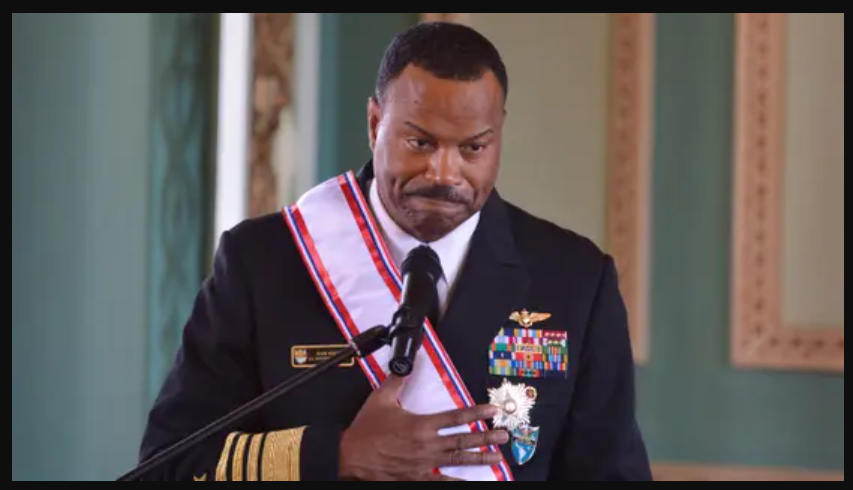

A senior U.S. military leader overseeing operations in Latin America stepped down two years early. His retirement came during a period of rising tensions with Venezuela and growing scrutiny over regional operations.
Admiral Alvin Holsey left his position as head of U.S. Southern Command after a long career. His departure followed months of speculation within defence circles. Officials privately noted increased pressure within the command structure.
Internal Pressures Reported Before Retirement
Several officials indicated that senior leadership grew frustrated with the command’s pace and planning. Discussions about replacing Holsey reportedly began weeks before his official announcement. However, he kept his tone positive and reflective at his ceremony.
During his farewell remarks, he highlighted the importance of supporting democratic partners. He urged continued focus on values such as human rights and the rule of law.
Debate Emerges Over Recent U.S. Operations
There has been quiet debate inside Washington about recent U.S. strikes on suspected drug vessels. Some insiders speculated that Holsey may have disagreed with certain operational approaches. However, he denied any link between the strikes and his decision when speaking to lawmakers.
The operations remain controversial because of strict rules governing conflict situations. These rules prohibit targeting individuals who are incapacitated or unable to resist. Analysts have stressed that such limits are essential to lawful military conduct.
Leadership Transition Underway at Southern Command
Holsey handed over command to his deputy, Lieutenant General Evan Pettus. Pettus will lead the command in an acting capacity. Senior defence figures praised Holsey’s service and leadership during the ceremony.
Reports suggest that Lieutenant General Frank Donovan is being considered as the next commander. The decision, however, still awaits formal approval.
Broader Military Shake-ups Continue
Holsey’s departure adds to a list of senior officers who have exited under the current Pentagon leadership. Some of these exits occurred suddenly and reflected shifting strategic preferences.
The administration has also signalled a stronger focus on the Western Hemisphere. A recent policy document called for a renewed emphasis on regional influence. The deployment of new assets in the Caribbean has further demonstrated this shift.
Geopolitical Stakes Rise as U.S. Increases Pressure
Tensions with Venezuela continue to rise. The United States accuses the country’s leadership of links to drug trafficking. Venezuela denies all accusations and argues that Washington aims to undermine its sovereignty.
Recent maritime seizures show a growing enforcement campaign linked to U.S. sanctions. These operations mark an intensifying phase of regional engagement.
