

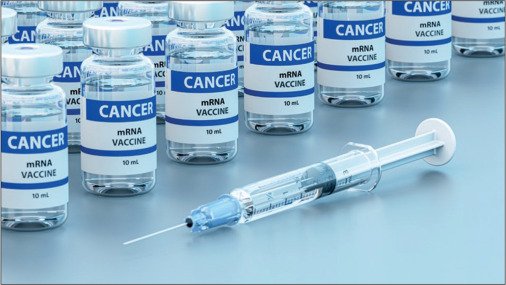

A New Era in Medicine: Vaccine Targets All Cancers Using mRNA Technology
In what could be a groundbreaking medical advancement, scientists have officially begun human trials for a universal cancer vaccine — a single, mRNA-based solution designed to combat all types of cancer in every person. Developed using the same messenger RNA (mRNA) platform that revolutionized COVID-19 vaccines, this new approach aims to train the body’s immune system to detect and eliminate cancer cells across the board.
Rather than being tailored to a specific type of cancer, such as breast or lung, this universal vaccine targets common genetic mutations and markers found in all tumors. That means it could potentially offer protection or treatment against a wide range of cancers, including skin, colon, ovarian, pancreatic, and even rare or aggressive forms that have long evaded conventional therapies.
Pre-clinical trials on animals and cancer models have already demonstrated strong immune responses and significant tumor reduction. With this success, researchers are now testing the vaccine in human volunteers to assess its safety, tolerability, and early signs of effectiveness. The trials are expected to lay the foundation for what many hope will become a universal weapon in the global battle against cancer.
From Treatment to Prevention: A Shift in Strategy Against a Global Killer
Unlike chemotherapy and radiation, which work by destroying cancer cells — often harming healthy cells in the process — the universal vaccine is designed to stimulate the body’s natural defenses. It represents a shift in cancer care from reactive treatment to proactive prevention and immune empowerment.
If the human trials confirm the early promise seen in lab tests, the universal cancer vaccine could transform cancer into a manageable or even preventable condition. This would be one of the most significant medical milestones of the century, offering hope to millions of patients and families affected by cancer worldwide.
Scientists and health experts around the globe are closely monitoring the progress of this research, which not only brings renewed optimism but also redefines what might be possible in the realm of modern medicine.
