


Diplomatic Prospects Dim Amid Renewed Confrontation
Israel launched a pre-emptive attack against Iran on Saturday, igniting a new wave of military confrontation in the Middle East. The strike comes amid long-standing concerns over Tehran’s nuclear program and ballistic missile development, further dimming hopes for a diplomatic resolution.
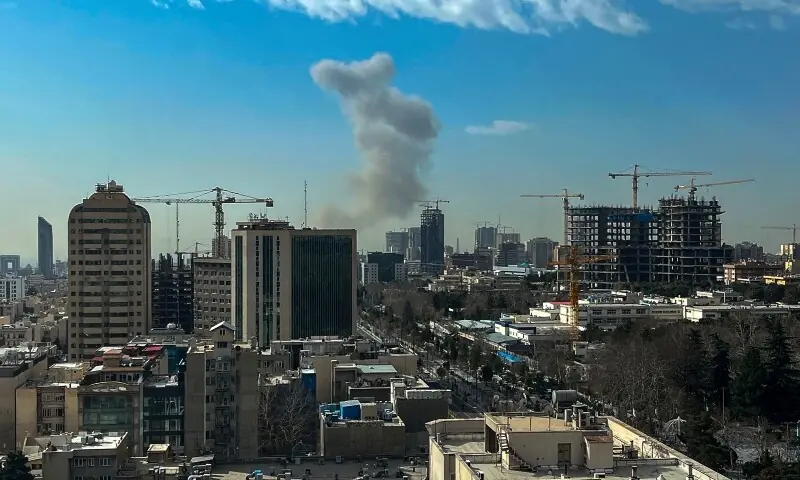
According to Iranian media, explosions were heard in Tehran, where AFP journalists reported two loud blasts and plumes of thick smoke over the city’s center and eastern districts. The Fars news agency suggested the blasts were consistent with a missile attack, though no further details were immediately available. Iranian authorities confirmed that Supreme Leader Khamenei had been moved to a secure location.
Israeli Defence Minister Israel Katz said the operation aimed to eliminate threats to Israel, emphasizing that it had been planned for months in coordination with Washington. The New York Times, citing a U.S. official, reported that American forces conducted concurrent strikes, highlighting close U.S.-Israeli operational cooperation. The attack follows the 12-day air war in June and repeated warnings from both Washington and Jerusalem that military action would continue if Iran advanced its nuclear and missile programs.
Following the strike, Israel closed its airspace to civilian flights, and local authorities activated emergency protocols. Analysts warn that Tehran could retaliate against Israeli or American targets in the region, heightening the risk of a broader conflict.
Diplomatic efforts have continued since February, with the U.S. and Iran negotiating to curb nuclear activities while lifting sanctions. Israel has insisted that any deal must dismantle Iran’s nuclear infrastructure and restrict its missile program. Meanwhile, Iran maintains its willingness to discuss nuclear curbs but rejects linking the issue to missiles, asserting it will defend itself against attacks and warning U.S. forces in neighboring countries of possible retaliation.
