

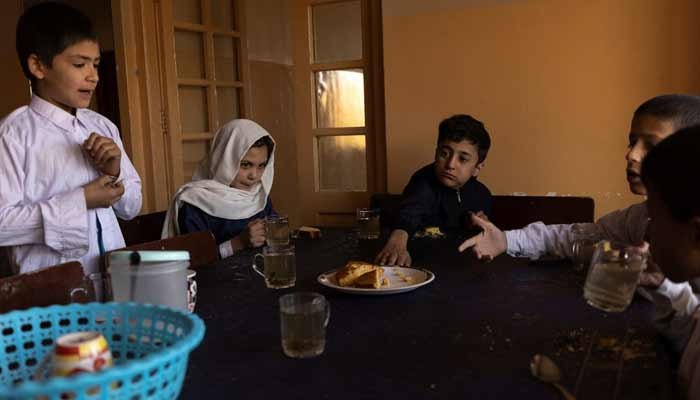

More than 17 million people in Afghanistan are now facing acute food insecurity this winter, marking a sharp increase from last year, the United Nations warned on Tuesday, as worsening economic and environmental pressures deepen the country’s humanitarian crisis.
Jean-Martin Bauer, director of food security and nutrition analysis at the UN World Food Programme (WFP), said the situation is deteriorating rapidly as Afghanistan enters the harsh winter months, a period when food needs are typically at their highest. He noted that the number of people struggling with acute food insecurity has risen by nearly three million compared to last year.
In addition to widespread hunger, Afghanistan is grappling with alarming levels of child malnutrition. According to the WFP, almost four million children are currently suffering from acute malnutrition, placing them at heightened risk of illness and long-term developmental harm.
Bauer attributed the worsening conditions to a combination of factors, including prolonged droughts that have devastated crops and livestock, recent earthquakes that have pushed thousands of families deeper into poverty, and significant reductions in international aid.
These challenges have been compounded by the return of more than 2.5 million Afghans from Iran and Pakistan this year, adding further strain to already scarce resources and fragile infrastructure.
The WFP expects a similar wave of returnees in 2026, which could further intensify pressure on food systems and humanitarian services. Despite the growing needs, the organisation currently has access to only 12 percent of the funding required to sustain its operations in the country.
Due to financial shortfalls, the WFP has been unable to carry out standard winter preparedness measures, such as pre-positioning food supplies in vulnerable and hard-to-reach areas. Bauer warned that without immediate donor support, millions could face the most severe consequences of hunger in the coming months.
He urged the international community to act swiftly, stressing that the WFP requires $570 million over the next six months to provide essential food assistance to approximately six million people.
Bauer emphasised the importance of keeping Afghanistan in global focus, warning that the country remains among the most vulnerable humanitarian settings in the world.
