


The United Nations has expressed concern over the failure of recent Pakistan-Afghanistan talks in Istanbul to produce an agreement, emphasizing the importance of avoiding a resumption of hostilities.
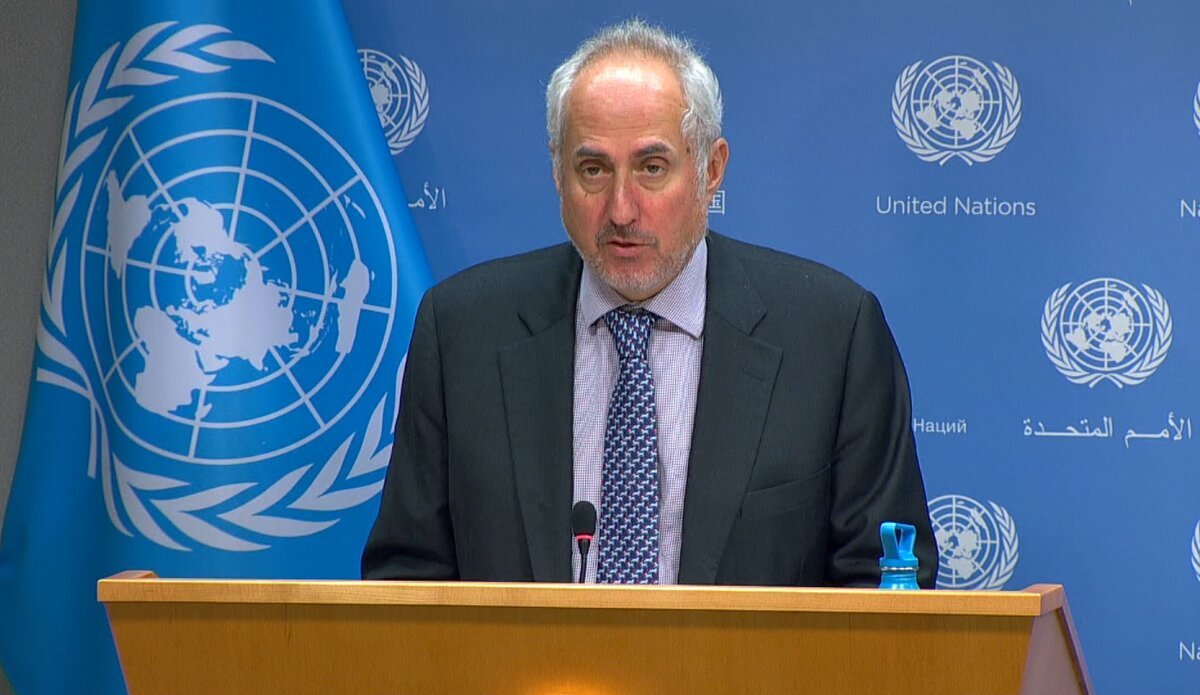
UN spokesperson Stephane Dujarric confirmed the organization’s worry during a briefing at UN Headquarters in New York, stating, “We very much hope that even if the talks are on pause, the fighting will not renew.”
The Istanbul negotiations followed an earlier round in Doha, which had led to a ceasefire on October 19 after deadly border clashes between the two neighboring countries.
While the ceasefire reportedly held immediately after the talks collapsed, the core issue preventing a resolution remains Pakistan’s demand that the Afghan Taliban take concrete action against the Tehrik-e-Taliban Pakistan (TTP), which has used Afghan territory to carry out attacks inside Pakistan.
Pakistan’s Information Minister Attaullah Tarar confirmed on social media platform X that the dialogue “failed to bring about any workable solution,” despite the mediation efforts by Qatar and Turkey. He emphasized that Pakistan has repeatedly asked the Afghan Taliban regime to fulfill commitments made under the Doha Agreement, but these efforts have been met with indifference.
Tarar criticized the Taliban regime for showing no responsibility toward the Afghan people while benefiting from what he described as a “war economy.” He added that the regime appears willing to involve the Afghan population in a protracted conflict, despite Pakistan’s repeated efforts to pursue peace and stability in the region.
Highlighting Pakistan’s persistence, Tarar noted that countless rounds of dialogue over the past four years had failed to yield results, leading to significant losses of men and material.
He stressed that Pakistan’s patience has now run out, pointing to the urgent need for accountability and action from the Afghan Taliban.
While the UN continues to advocate for restraint and hopes the ceasefire remains intact, the failure of the talks underscores the fragility of the peace process and the ongoing challenges in securing a durable resolution between Pakistan and the Afghan Taliban.
