

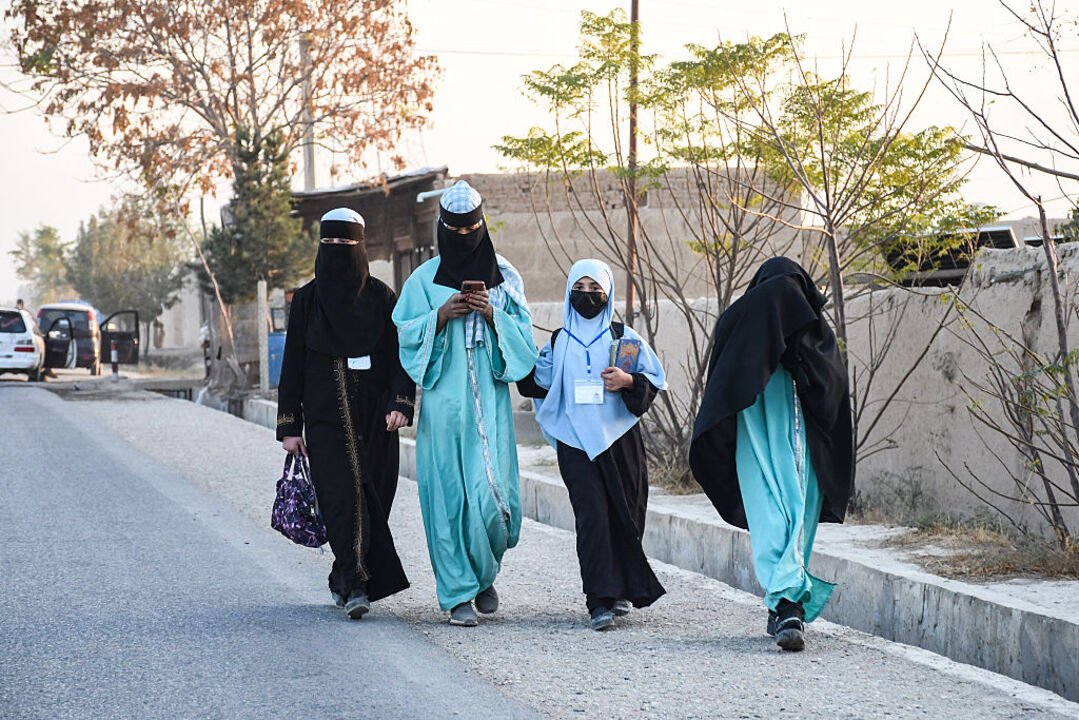

The United Nations has called on Taliban authorities to lift the ban on Afghan women working in its offices, warning that the restrictions jeopardize the delivery of “life-saving services.” Since regaining power in 2021, the Taliban have prohibited Afghan women from performing most jobs, attending school beyond age 12, and accessing public spaces such as parks and beauty salons.
In September, the Taliban extended these restrictions to UN staff, barring women from entering offices. Susan Ferguson, the UN special representative for women in Afghanistan, issued a statement urging the reversal of the ban and calling for safe access to offices and field assignments.
“The longer these restrictions remain in place, the greater the risk to these life-saving services,” Ferguson said, emphasizing that the ban violates the UN’s principles of human rights and equality.
While the UN did not specify the exact number of staff affected, sources indicated that several hundred women were impacted. For the past three months, female staff have been working remotely, continuing to provide critical assistance to victims of deadly earthquakes and Afghan migrants deported from Pakistan and Iran.
Ferguson described the work of these women as “indispensable,” noting that their presence ensures aid reaches women and girls safely and in culturally appropriate ways.
The Taliban authorities did not immediately respond to requests for comment on the issue.
The restrictions have already had tangible consequences. In September, the UN Refugee Agency suspended cash aid to returned Afghan migrants because interviews and data collection were impossible for more than half of the returnees, who were women.
Ferguson stressed that lifting the ban is crucial not only for ensuring gender equality but also for maintaining the effectiveness of humanitarian operations across Afghanistan.
The UN continues to advocate for the safe participation of women in its offices, highlighting the essential role female staff play in delivering aid and support to vulnerable populations in the country.
