

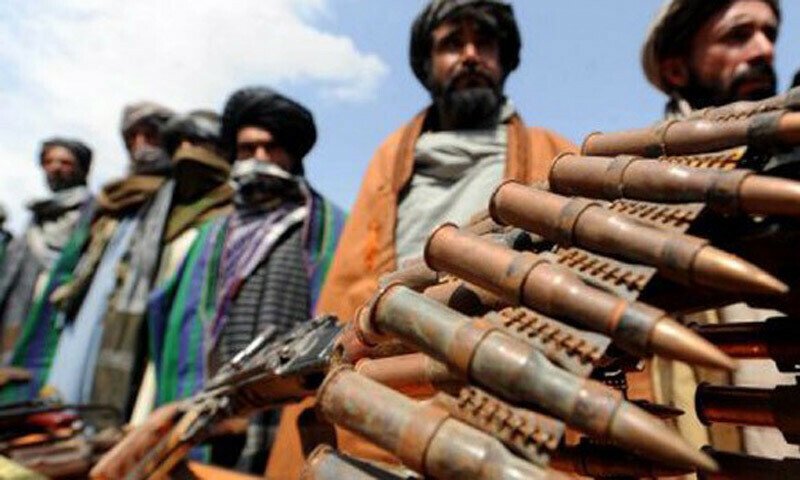

The UN Security Council on Thursday unanimously adopted a resolution extending by one year the mandate of the Monitoring Team that supports the 1988 Afghanistan Sanctions Committee, which oversees sanctions imposed on the Taliban.
All 15 council members voted in favour of the US-drafted text, renewing the Monitoring Team’s mandate until February 17, 2027. The extension comes as international concern grows over Afghanistan’s worsening security situation, the expanding influence of terrorist groups, and the risk of wider regional destabilisation.
Pakistan supported the resolution and highlighted the continued threat posed by Tehreek-i-Taliban Pakistan (TTP), the Baloch Liberation Army (BLA), ISIL-Khorasan (ISIL-K), the Majeed Brigade, and Al-Qaeda.
Pakistan’s Permanent Representative to the UN, Ambassador Asim Iftikhar Ahmad, said these groups have carried out some of the most brutal attacks against Pakistan, citing incidents that killed 80 people this month alone. He said Afghan territory was again used to plan and orchestrate attacks against neighbouring states and urged the Taliban to prevent such activity.
Monitoring Team Report Flags ‘Permissive Environment’ for Militants
Ambassador Ahmad said the Taliban must choose between isolation and a path toward peace and prosperity as a responsible member of the international community. He also stressed the Security Council’s concern over Afghanistan’s humanitarian crisis, including human rights violations, restrictions on women and girls, economic collapse, political exclusion, and drug trafficking.
The UN Monitoring Team’s 37th report, released this week, described Afghanistan as a base for multiple terrorist organisations. It stated that de facto Afghan authorities continue to provide a “permissive environment” for groups, particularly the TTP, and warned of rising cross-border attacks, radicalisation, and militant use of satellite communications and artificial intelligence.
While Afghan authorities deny terrorist groups operate inside the country, the Monitoring Team said no UN member state supported that assessment. The report added that although the Taliban have acted against ISIL-K, TTP has enjoyed greater freedom, driving an escalation of attacks against Pakistan.
The report also warned that Al-Qaeda’s intent and capability for external operations remain unchanged, while groups such as ETIM/TIP and BLA continue to pose serious regional security risks.
