

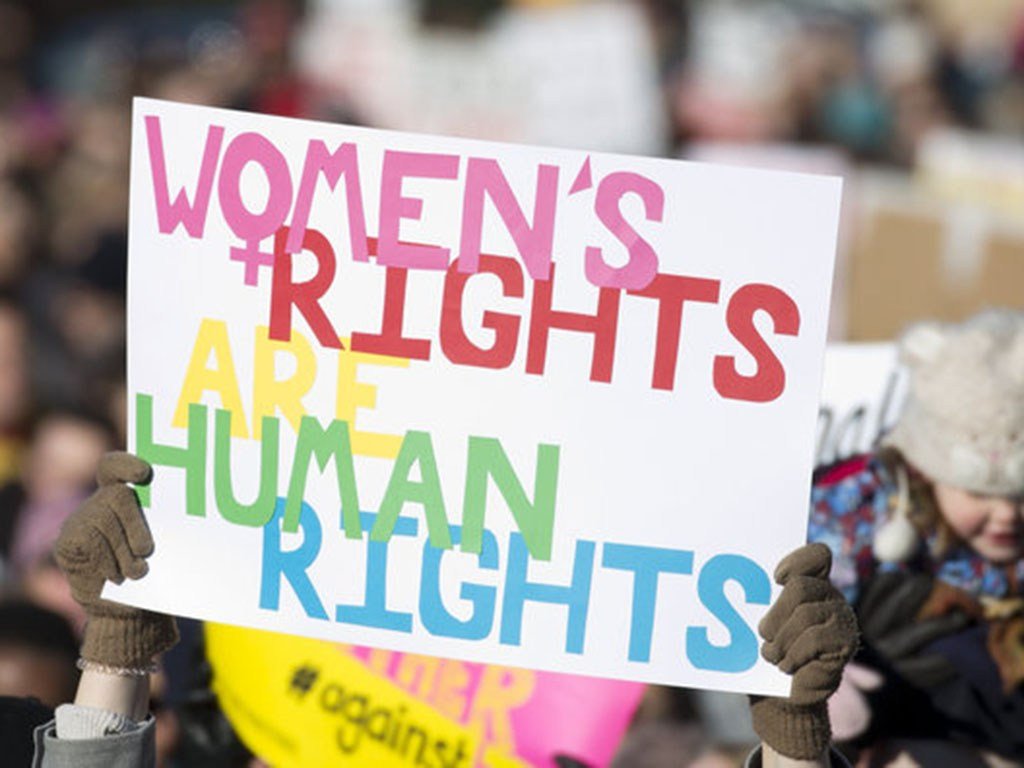

Women’s Rights
ISLAMABAD: In the lead-up to International Women’s Day, two United Nations reports have sounded the alarm over increasing and unprecedented threats to the rights of women and girls worldwide. These reports highlight a surge in discrimination, weakening legal protections, and declining funding for initiatives that support and empower women, painting a concerning picture of gender equality efforts.
The first report, Girl Goals: What has changed for girls? Adolescent girls’ rights over 30 years, was jointly released by UNICEF, Plan International, and UN Women. It evaluates the progress made in adolescent girls’ lives since the adoption of the 1995 Beijing Declaration and Platform for Action.
According to the findings, global child marriage rates have declined, adolescent pregnancy has decreased in many regions, and more girls are in school than ever before. However, the report warns that progress has been uneven and remains fragile.
Girls in conflict zones, marginalized communities, and poverty-stricken areas continue to face severe obstacles in accessing education, healthcare, and economic opportunities. The climate crisis and the COVID-19 pandemic have further deepened these inequalities, leading to increased school dropout rates and greater vulnerability to gender-based violence. Additionally, while digital technology has opened up new opportunities, it has also introduced risks such as online harassment and exploitation.
Alarming statistics from the report reveal that nearly one in four adolescent girls who have been married or partnered have experienced intimate partner violence. Furthermore, 50 million girls alive today have been subjected to sexual violence. Worryingly, societal attitudes towards gender-based violence remain a significant barrier to progress—more than a third of adolescents aged 15-19 globally believe that a husband is justified in hitting his wife under certain circumstances.
Despite these challenges, the report’s authors remain committed to advancing gender equality. Kathleen Sherwin of Plan International emphasized that while there have been significant achievements, progress is still fragile and must be protected.
“Too many girls continue to face discrimination and abuse every day, simply for being young and female,” she said, urging continued efforts to empower girls worldwide. UN Women Executive Director Sima Bahous echoed this sentiment, stating, “We have come a long way, but we have miles to go before every girl’s potential is recognized and protected.”
Backlash on Women’s Rights
A second report from UN Women, Women’s Rights in Review 30 Years After Beijing, highlights an alarming backlash against gender equality. It attributes this regression to rising insecurity, political crises, and the erosion of democratic institutions worldwide. The report states that nearly three-quarters of the world’s population now lives under autocratic rule, which has led to a rollback in women’s rights and freedoms. Additionally, more than 600 million women and girls lived in conflict-affected regions in 2022.
Despite some progress in female political leadership, the numbers remain disheartening—only 87 countries have ever had a woman as head of state or government. Moreover, a woman or girl is killed every 10 minutes by a partner or family member. The rise of artificial intelligence and digital technology has also contributed to harmful gender stereotypes, while the digital gender gap continues to limit women’s opportunities.
Over the past decade, the number of women and girls living in conflict zones has surged by 50%, and women’s rights activists face increasing harassment, threats, and violence, including assassination. In response, the Beijing+30 Action Agenda advocates six key measures to address these challenges: ensuring a digital revolution for all women and girls, eliminating poverty, eradicating gender-based violence, achieving full and equal decision-making power, promoting peace and security, and securing climate justice.
PM’s Message on Women’s Rights
In Pakistan, Prime Minister Shehbaz Sharif acknowledged that the country still has a long way to go in achieving true gender equality. In his message on International Women’s Day, he stressed that empowering women is no longer a choice but a necessity for national progress.
“Empowering women is no longer an option; it is now an imperative for the prosperity and progress of Pakistan,” he stated. “When we invest in women’s education, health, and economic independence, we uplift not just individuals but generations.”
The Prime Minister called for renewed commitment to upholding women’s rights and ensuring that every woman in Pakistan has the opportunity to reach her full potential. He emphasized the importance of collective efforts to build a society where every daughter’s dreams are within reach.
As the global community reflects on 30 years since the Beijing Declaration, these reports serve as a stark reminder that while progress has been made, significant challenges remain. The fight for gender equality must continue, with stronger policies, increased investments, and unwavering commitment from governments and civil society alike.
