

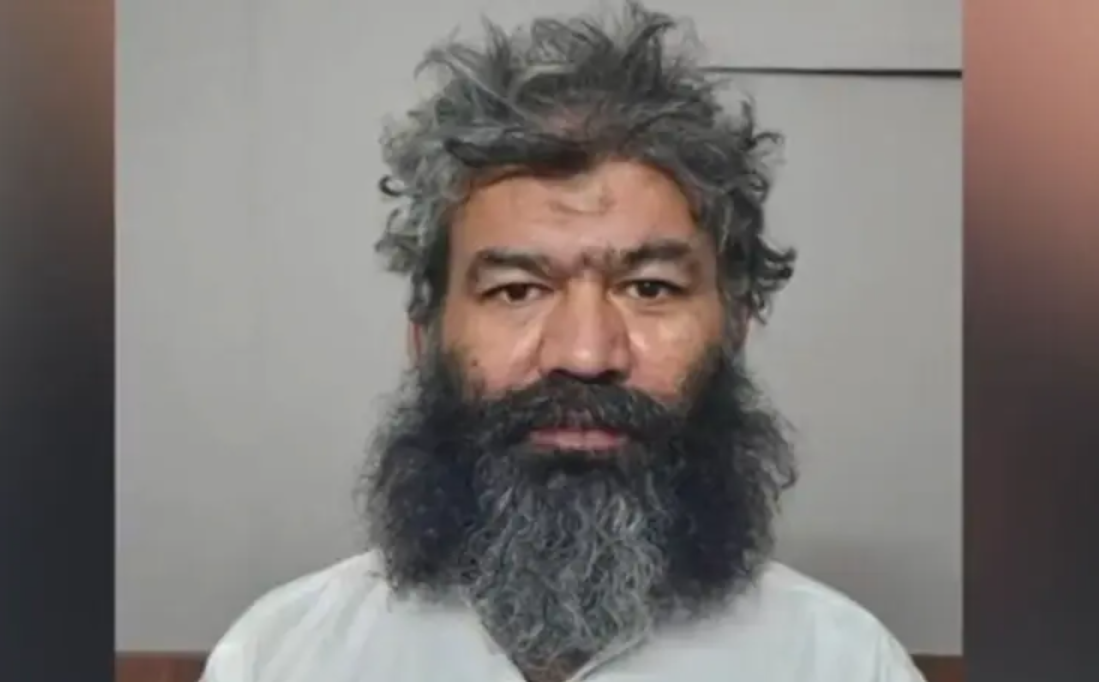

A United Nations report has confirmed the arrest of Islamic State Khorasan Province spokesperson Sultan Aziz Azzam by Pakistani authorities.
The arrest took place earlier this year during a security operation near the Pakistan-Afghanistan border. The disclosure appears in the UN Security Council’s 16th report on terrorist threats. Officials described the arrest as a significant development in regional counterterrorism efforts.
IS-K operates mainly in Central and South Asia. The group remains responsible for several high-profile attacks across the region. According to the UN, Pakistan’s actions have reduced IS-K’s operational reach.
Impact on IS-K Operations
The UN report states that IS-K capabilities have weakened following multiple arrests. Azzam’s detention caused serious disruption to the group’s propaganda networks. Militant media platforms reportedly lost operational momentum after his capture.
The report highlights reduced cross-border movement by IS-K fighters. It also notes a decline in recruitment and attack planning. Several planned attacks were disrupted due to intelligence-led operations.
However, the UN expressed concern about militant activity inside Afghanistan. The report said claims denying militant presence lack credibility. It warned that multiple groups still operate with varying freedom.
Profile of Sultan Aziz Azzam
Sultan Aziz Azzam served as IS-K spokesperson since the group’s emergence in 2015. Security analysts describe him as a senior ideologue and media strategist. He reportedly managed IS-K’s media arm, Al-Azaim.
Azzam was born in Afghanistan’s Nangarhar province. Before joining IS-K, he worked as a journalist and radio broadcaster. He also authored books and poetry promoting militant narratives.
Investigators link him to recruitment campaigns and propaganda distribution. Authorities credit him with inspiring several violent attacks.
Pakistan’s Counterterrorism Track Record
Pakistan has intensified operations against IS-K over recent years. Security agencies have arrested or neutralised multiple senior militants. International partners have acknowledged these counterterrorism efforts.
Earlier this year, Pakistan detained a suspect linked to the Kabul airport bombing. In November, security forces killed a key IS-K commander in Khyber Pakhtunkhwa. Officials said intelligence-led raids prevented further attacks.
The UN report concludes that Pakistan’s actions weakened IS-K’s regional structure. However, it urges continued vigilance against evolving militant threats.
