


ISLAMABAD: In a joint statement issued on Saturday, the United Nations High Commissioner for Refugees (UNHCR), along with the UN Refugee Agency and the International Organization for Migration, urged Pakistan to uphold the protection of “vulnerable Afghans” in their search for safety. They emphasized that these individuals may face immediate dangers, if forcibly sent back.
UN’s humanitarian agencies, responding to Pakistan’s ultimatum, are urging illegal migrants to leave its territory by November 1 or face eviction.
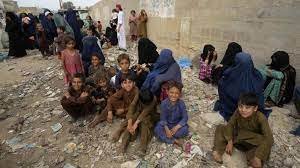
Currently, Islamabad is expediting the repatriation of illegal Afghan nationals, while the Foreign Office reiterated its unchanged policy on Afghan refugees, stressing that they continue to host 1.4 million Afghan refugees despite resource constraints and economic challenges. They believe that with Afghanistan stabilizing, it’s an opportune time to enhance international efforts for the voluntary and dignified repatriation of Afghan refugees.
In their statement, the UN agencies pointed out the severe humanitarian crisis in Afghanistan, particularly affecting women and girls, with significant human rights challenges.
“Such plans would have serious implications for all who have been forced to leave the country and may face serious protection risks upon return,” it added.
The agencies acknowledged Pakistan’s sovereignty over domestic policies and its responsibility to manage populations on its territory while ensuring public safety and security.
UNHCR and IOM, having a strong collaboration with the Government of Pakistan, stand ready to provide support in developing a comprehensive and sustainable mechanism for the registration and management of Afghan nationals, including those requiring international protection.
The agencies praised Pakistan’s hospitality toward Afghan nationals for over four decades, emphasizing the importance of voluntary, safe, and dignified returns without pressure to ensure the protection of those seeking safety.
However, they expressed concerns about forced repatriation, emphasizing the potential for severe human rights violations, such as family separation and the deportation of minors.
