

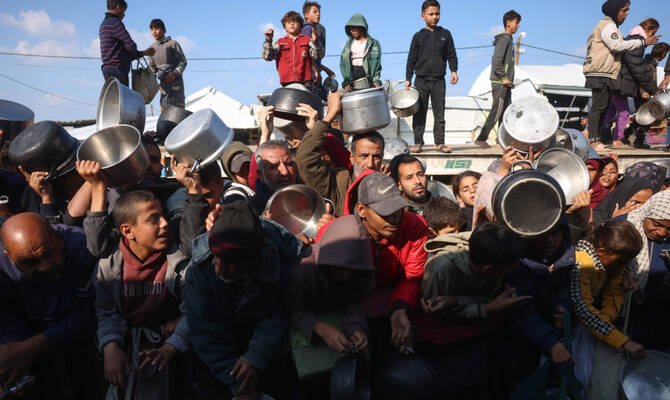

The United Nations and aid groups warned on Wednesday that humanitarian operations in Gaza risk collapse if Israel does not lift obstacles, including a “vague, arbitrary, and highly politicised” registration process.
Over 200 local and international aid organizations highlighted that dozens of international aid groups face de-registration by December 31, forcing them to cease operations within 60 days if unresolved.
The joint statement emphasized that deregistration of international NGOs (INGOs) would have catastrophic consequences for access to essential services.
INGOs operate or support most field hospitals, primary healthcare centres, emergency shelters, water and sanitation facilities, nutrition centres for children with acute malnutrition, and mine action activities. Losing these services would severely impact millions of vulnerable Palestinians.
While some aid groups have successfully registered under the new system introduced in March, ongoing re-registration and other arbitrary obstacles have left millions of dollars’ worth of essential supplies—including food, medicine, hygiene kits, and shelter materials—stuck outside Gaza, unable to reach those in urgent need.
The UN and aid groups stressed that humanitarian operations cannot be replaced by alternative actors outside established humanitarian principles, warning that the collapse of INGOs’ operations would create an unprecedented crisis. They emphasized that humanitarian access is neither optional nor political and must be allowed to reach Palestinians without further delay.
The warning comes amid a fragile ceasefire following the first phase of US President Donald Trump’s Gaza plan, which began on October 10 after hostages were released and detained Palestinians were freed. Despite some aid entering the enclave, Hamas reports that fewer aid trucks than agreed are being allowed in. Israel maintains that it is complying with obligations under the truce.
The UN and aid groups urged immediate action to ensure essential supplies reach Gaza, stressing that delays in humanitarian access would exacerbate suffering in a region already facing famine and critical shortages.
