

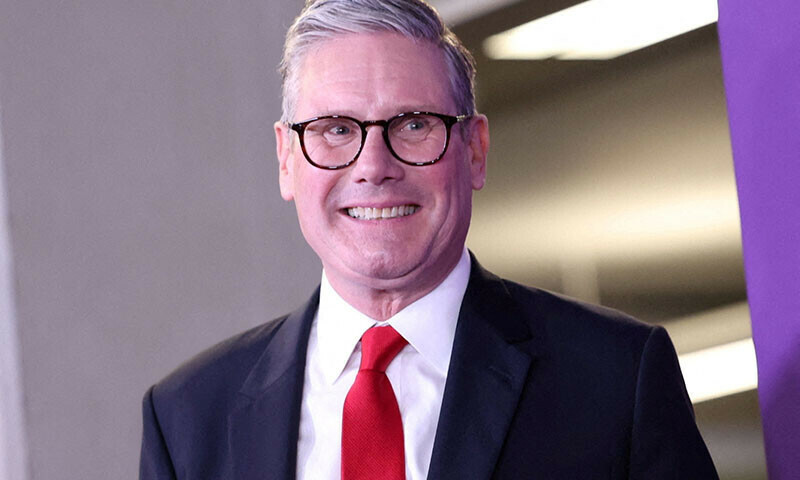

The United Kingdom is preparing to formally recognize a Palestinian state, with Prime Minister Keir Starmer expected to announce the decision during a Sunday statement. This move marks one of the most significant changes in Britain’s Middle East policy in decades.
UK Policy Shift on Palestine
In July, the prime minister stated that recognition would follow if Israel failed to meet several conditions. These included agreeing to a ceasefire in Gaza, halting settlement expansion, and committing to a peace process that envisioned a two-state solution.
Israel, however, has rejected such conditions since the conflict began in October 2023. That war erupted after a Hamas-led attack killed more than 1,200 Israelis and saw 251 people taken hostage.
Criticism From Israel and Allies
The Israeli government has condemned the UK’s decision, warning that recognition rewards terrorism. Families of hostages held in Gaza also voiced anger, saying the move undermines efforts to secure the release of the remaining captives. Critics within Britain, including opposition leaders, have echoed these concerns.
Meanwhile, Israeli Prime Minister Benjamin Netanyahu insisted that recognition of a Palestinian state legitimizes terror. The Chief Rabbi of Britain also urged the government to reconsider, warning that recognition was not tied to Palestinian governance reforms, peace commitments, or the release of hostages.
Arguments Supporting Recognition
Supporters of the move argue that recognition reflects moral responsibility and keeps hopes for peace alive. Officials say conditions in Gaza have deteriorated drastically, with widespread displacement, starvation, and rising civilian deaths. A United Nations inquiry recently accused Israel of genocide, though Israel strongly denied the charge.
Justice Secretary David Lammy highlighted Israeli settlement growth in the West Bank, calling projects like E1 a threat to a viable Palestinian state. Violence by settlers has further fueled tensions. Ministers argue that these realities leave recognition as the only credible step toward safeguarding the two-state solution.
Palestinian Authority Response
Palestinian President Mahmoud Abbas welcomed the recognition pledge during a recent visit to London. He and Prime Minister Starmer agreed that Hamas should play no role in the governance of a future Palestinian state.
The recognition is widely viewed as symbolic, given Palestine’s lack of agreed borders, military control, or full sovereignty. However, it carries strong political weight and increases international pressure on Israel. Currently, around 75% of UN member states recognize Palestine, though key powers like the US have not.
Growing International Momentum
Several European countries, including Spain, Ireland, and Norway, recognized Palestine in 2024. Others such as France, Canada, Portugal, and Australia have indicated they will soon follow. Britain’s decision is expected to amplify global momentum in favor of Palestinian statehood.
Domestic and International Politics
Within the UK, the Labour Party has long advocated recognition. Over half of Labour MPs recently signed a letter urging immediate action. Starmer faced rising pressure from his party’s left wing to take a tougher stance on Israel.
Internationally, US President Donald Trump has voiced opposition, stating recognition would complicate hostage negotiations. Families of hostages echoed this concern in an open letter, claiming Hamas celebrated the UK’s decision and backed out of ceasefire talks.
Despite these objections, British officials insist their calls for a ceasefire and the release of hostages remain unchanged. They argue that Palestinian statehood is a fundamental right and cannot be dependent on Hamas, which Britain classifies as a terrorist group.
The UK’s recognition of a Palestinian state signals a historic change in its foreign policy. While symbolic, the decision strengthens international calls for a two-state solution and highlights growing divisions between Western allies on the path to peace in the Middle East.
