

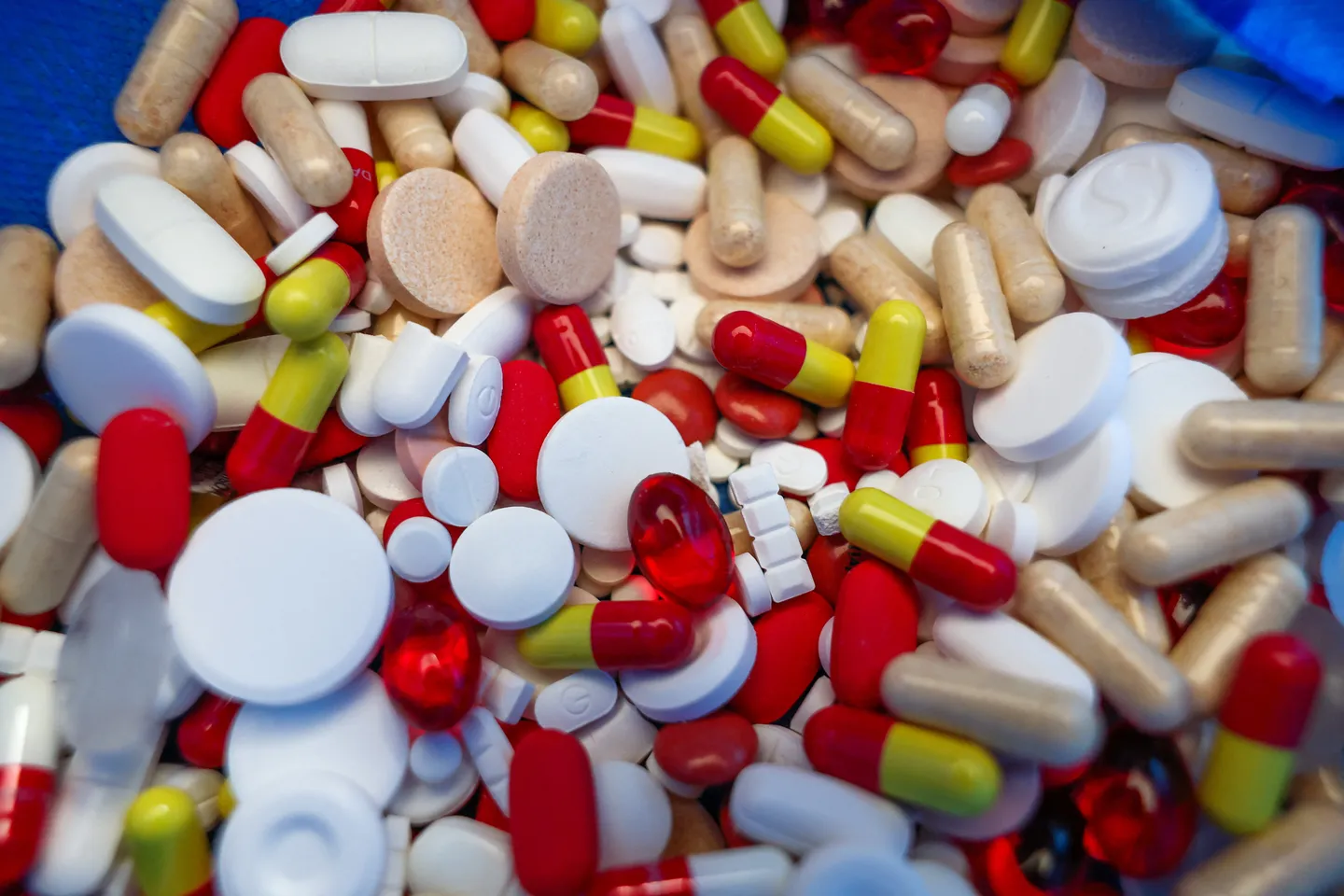

The United Kingdom has secured a deal guaranteeing zero tariffs on all UK medicines exported to the United States for three years. Officials from both governments announced the agreement on Monday after several rounds of negotiations. The United States agreed to exempt UK-origin pharmaceuticals, pharmaceutical ingredients, and medical technology from import taxes. The move protects a major sector of British exports and strengthens transatlantic cooperation on health innovation.
Commitments Linked to Increased Investment
US officials said the agreement requires UK drug firms to increase investment in the United States. They said the firms will create additional jobs through expanded research and manufacturing efforts. The Trump administration confirmed that the commitments formed a key part of the negotiations. British officials said the UK government will also boost domestic investment in new and effective treatments. They announced a planned 25 percent increase in spending on innovative medicines. This increase marks the first major rise in such funding in more than twenty years.
Tariff Dispute Eases Amid Rising Drug Costs
The agreement follows growing concern in the United States over soaring medication costs. A Rand Corporation study found Americans pay 2.5 times more for pharmaceuticals than patients in France. President Donald Trump had earlier announced tariffs of 100 percent on imported pharmaceuticals. However, the White House delayed the tariffs for three years after reaching agreements with Pfizer and AstraZeneca. Both companies committed to expand their US manufacturing capacity. The delay created space for broader negotiations with the United Kingdom.
UK Government Welcomes Breakthrough
British Science and Technology Secretary Liz Kendall welcomed the deal. She said it will help UK patients gain faster access to cutting-edge medicines. She added that the agreement will support life sciences companies as they continue to invest and innovate in the United Kingdom. Officials from both nations described the deal as a major step toward strengthening health cooperation. They said it underscores the importance of stable trade conditions for medical research and supply chains.
