
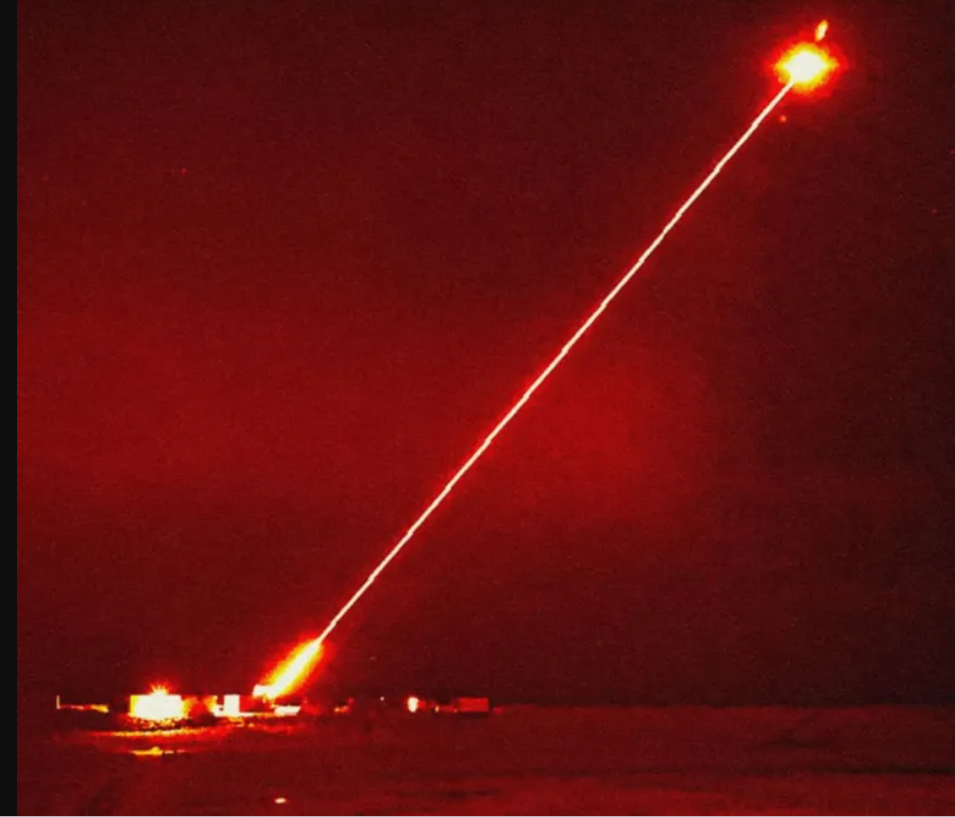

The United Kingdom is preparing to introduce advanced laser weapon systems aboard Royal Navy warships, marking a significant shift in naval defense technology. The new system aims to counter drones, small boats, and airborne threats at a dramatically lower operational cost.
Officials confirmed that deployment preparations are progressing, with operational rollout expected by 2027. The initiative reflects growing efforts to modernise defense systems while reducing reliance on expensive missile-based interception.
A Cost-Effective Alternative to Traditional Missiles
Modern naval operations face increasing threats from drones and low-cost aerial systems. Traditional missile defenses remain effective but extremely expensive to operate.
In contrast, the new laser weapon costs approximately £10 per shot. Missile interceptions, however, can cost hundreds of thousands of pounds per launch. Therefore, the laser system offers a financially sustainable solution for handling frequent or large-scale threats.
Because of this cost advantage, naval forces can respond to repeated attacks without quickly exhausting defense budgets.
How the Laser Weapon System Works
Unlike conventional weapons, the laser system uses concentrated energy beams to disable or destroy targets. The weapon focuses intense heat on drones or incoming projectiles, damaging critical components within seconds.
The system can continue firing as long as sufficient electrical power remains available onboard. Consequently, ships gain what defense planners describe as an “infinite magazine.”
This capability allows continuous engagement during prolonged attacks. However, the technology requires substantial onboard energy generation to operate effectively.
Initial Deployment on Royal Navy Destroyers
The first phase of deployment will equip at least two Royal Navy destroyers. Additional ships are expected to receive the technology during early expansion stages.
This gradual rollout enables engineers and operators to evaluate real-world performance before wider integration. Meanwhile, naval crews will receive specialised training to operate and maintain the system safely.
The introduction of laser weapons adds a non-kinetic layer to ship defenses. As a result, commanders can reserve traditional missiles for more complex or high-value threats.
Strengthening Layered Naval Defense
Defense analysts believe laser weapons will enhance layered defense strategies. Ships currently rely on multiple defensive systems, including radar tracking and missile interception.
The laser weapon complements these systems by addressing high-volume threats efficiently. For example, drones deployed in swarms can overwhelm traditional defenses due to limited missile inventories.
With laser technology, ships can engage multiple targets rapidly without worrying about ammunition depletion. Therefore, operational flexibility improves significantly during combat scenarios.
A Step Toward Future Warfare Technology
The adoption of directed-energy weapons signals a broader transformation in modern warfare. Militaries worldwide are exploring similar technologies to counter evolving threats.
Laser systems reduce logistical challenges associated with storing and transporting large quantities of ammunition. Additionally, they offer precision targeting with minimal collateral damage compared to explosive weapons.
Although energy requirements remain a technical challenge, continued advancements in power generation and cooling systems are making deployment increasingly practical.
Strategic Impact and Future Outlook
The upcoming deployment highlights the United Kingdom’s focus on innovation and defense efficiency. By combining affordability with advanced targeting capabilities, the laser weapon could reshape naval engagement strategies.
As drone warfare expands globally, cost-effective defensive tools are becoming essential rather than optional. Consequently, directed-energy weapons may soon become standard equipment across modern navies.
The Royal Navy’s adoption of this technology represents an important milestone in that transition.

