

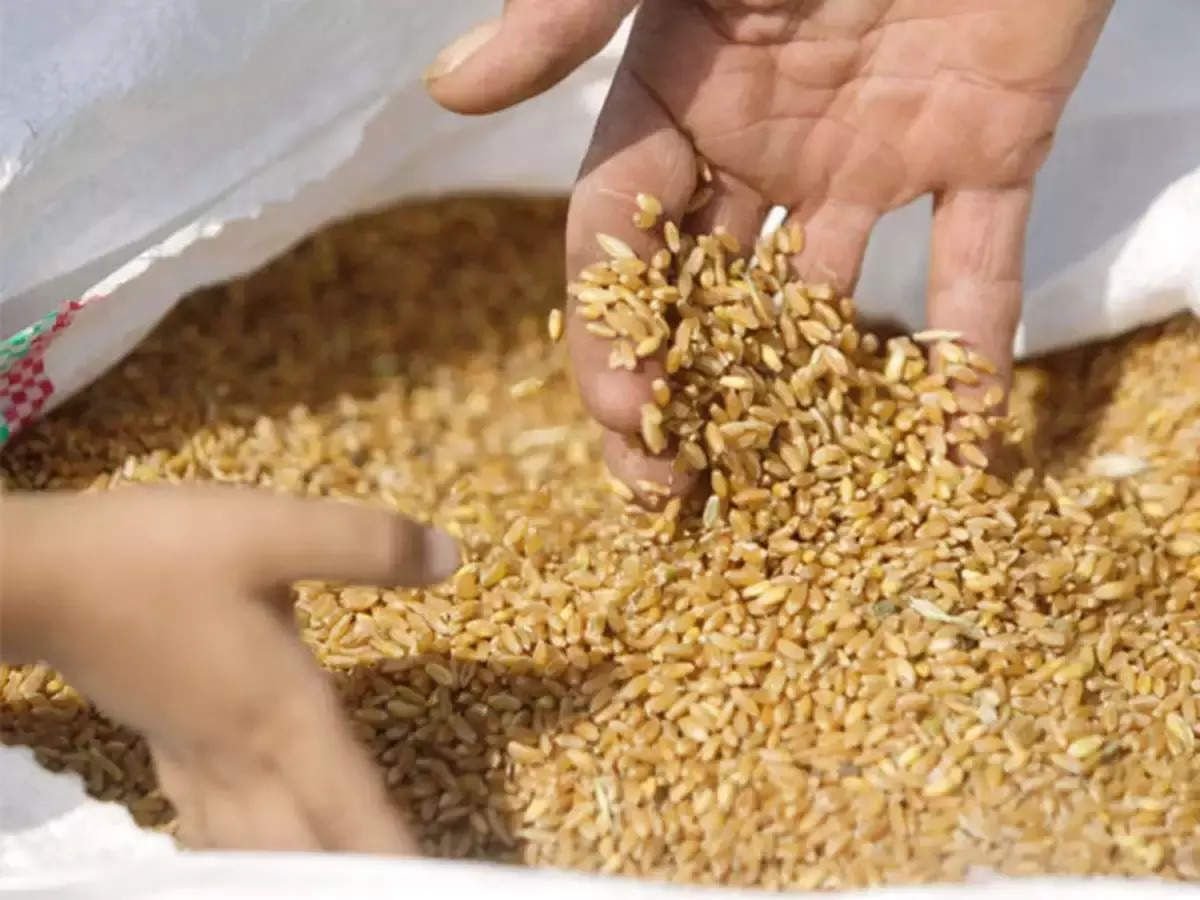

The UAE’s decision to ban the export and re-export of wheat and wheat flour originating from India will ensure sustainable supply and help stabilise prices of the commodity in the country.
Dr Dhananjay Datar, chairman and managing director of Al Adil Trading, said as a result of the export ban, the prices of wheat will definitely not go up and stabilise at the current levels in the country.
“The decision will benefit the consumers in the UAE. The prices will come down if there is more supply of wheat to the UAE. With the supply that already exists in the market, the price will remain stable,” he said.

Local wheat flour prices increased by up to 15 per cent after India imposed a ban on
Starting from May 13, 2022, the UAE’s Ministry of Economy imposed a moratorium on wheat and wheat flour originating from India for four months.
Importantly, stable wheat prices will also help producers to maintain the prices of products made from wheat including bread, cereal, flour, pasta and many other related food items.
Kamal Vachani, group director and partner of Al Maya Group, said the ministry’s decision will definitely benefit the UAE as there will be a sufficient supply of quality wheat for local consumption.
“There will be no shortage after the ban on export and re-export of wheat. The consumer will benefit because prices will not increase and the supply of the wheat will be maintained. The government is doing a great job in maintaining the quality and quantity of the commodities,” said Vachani.
Following the Comprehensive Economic Partnership Agreement (Cepa) signed between the UAE and India, New Delhi approved the export of wheat to the UAE for domestic consumption.
The UAE’s Ministry of Economy explained that the companies who want to export/re-export wheat and wheat flour varieties of Indian origin, which were imported before May 13, must seek permission to export the commodity.
