
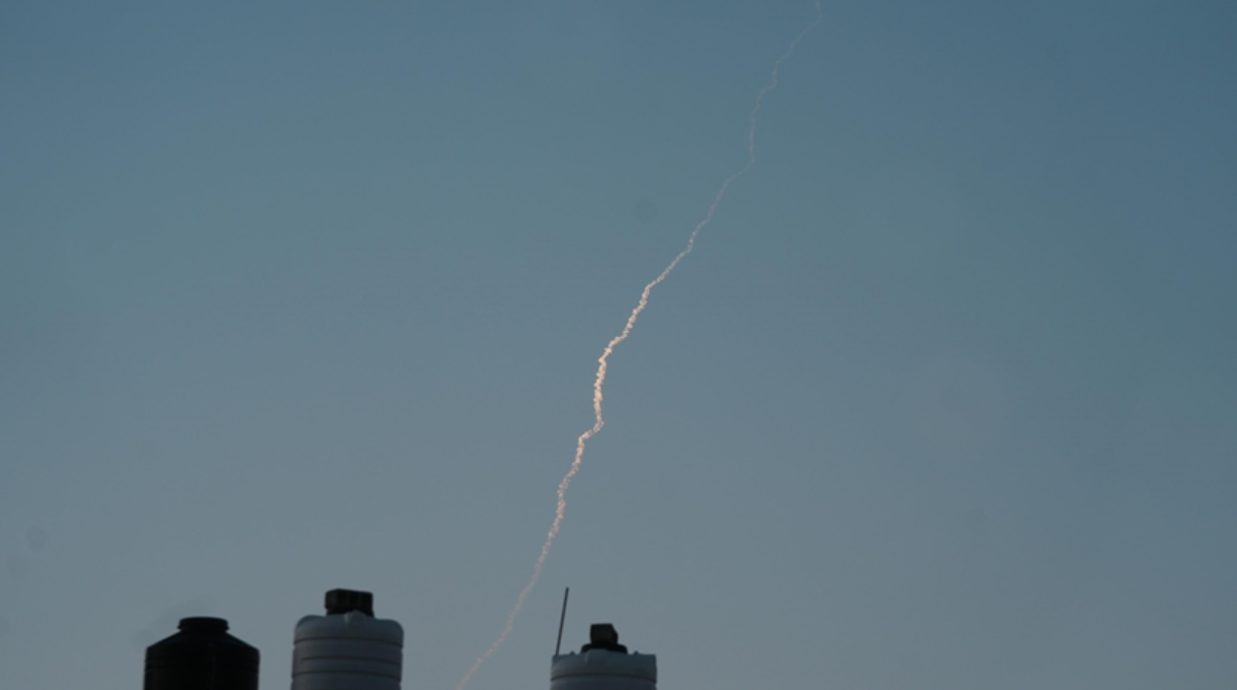

The United Arab Emirates has reported multiple missile and drone attacks despite a recently announced ceasefire involving Iran. Authorities say the incidents occurred after the truce officially came into effect.
According to an official statement from the UAE’s defence ministry, the country faced continued aerial threats targeting its territory. Officials described the attacks as serious violations that tested regional calm.
UAE Details Missile and Drone Incidents
The defence ministry stated that 17 ballistic missiles and 35 drones were launched toward the UAE since the ceasefire began. Air defence systems intercepted the incoming threats successfully.
Officials confirmed that defensive measures prevented damage and protected civilian areas. The ministry emphasized that security forces remained fully alert throughout the incidents.
Moreover, authorities said the response demonstrated the country’s preparedness against evolving aerial threats. Defence teams monitored the situation closely to ensure public safety.
Air Defences Respond Swiftly
Air defence units acted immediately after detecting incoming missiles and drones. Surveillance systems identified threats early, allowing rapid interception.
As a result, defence officials reported that all identified projectiles were neutralized before reaching intended targets. Emergency protocols were activated as a precautionary measure.
Meanwhile, authorities reassured residents that safety mechanisms functioned effectively. The government stressed that national security systems remain capable of handling complex challenges.
Ceasefire Faces Early Challenges
The reported attacks have raised questions about the stability of the ceasefire environment. Although the truce aimed to reduce tensions, security incidents continue to create uncertainty.
Observers note that ceasefires often face early testing periods. Therefore, continued monitoring remains essential to prevent escalation.
Furthermore, officials highlighted the importance of restraint and adherence to agreements. Maintaining calm requires cooperation and commitment from all parties involved.
Regional Security Concerns Persist
The developments underline ongoing security concerns across the region. Even during diplomatic pauses, military threats can persist.
Consequently, authorities are maintaining heightened vigilance across critical infrastructure and populated areas. Defence teams continue coordinating with relevant agencies to strengthen preparedness.
In addition, emergency response units remain on standby to address any unexpected developments quickly.
Public Safety Remains a Priority
Officials emphasized that protecting residents remains the government’s highest priority. Security agencies continue assessing risks while reinforcing defensive capabilities.
Residents have been encouraged to follow official updates and avoid spreading unverified information. Clear communication, authorities say, helps maintain public confidence during sensitive periods.
Overall, the situation reflects the fragile nature of ceasefire arrangements in complex regional environments. While diplomatic efforts aim to reduce tensions, security forces remain prepared for any emerging threat.

