

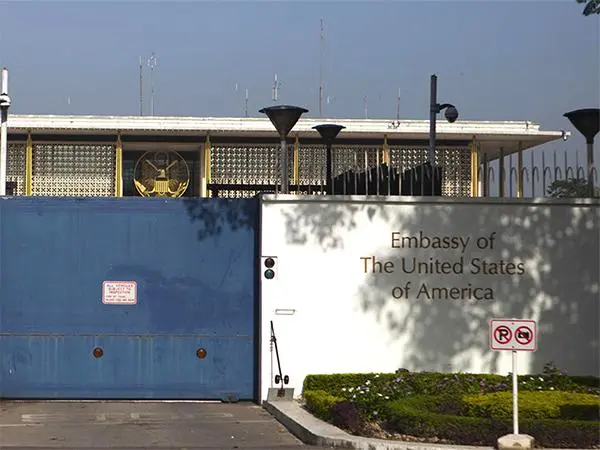

The United States has revoked and denied visas for several Indian business executives over alleged links to the trafficking of fentanyl precursor chemicals, the U.S. Embassy in New Delhi confirmed in a statement on Thursday. Though the embassy did not disclose names, it stated that the individuals affected are Indian nationals with connections to businesses involved in the supply chain of fentanyl’s base ingredients.
Fentanyl, a synthetic opioid, has become one of the leading causes of overdose deaths in the United States. While the drug itself is often illicitly manufactured in other countries, its precursor chemicals are frequently traded globally. The U.S. has long expressed concern about the transnational movement of these substances and their role in fueling its domestic opioid crisis.
Washington Tightens Scrutiny Amid Global Drug Crackdown
This move comes as part of a broader U.S. effort to clamp down on international networks involved in the fentanyl trade. The embassy acknowledged that the Indian government has been cooperating closely with U.S. authorities to address drug trafficking concerns. “We appreciate the Government of India’s ongoing partnership in combatting illicit drug flows,” the statement read.
However, India’s Ministry of External Affairs has not yet issued an official response to the visa revocations or the broader implications for Indian businesses.
India Listed Among Major Drug Transit Countries
In a recent report to the U.S. Congress, former President Donald Trump included India among 23 nations identified as either major drug-transit zones or significant illicit drug-producing countries. While the designation does not directly accuse these governments of wrongdoing, it places them under increased diplomatic scrutiny and pressure to improve monitoring and enforcement efforts.
Trump’s administration had previously strained U.S.-India trade ties with steep tariffs, and his recent remarks further complicate the bilateral relationship. He also targeted countries like China, Mexico, and Canada in the past, accusing them of enabling fentanyl trafficking.
As global pressure mounts to stem the tide of synthetic opioid distribution, this latest visa revocation signals Washington’s intent to hold business entities and individuals accountable—regardless of national origin—when linked to the fentanyl crisis.
