



In last one year, Turkish Lira has depreciated by almost 100% against the US dollar because of a variety of reasons.
On June 7, 2021, the US dollar to Turkish Lira exchange rate was at 8.60 which has doubled, 16.75 by June 7, 2022, demonstrating 100 percent value loss.
A deteriorating external financing position, rising inflation, further de-anchoring of inflation expectations, political divergence with the West in NATO, and the inability for the Turkish central bank to alter policy to influence macro developments mean the Turkish lira is having to depreciate to equalize the mounting economic pressures, analysts said.
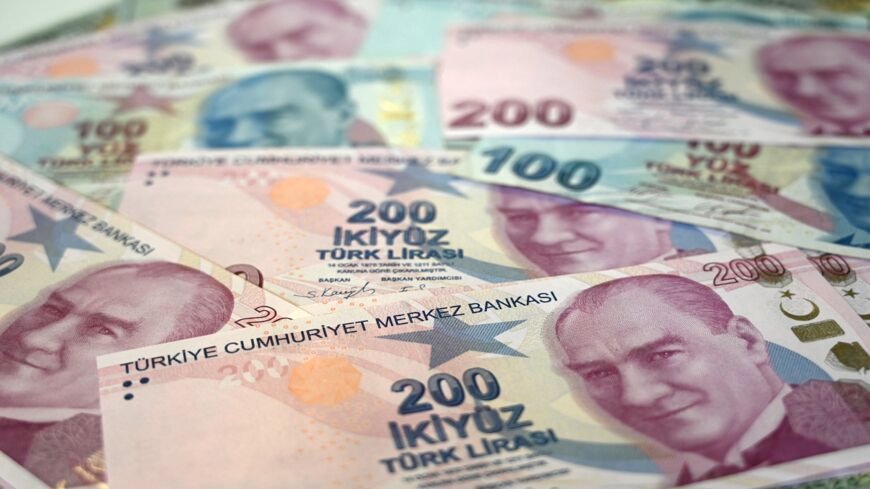
Already the worst performer in emerging markets this year, the lira on Tuesday is on track for the world’s biggest decline against the dollar, slipping as much as 1.5% to the weakest level in five months. Little relief is in sight, especially as energy costs spiral higher for Turkey, according to Al-Jazeera.
“Pressure on the lira is mounting,” said Per Hammarlund, chief emerging markets strategist at SEB AB in Stockholm. He cited “persistently high inflation, signs of slowing growth in Turkey and its main trading partners, and a disastrously misguided monetary policy.”
It’s a culmination of weeks of market turbulence that ended a period of relative stability for the currency, helped by backdoor interventions and the introduction of state-backed accounts that shield savers from lira weakness. The danger is that the currency might become more vulnerable still, with the central bank unanimously expected to hold interest rates again this week despite inflation soaring to the fastest in two decades.
President Recep Tayyip Erdogan has opposed Sweden and Finland’s bids to join NATO after the Nordic countries applied to become members in response to Russia’s invasion of Ukraine. The Turkish leader then lashed out at Greek Prime Minister Kyriakos Mitsotakis, who urged the US Congress last week to block the sale of F-16 warplanes to Ankara.
