
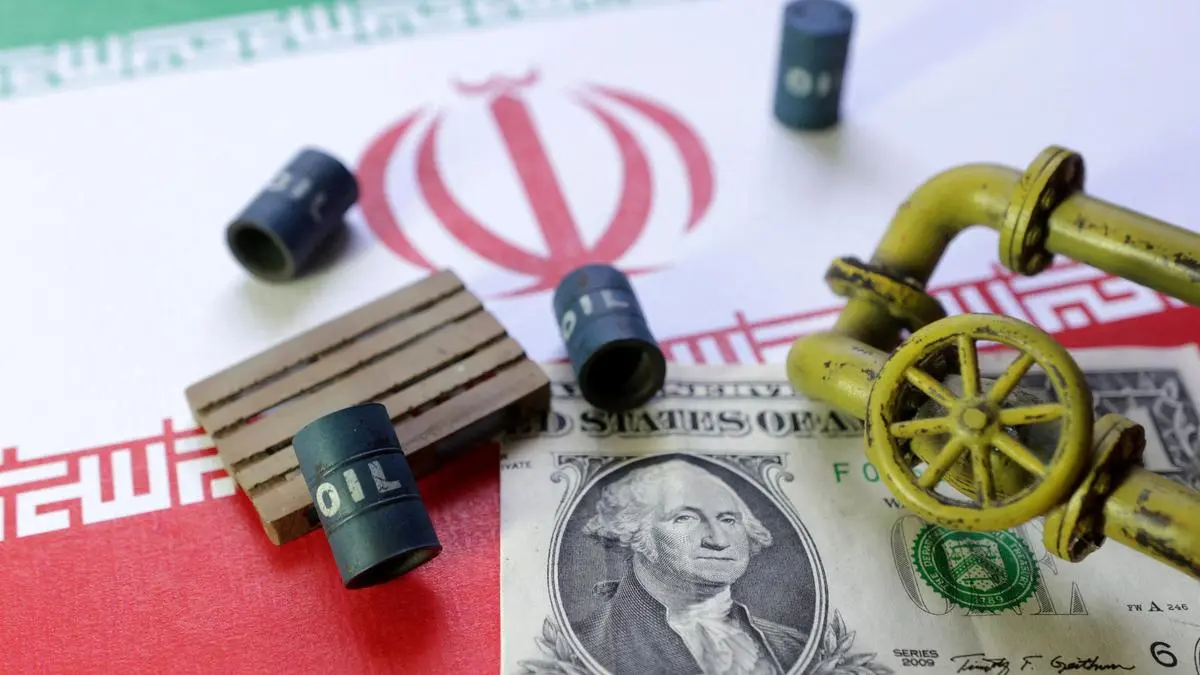

Petrodollar System Faces Unprecedented Strain
The ongoing Iran war threatens the 50-year-old US dollar dominance established through the petrodollar system. According to Bloomberg, disruptions in oil flows and foreign demand for US Treasuries are straining the dollar’s global position.
The petrodollar system began in 1974, when then-Henry Kissinger arranged a landmark deal with Saudi Arabia. Under this arrangement, oil would be priced in dollars, and surplus revenues would be invested in US assets, particularly Treasury bonds. In return, the US provided security guarantees.
For decades, this “petrodollar loop” reinforced the dollar’s status as the world’s reserve currency. It also supported US borrowing costs and underpinned global financial stability.
War Disrupts Oil Flows and Treasury Demand
The Iran war has fractured the system on multiple fronts. Oil-importing nations are struggling with rising crude prices and weakening currencies. Many are selling Treasuries to raise dollars and protect their exchange rates.
Foreign central bank holdings at the Federal Reserve Bank of New York have dropped by $82 billion, falling to $2.7 trillion. Simultaneously, the US 10-year Treasury yield climbed from 3.9% to over 4.4%, instead of declining during crises, signaling rising investor caution.
On the exporting side, Gulf producers are limited in benefiting from higher oil prices. The war and tensions near the Strait of Hormuz have restricted exports. Saudi Arabia, the UAE, Kuwait, and Iraq reportedly cut production by at least 10 million barrels per day in March. Alternative export routes remain vulnerable and constrained.
Shifting Investment Trends and Global Implications
The conflict is also prompting Gulf sovereign wealth funds and regional governments to reassess investments in the US. Structural trends were already weakening foreign demand for Treasuries. Foreign holdings of US government debt have dropped to around 32%, compared with nearly 50% in the early 2010s.
For the first time since 1996, global central banks now hold more gold than US Treasuries. Traditionally, the Treasury market has been seen as a safe haven, backed by the assumption that the US stabilizes global crises. However, Washington’s direct involvement in the Iran war challenges that assumption in unprecedented ways.
Analysts warn that the combination of rising oil prices, constrained exports, and falling foreign demand for Treasuries could signal a long-term shift in global finance. The petrodollar system may be facing its most significant test since its creation, potentially weakening the dollar’s reserve currency role.
If these trends continue, the US may need to rethink its fiscal and geopolitical strategies to maintain the dollar’s dominance amid a changing global energy and financial landscape.

