


Settlement Ends Years-Long Dispute
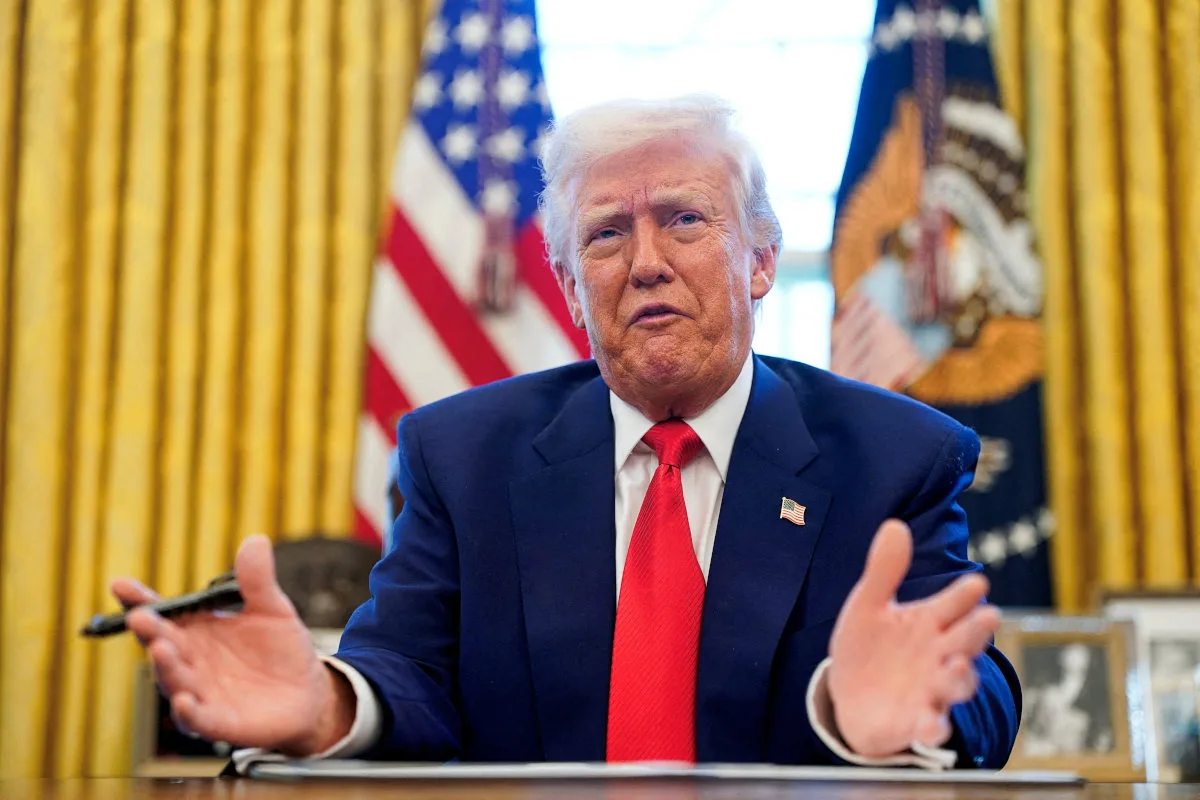
YouTube has agreed to pay $24.5 million to settle a lawsuit filed by U.S. President Donald Trump. The case centered on the suspension of his account after the January 6, 2021, Capitol riot.
According to court documents, the settlement was reached to avoid lengthy litigation and additional costs. YouTube, owned by Alphabet, made clear that it admitted no wrongdoing. Instead, the agreement was designed to resolve disputed claims.
Breakdown of the Settlement
Out of the total amount, $22 million will go toward the Trust for the National Mall. This contribution supports a $200 million project to construct a White House ballroom.
The remaining $2.5 million will be shared among other plaintiffs. These include the American Conservative Union and author Naomi Wolf.
For YouTube, the amount is minor compared to its earnings. The platform generated nearly $9.8 billion in ad revenue during the second quarter of 2025 alone.
Part of Broader Big Tech Settlements
This case follows earlier multimillion-dollar settlements by Meta Platforms and X. Trump had accused both companies of unfair censorship connected to his election fraud claims.
His lawyer, John P. Coale, filed all three lawsuits. He welcomed the outcome, stating both Trump and the other plaintiffs were satisfied.
These settlements highlight Big Tech’s evolving approach toward Trump, who returned to the White House earlier in 2025. Recently, leading CEOs including Sundar Pichai, Mark Zuckerberg, and Tim Cook praised his administration at a White House dinner focused on artificial intelligence.
Media Companies Also Paying Out
Beyond technology firms, several major media outlets have also reached financial settlements with Trump.
In July, Paramount Global agreed to pay $16 million after a dispute over how CBS News’s 60 Minutes portrayed Vice President Kamala Harris.
Earlier, ABC News settled a defamation case involving anchor George Stephanopoulos by contributing $15 million to Trump’s presidential library.
Debate Over Content Moderation
Experts warn that the YouTube settlement could reshape online speech regulation. Timothy Koskie, a researcher at the University of Sydney, argued that consistent rules for content moderation are weakening.
He suggested that these selective decisions may empower censorship instead of reducing it. Koskie also warned that such precedents may influence global policies on digital platforms and free expression.
Implications Moving Forward
The settlement underscores the shifting balance between political power and Big Tech companies. With Trump back in the White House, technology firms appear more cautious in handling disputes linked to his administration.
Observers believe these settlements could affect how platforms regulate controversial political speech in the future. While some see them as victories for free expression, others warn they may further complicate global standards for online content.
