

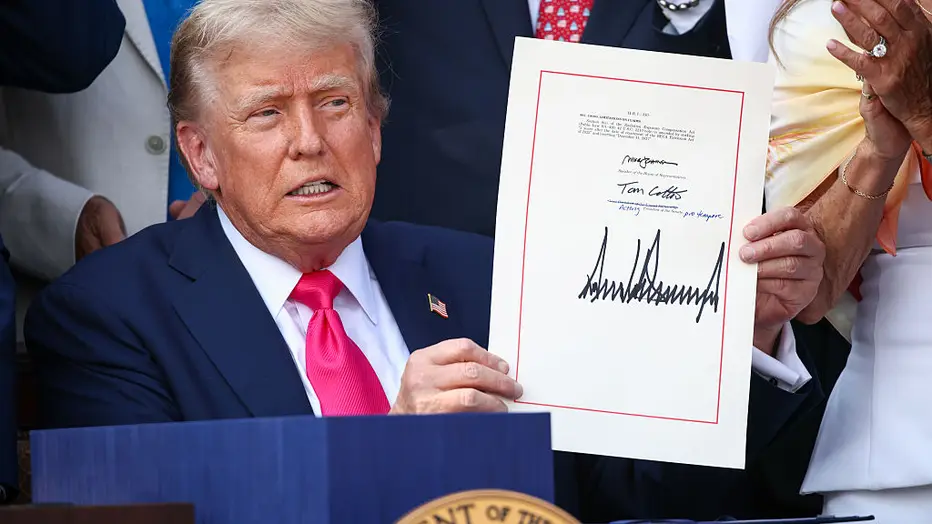

In a sweeping move to reshape global trade, U.S. President Donald Trump has announced a fresh round of steep import tariffs targeting 69 countries — including Pakistan, which now faces a 19% reciprocal duty on its exports to the U.S.
The announcement, made ahead of a looming Friday deadline for trade negotiations, forms part of Trump’s broader effort to correct what he describes as “unfair trade imbalances” and safeguard U.S. economic and national security interests.
An executive order issued by Trump details new import duties ranging from 10% to 41%, set to take effect in seven days. Countries not listed in the annex will face a flat 10% tariff. The move affects a wide swath of U.S. trading partners, many of whom were either unable to reach agreements or, in Trump’s view, failed to offer adequate concessions.
“Despite negotiations, some countries have proposed terms that do not sufficiently address trade imbalances or align with U.S. security priorities,” the order stated.
Canada, the U.S.’s second-largest trading partner, will see tariffs on certain goods linked to the fentanyl crisis rise to 35% from the current 25%. Trump accused Canada of not cooperating in stopping fentanyl flows into the U.S.
In contrast, Mexico was granted a 90-day reprieve from new 30% tariffs on many non-automotive and non-metal goods. This decision followed a phone call between Trump and Mexican President Claudia Sheinbaum. Sheinbaum later posted on social media, “We avoided the tariff increase announced for tomorrow,” calling the conversation “very good.”
Mexico’s economy ministry noted that around 85% of its exports to the U.S. already comply with the USMCA trade agreement, shielding them from fentanyl-related tariffs. Still, Mexican steel, aluminum, copper, and non-compliant goods will remain subject to 25% to 50% tariffs. Trump also announced that Mexico has agreed to dismantle its non-tariff trade barriers, although no specifics were provided.
Meanwhile, South Korea reached a deal to avoid harsher penalties, agreeing to a 15% tariff on key exports, including automobiles, down from a threatened 25%. The agreement includes Seoul’s pledge to invest $350 billion in U.S.-approved projects.
India, however, faces a looming 25% tariff after talks stalled over access to its agricultural market. Trump also hinted at additional penalties over India’s ongoing purchase of Russian oil. India’s refusal to compromise triggered political backlash at home and added pressure on the rupee.
Despite the administration’s optimism over “pending deals,” U.S. officials declined to reveal specific agreements, saying announcements would be left to the president.
While Trump defends the tariffs as essential for long-term economic security, data from the Commerce Department shows they are beginning to affect consumer prices. In June, prices for home furnishings and durable household goods jumped 1.3% — the sharpest rise since March 2022. Recreational goods climbed 0.9%, and clothing and footwear costs rose 0.4%, indicating inflationary pressure may be intensifying.
