

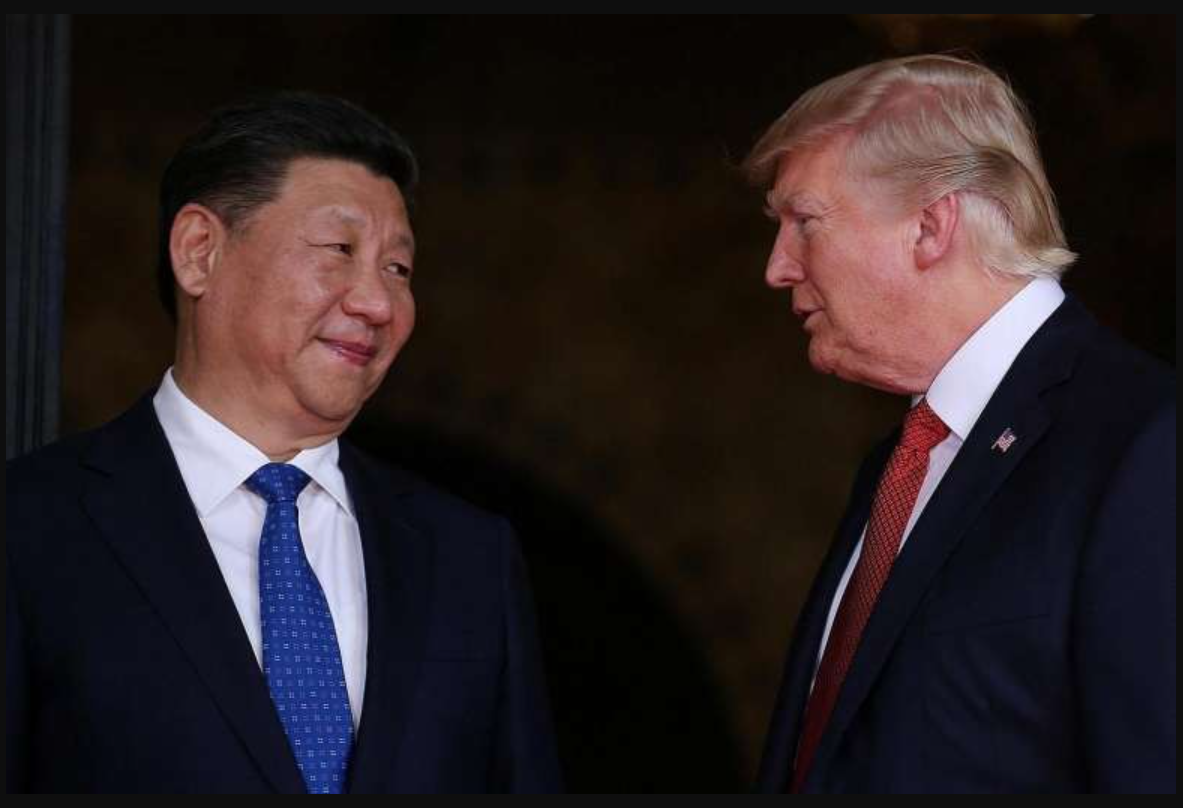

U.S. President Donald Trump has issued a stark warning to China, suggesting that it could soon face new tariffs as a consequence of its continued oil trade with Russia. This move is part of a broader strategy by the Trump administration to pressure countries that maintain strong economic ties with Moscow, especially those contributing indirectly to Russia’s military operations.
Speaking at a press briefing, Trump criticized China’s ongoing import of Russian oil, stating that such actions may prompt the U.S. to implement further punitive economic measures. While no final decision has been made, he indicated that the administration is actively considering raising tariffs as a form of deterrence.
Trump also confirmed that his administration has already increased tariffs on Indian imports. The latest round of duties added an additional 25%, raising the total tariff on goods from India to 50%. The rationale behind this move, according to Trump, is India’s persistent oil dealings with Russia, both directly and through intermediaries. He accused India of undermining international sanctions by continuing such trade, and claimed it enables Russia to fuel its ongoing military efforts in Ukraine.
Turning to Russia, the U.S. president acknowledged recent diplomatic talks with Russian officials, which he described as productive. He announced plans for a high-level meeting in the near future to further discuss the terms of a ceasefire in Ukraine. Trump has set a firm deadline for Moscow to agree to peace terms, warning that failure to comply will result in severe consequences, including enhanced sanctions and economic isolation.
In the tech sector, Trump revealed plans to impose nearly 100% tariffs on the import of semiconductors and microchips, further intensifying the U.S. stance on trade and technology independence. These measures are part of a broader policy to reduce reliance on foreign technology, especially from nations that maintain close ties with adversarial powers.
In a separate statement, Trump issued a clear warning to Iran, stating that any move to revive its nuclear program would be met with immediate and forceful military action. This declaration reflects the administration’s uncompromising position on nuclear non-proliferation and regional security.
Behind the scenes, diplomatic channels remain active. A recent meeting between Trump’s special envoy and Russian President Vladimir Putin was described as constructive by those involved. This dialogue is seen as a critical step in the lead-up to the U.S.-imposed deadline for a Russian ceasefire agreement.
The Trump administration has also hinted at imposing secondary sanctions on nations that continue to do business with Russia, signaling a broader clampdown on global trade partners supporting Moscow either directly or indirectly.
Ukrainian leadership has welcomed these moves. President Volodymyr Zelensky stressed that only when Russia’s financial reserves are significantly depleted will genuine peace negotiations become possible. He called for sustained economic pressure and endorsed the idea of coordinated oil tariffs as a strategy to reduce Russia’s ability to fund its war efforts.
As the geopolitical landscape continues to shift, the coming weeks will be crucial in determining the effectiveness of economic pressure in curbing Russian aggression and reshaping global trade dynamics.
