
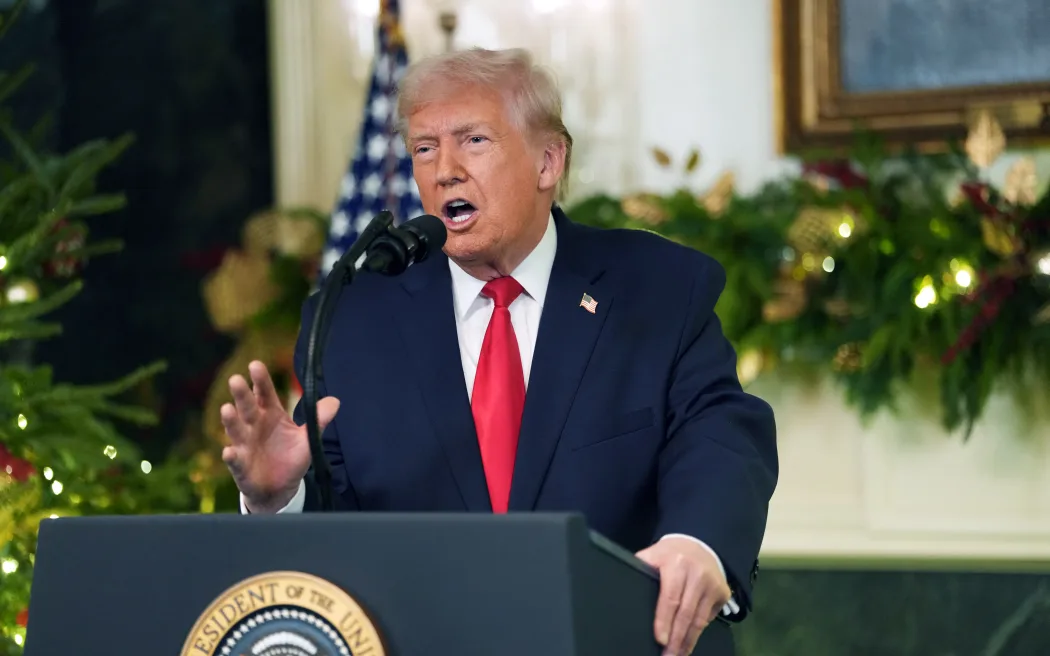

US President Donald Trump said that Washington has sent a peace plan to Iran, expressing optimism about ending nearly a month of conflict. His remarks came as Tehran indicated it would allow “non-hostile” vessels to pass through the Strait of Hormuz, a critical global energy corridor.
Trump stated that the United States is “in negotiations right now” with Iran, pointing to what he described as a significant positive gesture linked to the strait. Although he did not provide details, Iran shortly afterward signalled safe passage for certain ships in a message circulated via the International Maritime Organization. Consequently, global oil prices dropped sharply, reflecting cautious market optimism.
Despite these developments, tensions remain high. Trump had earlier threatened to target Iran’s infrastructure if shipping routes were not reopened. However, he extended his deadline, citing diplomatic progress. Meanwhile, Pakistan has offered to facilitate talks, with discussions reportedly involving senior US officials, including Vice President JD Vance.
According to media reports, Washington shared a multi-point proposal that could include a temporary ceasefire, restrictions on Iran’s nuclear activities, and guarantees for maritime security. In return, Iran could receive sanctions relief and support for civilian nuclear development, including projects at Bushehr.
At the same time, violence has not fully subsided. Iran accused Israel of carrying out another strike near Bushehr, raising fears of escalation. Civilians in Tehran described ongoing explosions and uncertainty, particularly regarding potential attacks on energy infrastructure.
The conflict, which began after joint US-Israeli strikes in late February, has disrupted global energy markets and heightened regional instability. Nevertheless, the latest diplomatic signals suggest a possible path toward de-escalation, although significant challenges remain before any agreement can be finalised.

