


Rising Tensions After Protests and Military Warnings
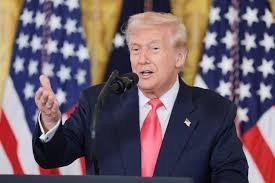
US President Donald Trump said on Sunday that he remains hopeful of reaching a deal with Iran. His remarks came after Iran’s supreme leader warned that any American attack would trigger a regional war. The warning has added to already high tensions between Washington and Tehran.
Tensions escalated following Iran’s deadly crackdown on anti-government protests that peaked last month. In response, Trump threatened military action and ordered a US aircraft carrier strike group to the Middle East. The move raised fears of a direct confrontation.
Iran’s supreme leader Ayatollah Ali Khamenei addressed the situation in a speech on Sunday. He described the recent protests as a “coup” backed by foreign enemies. He warned that the United States should expect a regional conflict if it launched an attack on Iran.
Khamenei said protesters attacked police stations, government buildings, IRGC centers, banks, and mosques. He also accused them of burning the Quran. He claimed the unrest was suppressed and urged Iranians not to fear US threats.
Trump Responds, Signals Willingness for Dialogue
When asked about Khamenei’s warning, President Trump dismissed the rhetoric as expected. He said Iran’s leader would naturally issue threats under pressure. Trump added that he still hoped diplomacy would prevail.
“Hopefully we’ll make a deal,” Trump told reporters. He added that if no deal was reached, the outcome would test Iran’s warnings. His comments reflected a mix of caution and confidence.
Trump has previously said he believes Iran would prefer negotiations over facing military action. He reiterated that a deal could prevent further escalation. However, he did not withdraw earlier threats of force.
Amid rising tensions, Iran released 26-year-old protester Erfan Soltani on bail. His lawyer confirmed the development on Sunday. Soltani was arrested in January on charges of propaganda against the state and acting against national security.
Washington had warned Soltani faced execution and threatened retaliation if protesters were put to death. Iranian authorities denied he was ever sentenced to death. They said his charges did not carry capital punishment.
Human Rights, Sanctions, and Conflicting Death Toll Claims
Iran has acknowledged thousands of deaths during the protests. On Sunday, the presidency published a list of 2,986 names out of 3,117 reported deaths. Officials said most victims were security personnel or bystanders.
However, the US-based Human Rights Activists News Agency reported a much higher figure. HRANA claimed it had confirmed 6,713 deaths, mostly protesters. The conflicting numbers have fueled international criticism.
The European Union responded by designating Iran’s Islamic Revolutionary Guard Corps as a terrorist organization. Iranian lawmakers retaliated by labeling European armies as terrorist entities. They wore IRGC uniforms in parliament and chanted anti-Western slogans.
The move mirrored similar designations already made by the United States, Canada, and Australia. It remains unclear how the decision will impact diplomatic relations in the short term.
Despite the tension, Iranian Foreign Minister Abbas Araghchi said talks were still possible. He warned about “miscalculations” but expressed hope Trump would choose diplomacy. He said regional countries were acting as intermediaries to rebuild trust.
Trump also confirmed that dialogue was ongoing. He said negotiations could continue if Iran sought a fair and equitable deal. Tehran has stated it is open to nuclear talks, but refuses to discuss missile and defense capabilities.
As threats and diplomacy unfold side by side, regional and global observers remain anxious. Many fear that missteps could push both sides toward conflict rather than compromise.
