

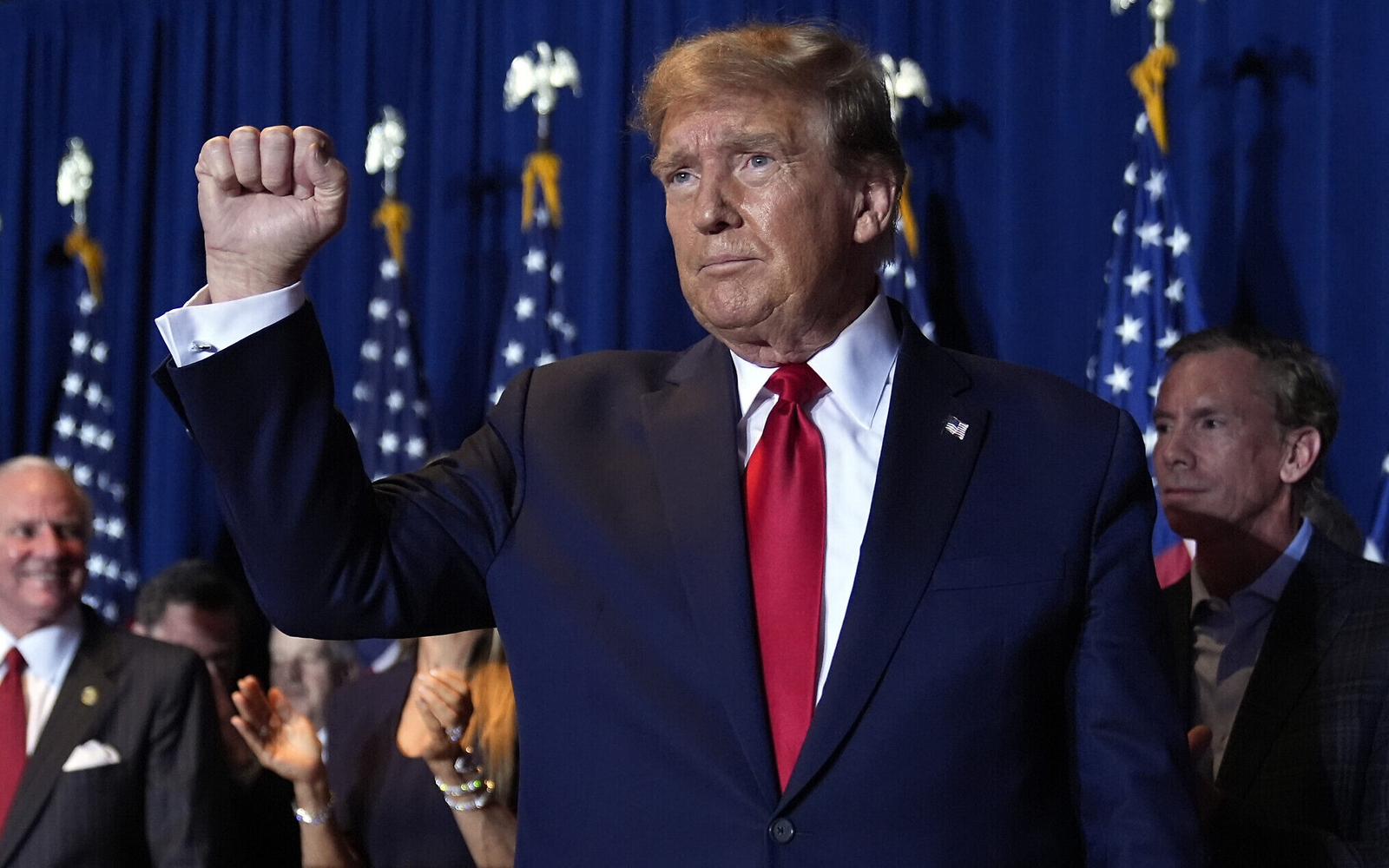

In South Carolina’s Republican contest on Saturday, Donald Trump secured a decisive victory over Nikki Haley, maintaining his winning streak as he pursues a third consecutive presidential nomination and a potential rematch with Democratic President Joe Biden.
Despite facing various criminal charges, Trump was widely expected to win in the Southern state, where Haley, a native and two-term governor, also competed.
Trump’s substantial win is likely to intensify calls from his allies for Haley to exit the race. However, Haley, who exceeded expectations in opinion polls, remained defiant and expressed her determination to continue at least until “Super Tuesday” on March 5, when Republicans in multiple states and a US territory will vote.
With approximately 83% of the expected vote tallied, Trump led with 60.0% to Haley’s 39.4%, a margin of 20.6 percentage points, according to Edison. Pre-election statewide polls suggested an average lead of 27.6 percentage points for Trump. Despite her lower vote share, Haley emphasized that 40% represents a significant portion of Republican primary voters seeking an alternative.
Having triumphed in all five contests so far, including Iowa, New Hampshire, Nevada, the US Virgin Islands, and South Carolina, Trump’s dominance leaves Haley with an uncertain path to the Republican nomination. In his victory speech, Trump, without mentioning Haley, asserted the unity of the Republican Party.
Haley, who escalated her criticisms of Trump in the days leading up to the primary, questioning his mental acuity and warning of a potential general election loss, found limited evidence that a majority of Republican voters seek an alternative to Trump. Immigration, a key focus of Trump’s campaign, emerged as the top issue for voters, with 39% prioritizing it over the economy.
Exit polls also revealed potential vulnerabilities for both Trump and Biden. While Trump’s strong stance on immigration resonated with voters, nearly one-third expressed concerns about his fitness for the presidency if convicted of a crime, particularly as his first trial is set to begin on March 25 in New York City.
Trump faces charges related to concealing hush money payments to Stormy Daniels and conspiring to reverse Biden’s victory in 2020, among others. Trump has pleaded not guilty and dismissed the charges as part of a Democratic conspiracy.
