


Ceasefire negotiations in Gaza have picked up pace amid ongoing violence, with U.S. President Donald Trump announcing a ceasefire, confirming that Israel has agreed to a 60-day ceasefire, ending 21 months of conflict.
According to Trump, there is now a real possibility of a breakthrough, even as tensions remain high on the ground. Hamas ha given a “positive response” to mediators, while Israeli Prime Minister Benjamin Netanyahu has dismissed Hamas’s demands as “unacceptable” — yet still sent a delegation to Doha for continued talks.
Key Hamas demands include the dismantling of the Gaza Humanitarian Foundation, full Israeli troop withdrawal to pre-war positions, and international guarantees to prevent future hostilities.
In response, a U.S.-backed framework proposes a phased agreement that would see Hamas release Israeli captives in exchange for Palestinian prisoners, accompanied by a gradual pullback of Israeli forces.
Netanyahu has signaled conditional approval for the deal but maintains that military operations will not cease until all captives are released and Hamas is dismantled—a position critics argue is politically motivated as he faces mounting legal and political pressures at home.
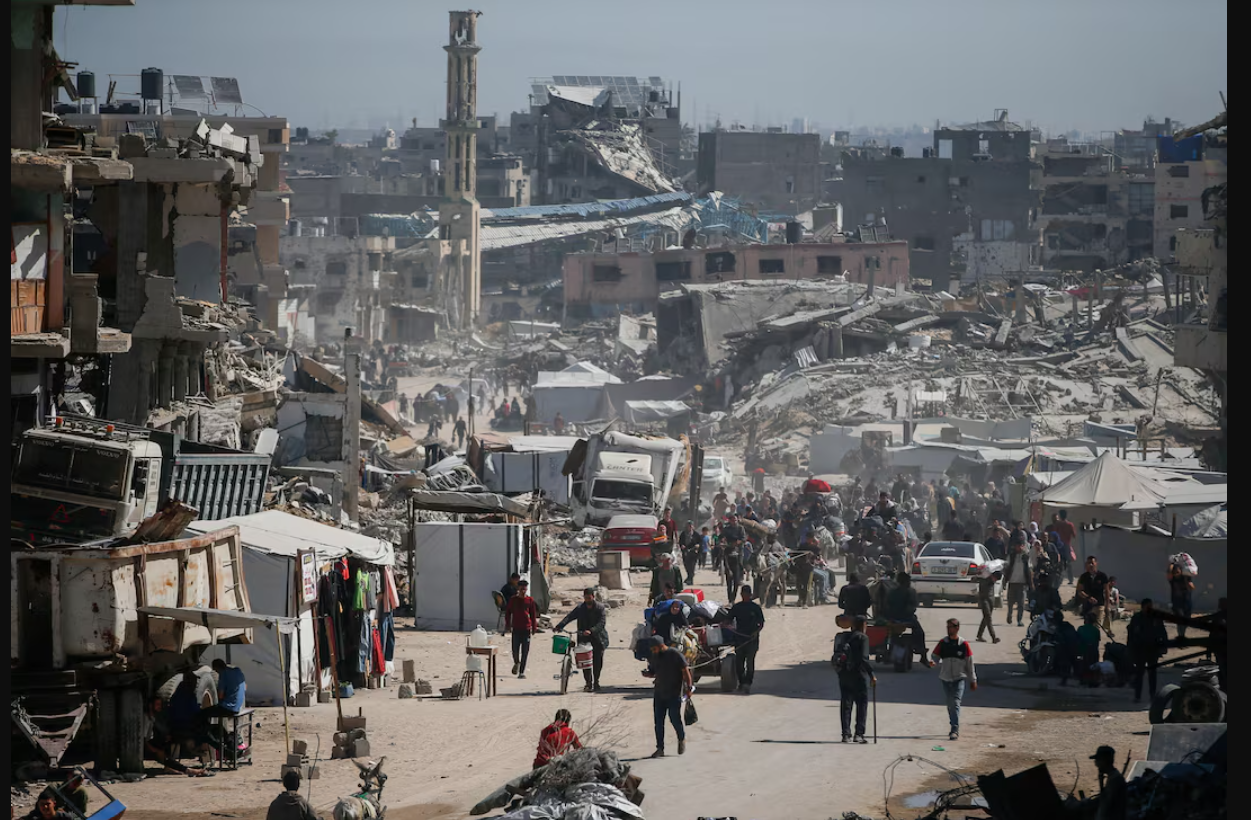
Meanwhile, the humanitarian situation in Gaza continues to deteriorate, with relentless Israeli airstrikes causing mounting civilian casualties.
Despite some diplomatic movement, analysts caution that a lasting ceasefire remains uncertain, as Israel’s leadership may still prioritize military objectives over peace. The coming days are seen as critical for determining whether a viable deal can be secured.
