


Trees in Pakistan: The Green Heritage Shaping Our Landscape
Pakistan is home to an incredibly diverse range of tree species, from towering Himalayan conifers to flowering beauties in the plains and drought-resistant trees in the deserts. These trees not only define our natural heritage but also play a vital role in sustaining the environment, regulating climate, and preserving biodiversity.
🌲 1. Trees of Northern Pakistan – The Mountain Giants
Deodar Cedar (Cedrus deodara)
The national tree of Pakistan, this majestic conifer thrives in the Himalayan regions. It symbolizes resilience and is known for its durable wood and spiritual significance.
Chir Pine (Pinus roxburghii)
Often found on lower hills, this pine species is vital for local timber and resin industries.
Blue Pine (Pinus wallichiana)
With its tall, graceful appearance and high-altitude adaptability, the blue pine supports mountain ecosystems and prevents soil erosion.
🌳 2. Common Trees in the Plains – Cultural & Everyday Icons
Mango Tree (Mangifera indica)
Pakistan’s favorite fruit grows on one of its most loved trees. Mango trees are widely cultivated in Sindh and Punjab, offering shade and seasonal fruit.
Neem Tree (Azadirachta indica)
Known for its medicinal and pest-repelling properties, neem trees are drought-resistant and commonly planted near homes and roads.
Peepal Tree (Ficus religiosa)
A sacred tree in South Asian culture, peepal is often found near temples and in rural communities. Its dense foliage provides excellent shade.
Kikar / Babul (Acacia nilotica)
Common in arid zones, this hardy tree is used for firewood, fencing, and cattle fodder.
🌴 3. Trees of the Arid & Desert Regions
Sissoo (Dalbergia sissoo)
A fast-growing, hardwood tree seen along canal banks and dry plains. It’s often used in furniture-making.
Khejri (Prosopis cineraria)
Essential for desert life, this tree provides shade, fodder, and improves soil fertility, especially in the Cholistan and Thar regions.
🌼 4. Ornamental and Fruit-Bearing Trees
Amaltas (Cassia fistula)
Recognized by its bright yellow flowers, Amaltas is popular in urban landscaping and has medicinal uses.
Banyan Tree (Ficus benghalensis)
Pakistan is home to some of the largest banyan trees. Known for their wide canopy and aerial roots, they are often central to village life.
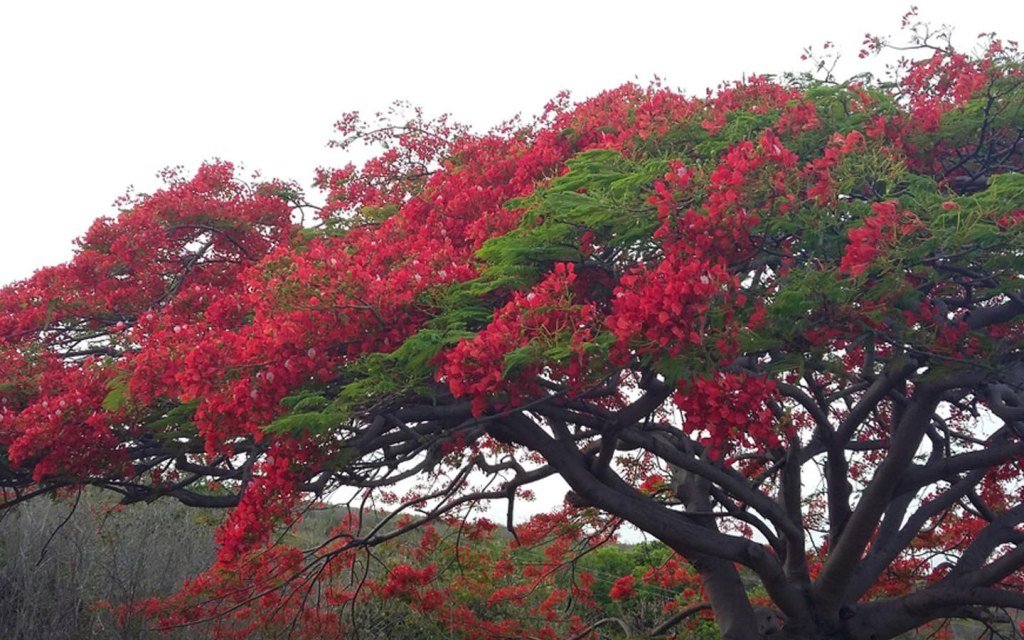
Gulmohar (Delonix regia)
A flowering tree with striking red-orange blossoms, commonly seen in cities during spring and summer.
Jamun Tree (Syzygium cumini)
This fruit-bearing tree provides shade and is valued in herbal medicine. It’s a common sight in rural gardens.
Mulberry & Poplar Trees
Used in agroforestry, these fast-growing trees support silk production and wood industries.
🌿 5. Ecological Importance of Trees in Pakistan
-
Climate Regulation: Trees help control temperature, store carbon, and improve rainfall patterns.
-
Soil Protection: Root systems prevent erosion, particularly in hilly and flood-prone areas.
-
Wildlife Habitat: Forests support endangered species like the snow leopard, markhor, and various migratory birds.
-
Cultural Significance: Many trees are woven into local traditions, rituals, and folklore.
🌱 6. Conservation Efforts and Challenges
-
Reforestation Initiatives: Large-scale tree plantation campaigns like the Billion Tree Tsunami are reviving forests across the country.
-
Mangrove Restoration: Coastal tree cover is being increased to fight sea intrusion and flooding.
-
Urban Afforestation: Tree planting in cities is essential to combat pollution and improve air quality.
However, trees in Pakistan face growing threats: deforestation, illegal logging, urban sprawl, overgrazing, and climate change are taking a toll on the country’s green cover.
