

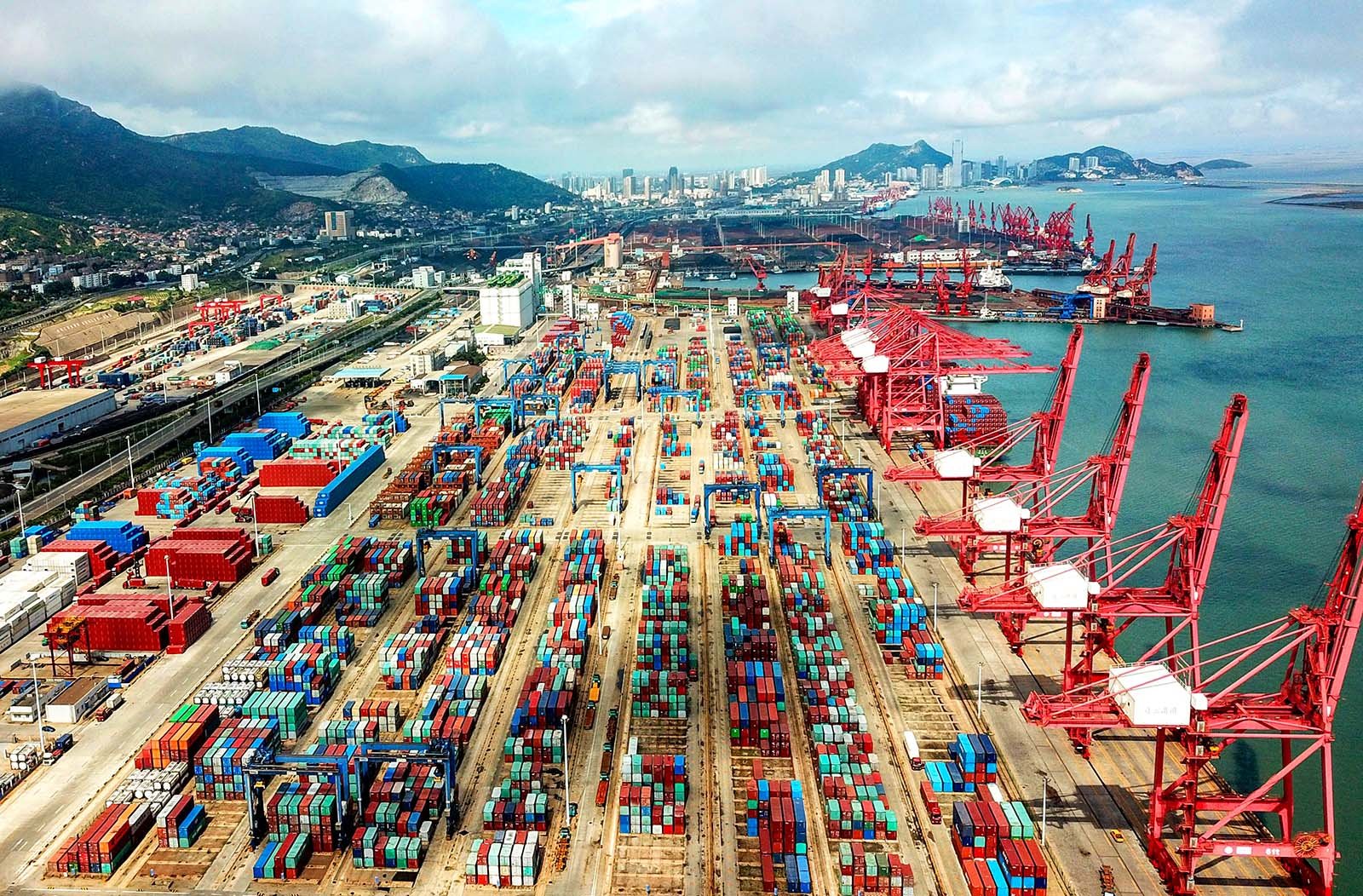

Pakistan’s trade deficit reached $24 billion during the first 11 months of the current fiscal year, reflecting a 10.6% year-on-year increase primarily due to a significant rise in imports that exceeded the growth in exports.
According to data released by the Pakistan Bureau of Statistics (PBS), from July 2024 to May 2025, merchandise exports rose by 4.72% to $29.44 billion. In contrast, imports jumped by 7.3%, reaching $53.45 billion, widening the trade gap and increasing pressure on the country’s foreign exchange reserves and the rupee’s value.
Despite the growing trade deficit, other macroeconomic indicators have shown encouraging signs. Headline inflation, which dropped to an exceptionally low 0.30% in April 2025, rose slightly to 3.46% in May. Additionally, the current account posted a surplus of $1.88 billion from July to April, a notable improvement compared to the $1.34 billion deficit recorded in the same period last year.
This turnaround is largely due to a sharp 30.9% increase in workers’ remittances, which totaled $31.2 billion during the period.
While exports declined by 10.1% year-on-year in May to $2.55 billion, they rebounded sharply on a monthly basis, rising 17.4% from April. Imports during May increased by 5.2% year-on-year to $5.17 billion but fell 7.6% from the previous month, easing immediate pressure on external accounts.
On average, monthly exports currently stand at $2.67 billion, putting the country on track to surpass the $32 billion export target for FY25.
Economists attribute challenges in export performance to persistently high interest rates, which have restricted access to credit, as banks favor investment in government securities over lending to the private sector.
Meanwhile, the services sector posted a $2.5 billion deficit during July-April FY25, slightly higher than the $2.4 billion recorded a year earlier. Services imports rose 7.9% to $9.43 billion, while exports increased by 9.3% to $6.93 billion. The ICT sector continued to shine, with exports growing by 21.1% to $3.14 billion, supported by government initiatives aimed at boosting the digital economy.
