
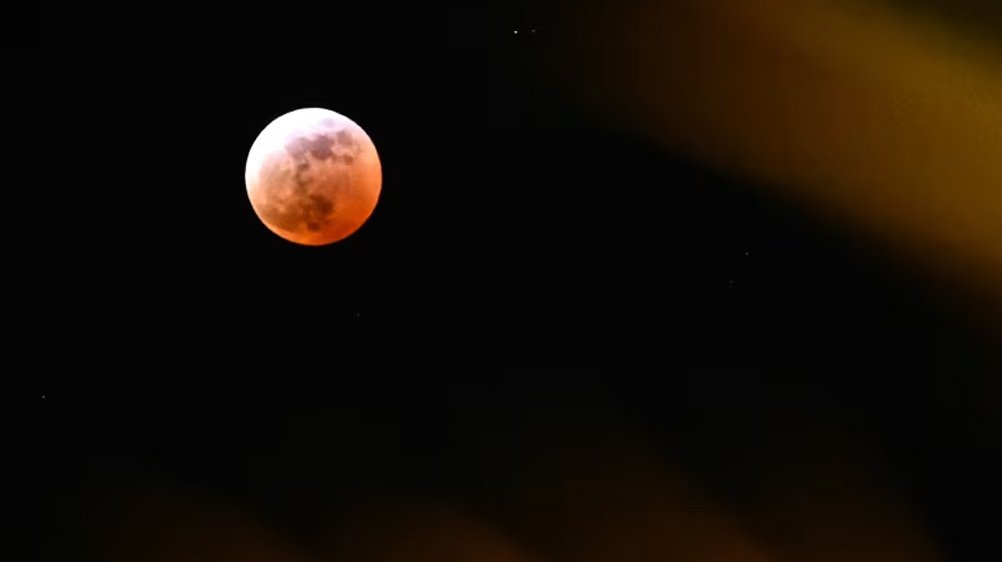

Skywatchers across a broad swath of the globe are in for a treat on Tuesday, March 3, 2026, as a total lunar eclipse—often called a “blood moon”—will paint the moon a deep reddish-orange. This celestial event will be visible across Asia, Australia, the Pacific Islands, and the Americas simultaneously, marking the last total lunar eclipse until December 31, 2028.
According to NASA, the phenomenon occurs when Earth moves directly between the sun and the moon, casting its shadow on the lunar surface. The red hue comes from sunlight filtering through Earth’s atmosphere, similar to the colors seen at sunrise and sunset.
What to Look For and When
Visibility depends on your time zone and local weather, but the key phases (all times Eastern) are:
Penumbral Eclipse Begins (faint dimming): 3:44 a.m. ET
Partial Eclipse Begins (moon enters Earth’s dark shadow): 4:50 a.m. ET
Totality Begins (moon fully in shadow, red color appears): 6:04 a.m. ET
Peak of Totality (most intense color): 6:34 a.m. ET
Totality Ends: 7:03 a.m. ET
Eclipse Ends: 9:23 a.m. ET
Dr. C. Alex Young, associate director for science communication at NASA’s Goddard Space Flight Center, advises: “If you only have time to look at one part, this is what to aim for.” He also notes that no special equipment is needed. “You don’t need a fancy telescope to witness this! Just head outside, look up, and enjoy the view.”
For those wanting a closer look, binoculars or a small telescope can enhance the view. The next opportunity to witness a total lunar eclipse won’t come until New Year’s Eve 2028, making this a must-see event for astronomy enthusiasts and casual sky-gazers alike.

