

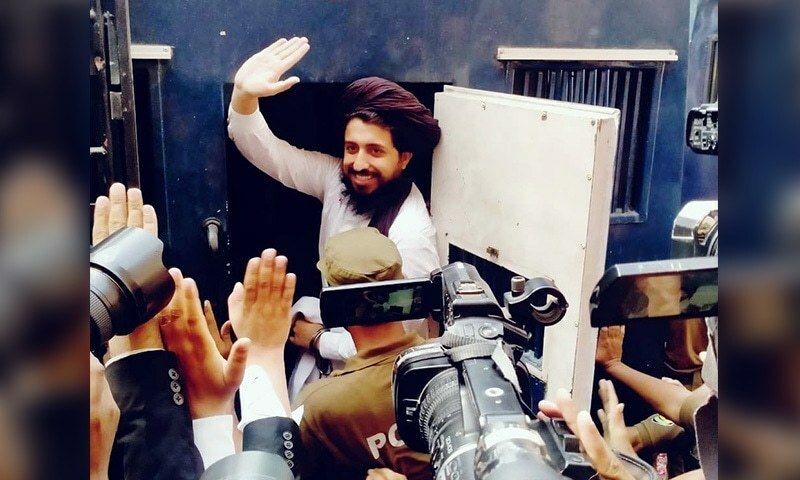

Leaders Located as Life Returns to Twin Cities
ISLAMABAD / RAWALPINDI — After four days of disruption and protest in the twin cities, life has largely returned to normal. Meanwhile, law enforcement agencies say they have traced Tehreek-e-Labbaik Pakistan (TLP) chief Saad Hussain Rizvi and leader Anas Rizvi. Sources indicated both are likely to be arrested soon. Authorities urged them to surrender to ensure they receive medical care, noting that their injuries remain unconfirmed at this time.
During the height of the protests, TLP supporters attempted marches toward Islamabad, which intensified tensions, especially around Muridke — the epicenter of the confrontation. In the ensuing crackdown, police assert they recovered a rifle from Anas Rizvi allegedly used to fire at security forces. Social media circulated claims of mass casualties, but hospital sources reported only a handful of admissions. According to the official police statement, three people died: one TLP worker, a bystander, and a police officer. Officials dismissed higher casualty numbers as exaggerated.
While protests ended after a late-night operation and the reopening of the Grand Trunk Road (GT Road), speculation persists about the whereabouts of TLP’s senior leadership. Across the period, a TLP negotiating delegation — including Shafique Amini, Ghous Baghdadi, and Faizi — met with Punjab officials such as Health Minister Khawaja Salman Rafique and the Inspector General of Punjab, Usman Anwar.
FIR Filed, Anti‑Terror Charges, and Allegations of Violence
An FIR has been registered at the Rawat Police Station in Rawalpindi, naming Saad Rizvi, Qari Bilal, and 21 others. The complaint, filed by Sub‑Inspector Najeeb Ullah, includes anti‑terrorism clauses. It alleges that TLP protesters blocked roads under Saad’s direction and attempted to snatch ammunition from police.
The FIR states Qari Bilal and his associates were armed with petrol bombs and sticks embedded with nails. The suspects allegedly opened fire on police, leading to injuries of Constable Adnan. In addition, Constable Nazeer was reportedly assaulted by Qari Danish and others during the clashes. Authorities claim protests blocked roads illegally under Section 144 of the Criminal Procedure Code. Recovered from protesters were tear gas canisters, shell casings, petrol bombs, nails, and ammunition.
More than 25 separate police cases have since been filed across localities such as Islampura, New Anarkali, Gawalmandi, Shafiqababad, Badami Bagh, and Shahdara. These cover a spectrum of offenses including rioting, murder, attempted murder, kidnapping, and terrorism.
Police characterized the violence as planned attacks coordinated under TLP leadership. They maintain that during negotiations, the protest leadership continued inciting crowds and resorted to deliberate attacks — stone pelting, petrol bombs, and firing from stolen weapons. The FIR says approximately 40 vehicles (government and private) were torched, and several shops were set ablaze. The clashes also led to 48 police injuries, with 17 personnel reportedly sustaining gunshot wounds. Three TLP workers and one civilian reportedly died, while at least 30 civilians were wounded.
Authorities also claimed protesters hijacked a university bus for use in the protest and even attempted to run over people. While many rioters were arrested, Saad Rizvi and other top leaders reportedly slipped away. A major search operation is underway.
“Snatching weapons, burning vehicles, and launching attacks is not peaceful protest. Those involved will face the law fully,” officials stated.
Public Services Begin Resuming
In the aftermath, authorities have also restored certain public services in the twin cities. Metro Bus service has resumed between Saddar Station and Kashmir Highway, though the stretch between Faiz Ahmed Faiz Station and Pak Secretariat remains suspended due to blockades at D-Chowk. Restoration of that route is slated for a second phase. The service up to the airport has also resumed.
Additionally, the Faizabad Interchange, closed for six days, has been reopened. Directives have been issued to reopen transport terminals, hotels, hostels, restaurants, and markets, aiming to return everyday life to normalcy.
