

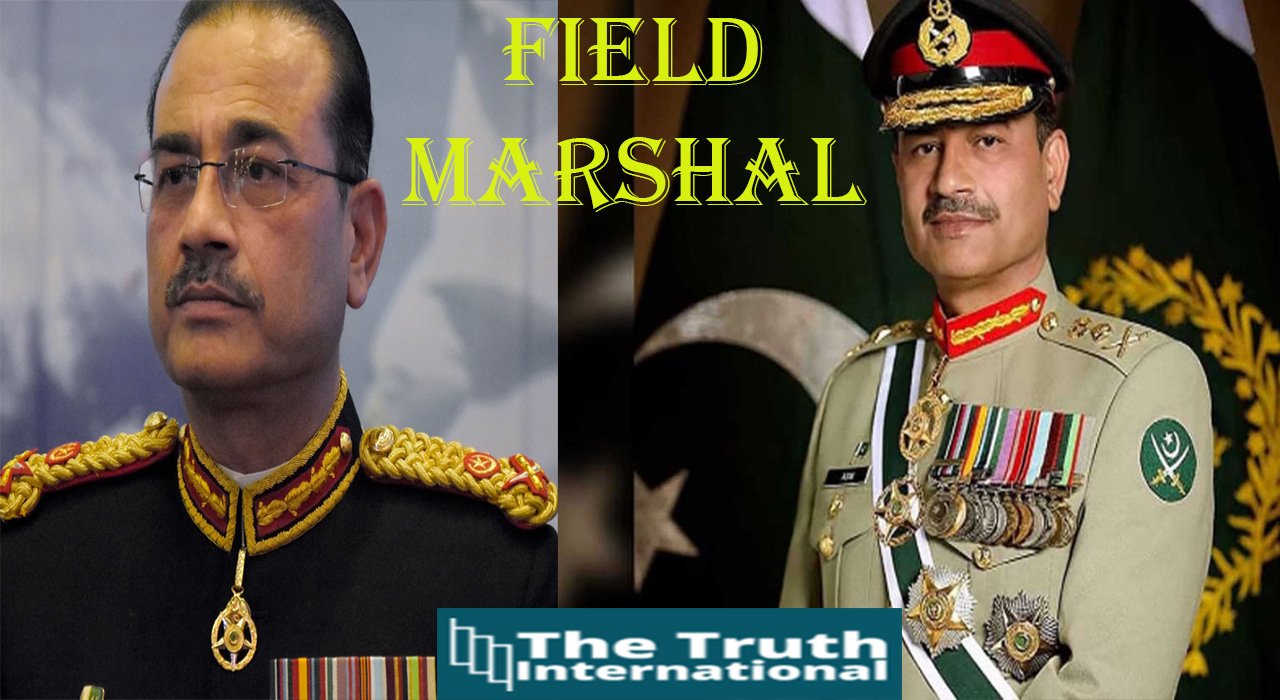

In a significant endorsement, British weekly The Economist has lauded Pakistan’s Army Chief, Field Marshal Syed Asim Munir, as the driving force behind what it calls a “diplomatic and strategic transformation” in South Asia.
In a detailed article published on August 3, The Economist highlighted Field Marshal Munir’s pivotal role in reshaping Pakistan’s foreign relations — from revitalizing ties with the United States to maintaining balanced engagement with China, the Gulf, and the broader Middle East.
Key Diplomatic Developments
The article noted that on June 18, Field Marshal Munir held a private meeting with former U.S. President Donald Trump at the White House. The meeting, it said, marked the beginning of a notable shift in U.S. diplomatic posture in the region.
Following this interaction, the United States imposed a 25% tariff on India, labelling it a “dead economy,” while simultaneously announcing a trade agreement with Pakistan along with a comparatively lower 19% tariff.
According to the publication, Washington is now seriously reevaluating its regional strategy. This includes reviving defence and counter-terrorism cooperation with Pakistan and reestablishing bilateral trade relations. American officials have reportedly acknowledged Pakistan’s successful counter-Daesh operations and are considering the provision of military hardware, including armoured vehicles and night vision equipment.
Rebalancing Regional Power
The Economist reported that U.S. policymakers are reassessing India’s regional role and alleged subversive activities. This marks a sharp shift in Washington’s traditional South Asia policy, with growing appreciation for Pakistan’s strategic importance.
Field Marshal Munir, the article stated, is now in direct contact with global diplomats and major investors. President Trump’s inner circle is reportedly exploring investment opportunities in Pakistan’s cryptocurrency and mining sectors.
Rising Global Profile
The article also credited Munir’s rising international stature to his handling of a recent military standoff with India. Despite provocations from New Delhi, the Field Marshal responded swiftly and decisively — a move seen as a reflection of his strong leadership and strategic discipline.
As a result, his popularity has grown both at home and abroad, positioning him as a central figure not only in Pakistan’s security apparatus but also in its evolving foreign policy.
A New Role for Pakistan
The Economist concluded that under Field Marshal Asim Munir’s leadership, Pakistan is no longer merely reacting to global dynamics but is actively shaping them. The country, it argued, is shedding its image as a geopolitical pawn and asserting itself as an independent, strategic player on the international stage.
