


According to Gotabaya Rajapaksa, his meeting with Vladimir Putin was “extremely beneficial.”
This follows a weekend warning from Sri Lanka’s energy minister that the nation might soon experience a gasoline shortage.
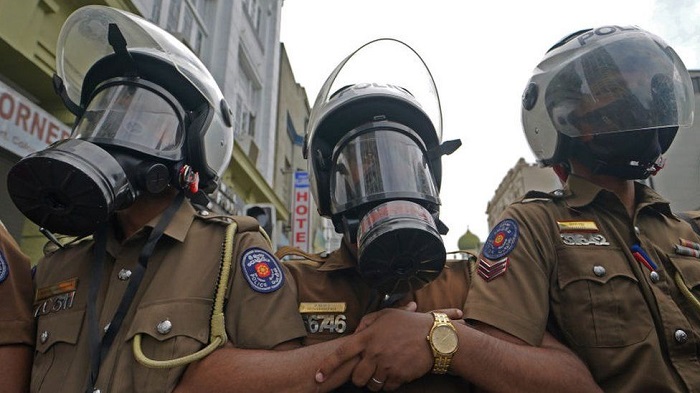
On Wednesday, hundreds of people protested in the streets of Colombo, the nation’s capital.
Mr. Rajapaksa tweeted, “I asked an offer of credit support to import petroleum.” This was a reference to his talk with the Russian leader.
After Russian flag carrier Aeroflot discontinued services between Moscow and Colombo last month, Mr. Rajapaksa said he had “humbly made a plea” for flights to restart.
To further cement the connection between our countries, we all agreed that fostering mutually beneficial exchanges in areas like as tourism, commerce, and culture was of the utmost importance, he said.
The administration has signaled that it is open to buy extra oil from Russia, which it has previously done in recent months to assist strengthen fuel supply throughout the crisis.
Mr. Rajapaksa has been trying to address weeks of gasoline, electricity, food, and other necessary item shortages in Sri Lanka. He has even tried to get financial backing from India and China.
As of Sunday, fuel supplies will last less than a day at current consumption rates, according to Energy Minister Kanchana Wijesekera.
In an effort to save the country’s decreasing fuel supplies, officials stopped selling gasoline and diesel to non-essential cars last week.
The Central Bank of Sri Lanka increased its main interest rate by 1% on Thursday to combat the rising cost of living.
Both the loan rate (15.5%) and the deposit rate (14.5%) were hiked to their highest levels in the last 21 years.
Cost of food alone increased by more than 80 percent in the last year, contributing to the record 54.6 percent annual inflation rate recorded in June.
On Wednesday, hundreds of protestors had assembled in front of the parliament building in Colombo to begin what they dubbed the “final push” to topple Mr. Rajapaksa’s administration.
Due to ongoing civil instability, the United Kingdom has once again recommended that citizens postpone any non-essential travel to Sri Lanka.
Travelers were cautioned by the Foreign Office that “violent riots and blockages” were possible.
The Association of British Insurers has warned that travelling to a country against the recommendation of the Foreign Office might render a traveler’s insurance policy null and void, BBC reported.
