


By Prince Muhammad Fahad Thaheem
ISLAMABAD: The balance of power in Asia is undergoing a major shift after Pakistan defeated India in the recent war. For years, India has been seen as the dominant player in this region (after China), but now, the global scenario and perception has changed and it seems that Pakistan is rapidly stepping into the spotlight globally as a powerful country, especially in defence field after India faced a humiliating defeat in war with Pakistan that has stunned all and sundry in the world. This isn’t just one big development; it’s a synthesis of important things, changing all at once, from who’s friend with whom to how countries are doing business and even how efficiently they’re using technology and culture.
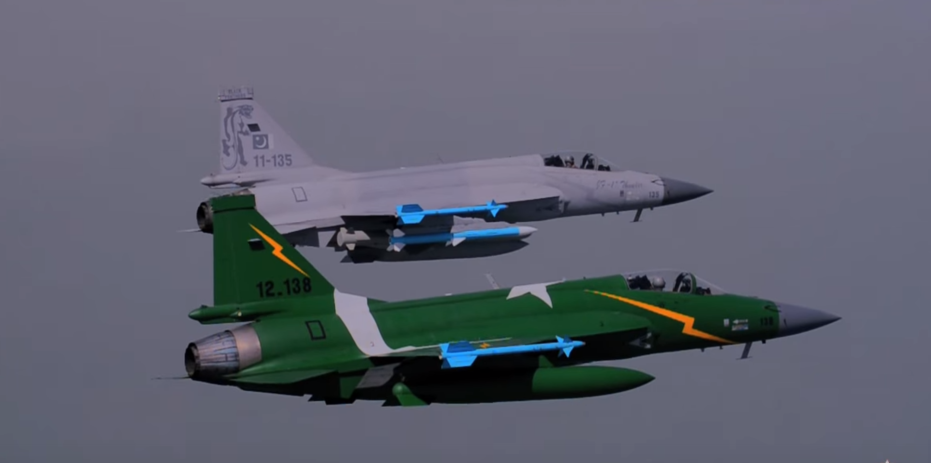
The recent India-Pakistan brief war has made it clear that Pakistan is capable of defeating its enemies (India and Israel). For example, in the recent war, Pakistan tactfully destroyed Israeli, Russian, French, and Indian war technologies and defence systems that too with indigenous warplanes (JC-10 and JF-17 Thunder fighter jets) manufactured in Pakistan with Chinese technology that has proved one of the best defence technologies in the world in the recent war.
Why are things changing rapidly?
One of the biggest reasons for this shift is that Asian countries are no longer comfortable relying on just one country (India), and they’re looking to broaden their partnerships in this region. India’s close ties with the West have made some of its neighbors a bit wary about where its true loyalties lie.
Meanwhile, Pakistan is using its amazing location to its advantage. It’s a central hub connecting South Asia, Central Asia, the Middle East, and China. The new economic corridor with China (CPEC) is a game-changing deal, and it’s bringing countries like Turkey, Iran, and Saudi Arabia to get closer to Islamabad, too.
New ways to connect and do business
CPEC is more than just a project; it’s a game-changer. The Gwadar Port, in particular, is becoming a crucial competitor to some of India’s biggest ports by offering a shorter and safer way for ships to travel. This is giving Pakistan a lot more influence in the world of trade.
The rise of tech and culture
India has been known as the go-to place for tech, but Pakistan’s young, tech-savvy population is starting to change that. With lower costs and a fast-growing number of startups, Pakistan is emerging as a real contender for global investors looking to outsource tech work.
On the cultural front, Pakistan is also making a name for itself. Its TV shows and music are gaining fame and fans, and more people are discovering the country’s incredible natural beauty and rich history. It’s a great way to show the world a different side of Pakistan.
A new security partner
Pakistan is also becoming a key player in keeping the region safe. Its location and its experience in fighting a variety of conflicts have made it a trusted security partner for many countries.
In short, the old rules of the game are being rewritten. Pakistan’s growing influence is part of a new chapter in Asia’s story, one that is more diverse and dynamic than ever before.
