


Attacks
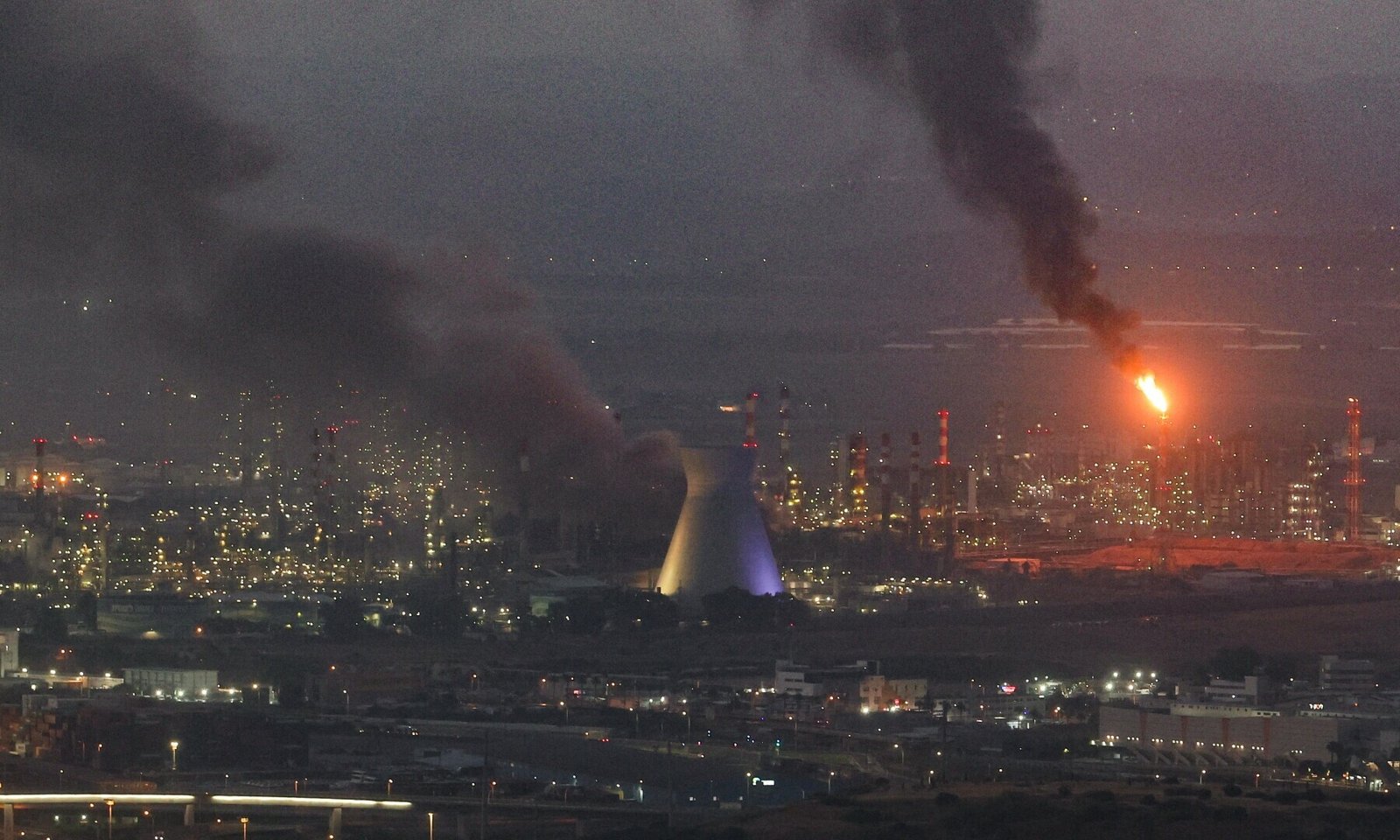
The conflict between Israel and Iran has escalated significantly, with both countries exchanging heavy blows. Israel’s Defence Minister Israel Katz threatened that the residents of Tehran would “pay the price, and soon” after Iranian missiles struck Tel Aviv and the port city of Haifa, killing at least eight people.
The latest military exchange began when Israel struck Iran’s nuclear and military sites on Friday, killing top commanders and scientists.
The Israeli attacks have resulted in significant damage and loss of life in Iran. According to Iran’s health ministry, at least 224 people have been killed, including 70 women and children, while over 1,200 have been injured.
The majority of the wounded were civilians, including women and children. In response to the attacks, Iran launched a heavy missile barrage against Israel, with the country’s military warning of a new missile salvo incoming from Iran.
The conflict has sparked fears of further escalation, with the US President Donald Trump expressing hope that a deal could be done to end the conflict. However, there is currently no sign of the fighting abating.
Russia and Turkey have offered to mediate the conflict, with Russian President Vladimir Putin and Turkish President Recep Tayyip Erdogan condemning Israel’s “act of force” against Iran and calling for an immediate cessation of hostilities.
The European Union, however, has questioned Russia’s credibility as a potential mediator, given its close ties with Iran. The EU’s foreign policy chief noted that Russia’s recent partnership agreement with Iran signals deepening cooperation across multiple areas, including foreign policy and defence.
Despite this, Putin and Erdogan have agreed to remain in close cooperation and work towards a peaceful resolution to the conflict.
Meanwhile, Iran’s President Masoud Pezeshkian has reiterated that Iran does not seek nuclear weapons but will pursue its right to nuclear energy and research. He emphasized that Iran’s nuclear program is for civilian purposes and that the country will not be deterred from its rights.
The Iranian president also called for unity and solidarity against Israeli aggression, stressing that the country’s enemies will not be able to remove Iran from the scene through violence and killings.
The conflict has also resulted in significant economic and humanitarian impacts. The Israeli military has warned citizens to seek shelter and remain indoors until further notice, while rescue teams have been dispatched to several hit sites in Israel.
In Iran, residential areas have suffered deadly strikes, with many buildings destroyed or damaged. The situation remains volatile, with both sides trading blame and threats.
In a related development, the US reportedly vetoed an Israeli plan to kill Iran’s Supreme Leader Ayatollah Ali Khamenei. According to reports, Trump had vetoed the plan, and the Israelis were told not to proceed.
The Israeli Prime Minister Benjamin Netanyahu, however, claimed that he would do what needs to be done to protect Israel’s interests.
The conflict between Israel and Iran has significant implications for the region and the world. A further escalation could lead to a wider conflict, with potentially devastating consequences.
Diplomatic efforts, therefore, are crucial to preventing a larger-scale war. The international community must work towards a peaceful resolution to the conflict, taking into account the legitimate concerns and rights of all parties involved.
