
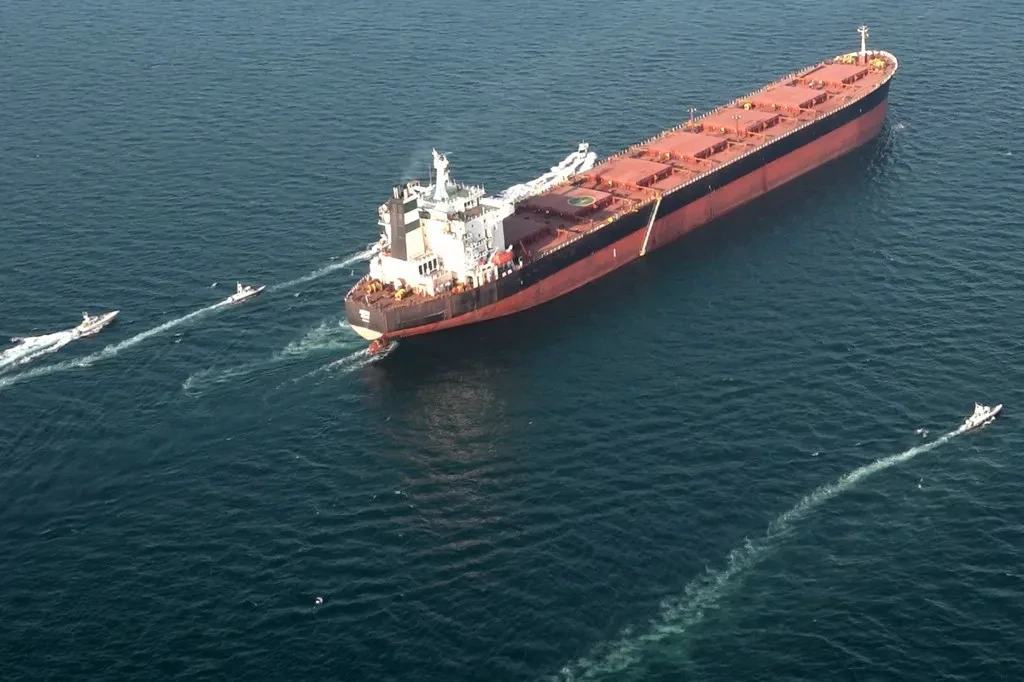

Tensions escalated in the Gulf after Iran strongly rejected claims by the US Central Command. The dispute centers on the strategic Strait of Hormuz, one of the world’s most vital energy routes. Iran dismissed reports suggesting that US forces had begun mine clearance operations in the area.
The statement was issued after comments attributed to United States Central Command. Washington had suggested increased naval activity linked to securing shipping lanes. Tehran, however, denied any such operational development.
Iran’s response was firm and direct. It warned that it retains full control over security arrangements in the region.
Iran Asserts Control Over Strategic Waterway
Iranian armed forces claimed they hold the upper hand over maritime movements in the Strait. They stressed that no foreign power can dictate conditions in the area. According to Iranian officials, security decisions remain under national authority.
The Islamic Revolutionary Guard Corps issued a clear warning. It stated that only non-military vessels are allowed safe passage through the Strait under current conditions. This position highlights Tehran’s strict security posture.
Officials further emphasized that any attempt by military ships to enter or operate in the region would trigger a strong response. The message was aimed directly at external naval forces operating nearby.
The statement reflects Iran’s long-standing policy of asserting dominance over the strategic maritime corridor.
Rising Naval Tensions in the Gulf Region
The Strait of Hormuz remains one of the most sensitive chokepoints in global trade. Nearly one-fifth of the world’s oil passes through this narrow waterway. As a result, any escalation in the region draws immediate international attention.
The US has increased its naval presence in the broader Gulf region in recent years. These deployments are often justified as measures to ensure safe shipping and deter threats. However, Iran views them as provocative.
Tensions between Tehran and Washington have repeatedly flared over maritime security. Each side accuses the other of destabilizing the region. This latest exchange adds another layer of friction.
Iran insists that its forces are capable of maintaining order without external intervention. It rejects any suggestion that foreign military units are conducting operations within its sphere of influence.
Strategic Stakes Remain High Amid Ongoing Dispute
The disagreement comes at a time of heightened geopolitical sensitivity. Energy security remains a key concern for global markets. Any disruption in the Strait of Hormuz could have immediate economic consequences worldwide.
Iran’s warnings underscore its readiness to respond to perceived threats. At the same time, the US continues to emphasize freedom of navigation and maritime security.
Despite conflicting narratives, both sides appear unwilling to back down. The situation reflects a broader pattern of mistrust and strategic competition in the Gulf.
For now, the Strait of Hormuz remains under close watch. Even minor incidents in the region have the potential to escalate quickly.

