

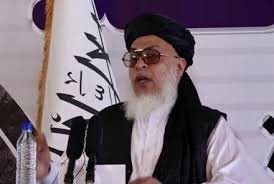

Sher Mohammad Abbas Stanekzai urges the Taliban leadership to lift restrictions on girls’ education, stating that such policies contradict Islamic Sharia law. In a recent speech, the Taliban’s acting deputy foreign minister called on the group’s leaders to reopen schools for girls, marking one of the strongest public criticisms of the ongoing school closures.
Stanekzai, who had previously led Taliban negotiations in Doha before the U.S. withdrawal from Afghanistan in 2021, emphasized that restricting girls’ and women’s education is not in line with the teachings of Islam. He cited the example of the Prophet Muhammad, who, according to him, supported equal access to education for both men and women.
Stanekzai’s remarks reflect growing internal dissent within the Taliban leadership regarding the closure of educational institutions for girls. These policies, implemented by the Taliban’s supreme spiritual leader, Haibatullah Akhundzada, have faced widespread criticism, both within Afghanistan and internationally.
While the Taliban government maintains that it respects women’s rights according to its interpretation of Islamic law, their reversal on promises to reopen girls’ high schools in 2022, along with the closure of universities for female students in late 2022, has drawn condemnation. International criticism has included calls from Islamic scholars, with Western diplomats stating that formal recognition of the Taliban is unlikely unless their policies toward women are altered.
The Taliban has yet to provide a clear timeline for the reopening of schools, despite claiming to be working on a plan. Stanekzai’s public comments have raised questions about the future direction of Taliban policies regarding girls’ education and women’s rights.
