


China’s BRI and CPEC Initiatives
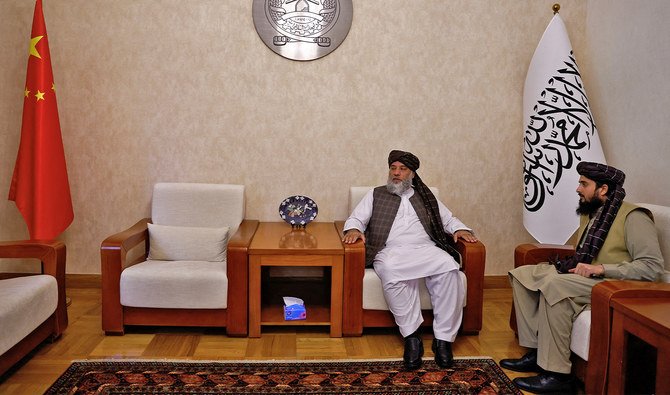
Afghanistan’s acting commerce minister announced that the Taliban administration is actively seeking to formally join the Chinese President Xi Jinping-led ‘Belt and Road‘ infrastructure initiative. This move signifies an effort to strengthen ties between Afghanistan and China, a significant shift, given the lack of international recognition for the Taliban-run government.
China has been actively engaging with the Taliban-run administration since they took control in 2021. Last month, China set a historic precedent by becoming the first country to appoint an ambassador to Kabul, signaling its intent to solidify relations with the new government.
In contrast, other nations have retained their previous ambassadors or appointed heads of mission in a charge d’affaires capacity, which avoids the formal presentation of credentials to the Taliban administration.

The acting Commerce Minister of Afghanistan, Haji Nooruddin Azizi, revealed that his government had made a formal request to China, expressing their desire to be a part of the China-Pakistan Economic Corridor (CPEC) and the broader Belt and Road Initiative (BRI). He mentioned that discussions on technical issues were underway.
In an effort to expedite this process, the Afghan administration intends to dispatch a technical team to China. The purpose of this mission is to gain a better understanding of the requirements and conditions associated with joining the initiative.
Afghanistan, with its abundant reserves of coveted mineral resources such as lithium, copper, and iron, is seen as an attractive prospect for China’s investment. Several Chinese companies are already active in the region, and they have held discussions with both the Taliban administration and the previous Western-backed government regarding significant projects like a potential copper mine.
Despite the prospect of rich resources, security remains a pressing concern for potential investors in Afghanistan. The Islamic State militant group has targeted foreign embassies and locations popular with Chinese investors in Kabul.
In response to these concerns, Azizi emphasized that security is a top priority for the Taliban administration. According to him, the security landscape in Afghanistan has improved, and more regions of the country are now considered safe due to the end of the 20-year war following the withdrawal of foreign forces.
The acting commerce minister further highlighted that the Taliban administration seeks foreign investments, and Afghanistan is now more than ever ready to welcome such opportunities. He reiterated their support for Chinese investments, particularly in projects like the copper mine.
During the Belt and Road Forum, Afghanistan and 34 other countries agreed to collaborate on the digital economy and green development, demonstrating the nation’s eagerness to actively engage with the international community and foster economic growth.
