

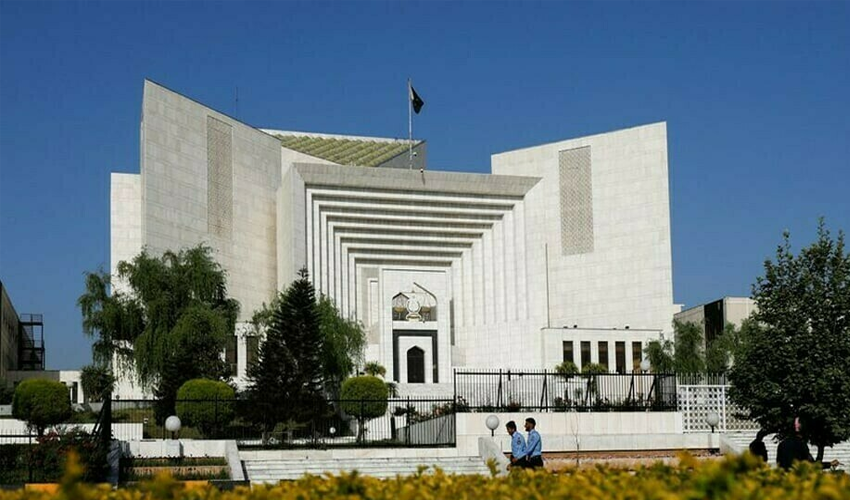

In a significant move to reform legal education in Pakistan, the Supreme Court has ordered the reduction of the LLB (Bachelor of Laws) program duration from five years to four years. The directive came during a hearing on legal education reforms held on Wednesday, marking a major shift in how law degrees will be structured in the country moving forward.
The court also ruled that the controversial Common Law Admission Test (C-Law), previously mandatory for foreign law graduates, be abolished. The decision was welcomed by many in the legal community who had long criticized the test as an unnecessary hurdle for returning graduates.
Justice Muhammad Ali Mazhar, who led the bench, emphasized the need for systemic improvements in the quality of legal education across Pakistan. He urged the Higher Education Commission (HEC) and the Pakistan Bar Council to focus on meaningful reform rather than punitive measures. “Necessary steps should be taken to improve the quality of law colleges,” he said, highlighting the importance of raising academic standards rather than shutting down institutions.
During the hearing, the court addressed concerns regarding SM Law College, one of the country’s oldest and most respected law institutions. Justice Mazhar acknowledged its historical significance, noting that the college predates the creation of Pakistan and should not be closed. “If there is any deficiency in SM Law College, then it should be rectified—not shut down,” he remarked.
While the court has postponed further hearings in the case for an indefinite period, it made clear that the process of reform will continue under judicial oversight. The ruling is seen as a crucial first step toward modernizing legal education and improving the professional standards of future lawyers in Pakistan.
