

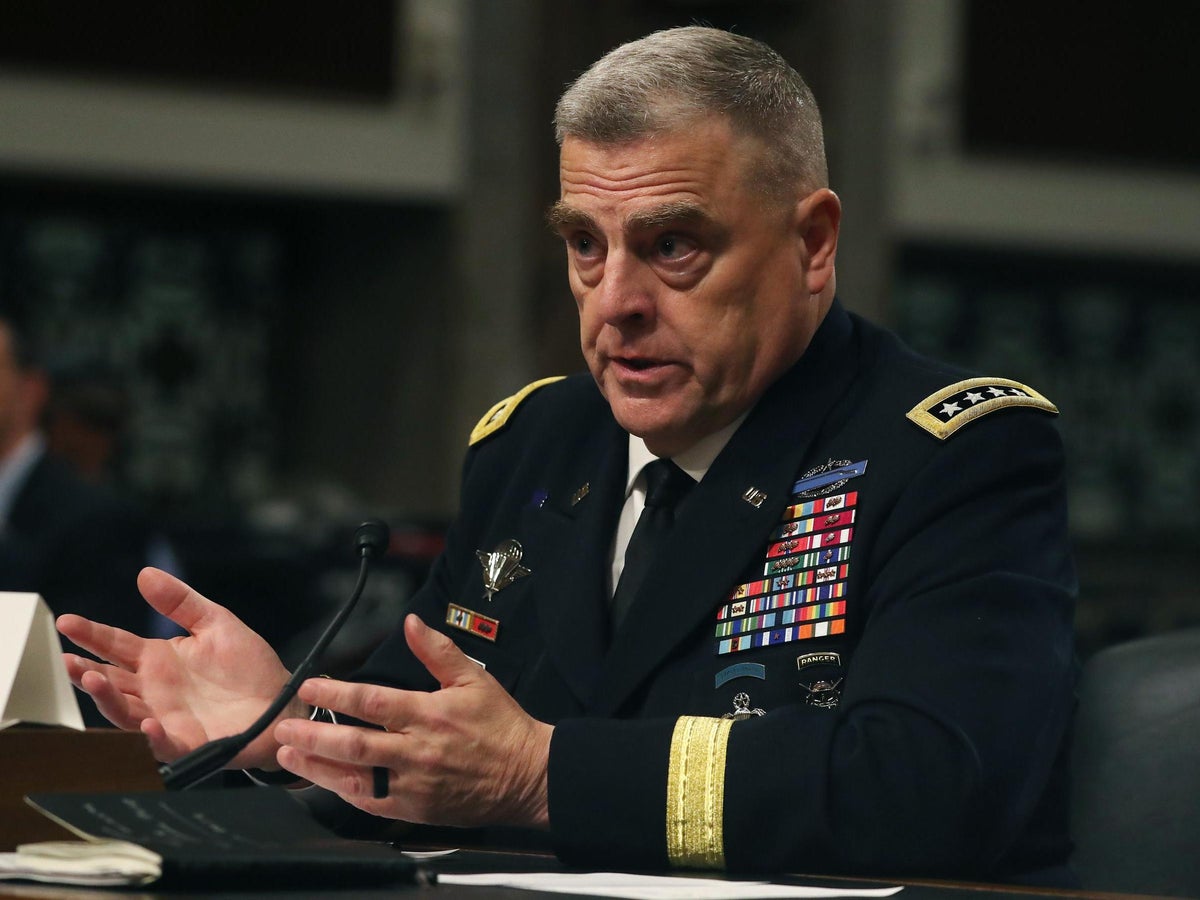

The US President Trump’s deal with Taliban in Qatar also led to the failure of the US army and Afghan government in Afghanistan.
Senior military officials in the United States have linked the abrupt collapse of the Afghan government and its security forces in August to former President Donald Trump’s deal with the Taliban in 2020 promising a complete withdrawal of US troops.
General Frank McKenzie, the head of Central Command, told the House Armed Services Committee on Wednesday that once the US troop presence was pushed below 2,500 as part of Washington’s bid to complete a total withdrawal by the end of August, the unravelling of the US-backed Afghan government accelerated.
“The signing of the Doha agreement had a really pernicious effect on the government of Afghanistan and on its military – psychological more than anything else, but we set a date – certain for when we were going to leave and when they could expect all assistance to end,” McKenzie said.
He was referring to a February 29, 2020, agreement that the Trump administration signed with the Taliban in Doha, Qatar, in which the US promised to fully withdraw its troops by May 2021 and the Taliban committed to several conditions, including stopping attacks on US and coalition forces.
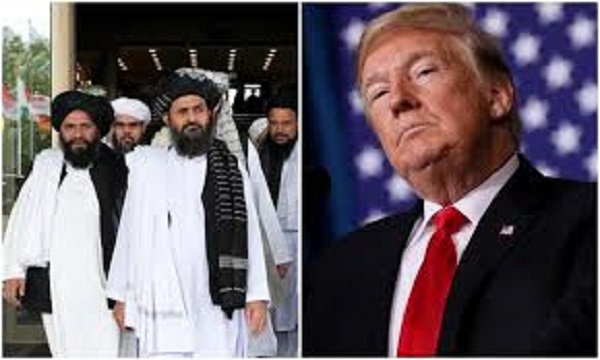
The stated objective was to promote a peace negotiation between the Taliban and the Afghan government, but that diplomatic effort had failed to gain traction before former US President Donald Trump was replaced by President Joe Biden in January.
The new US president pushed ahead with the plan for the troop withdrawal but extended the deadline to August 31.
McKenzie said he also had believed “for quite a while” that if the US reduced the number of its military advisers in Afghanistan below 2,500, the collapse of the government in Kabul would be inevitable “and that the military would follow”.
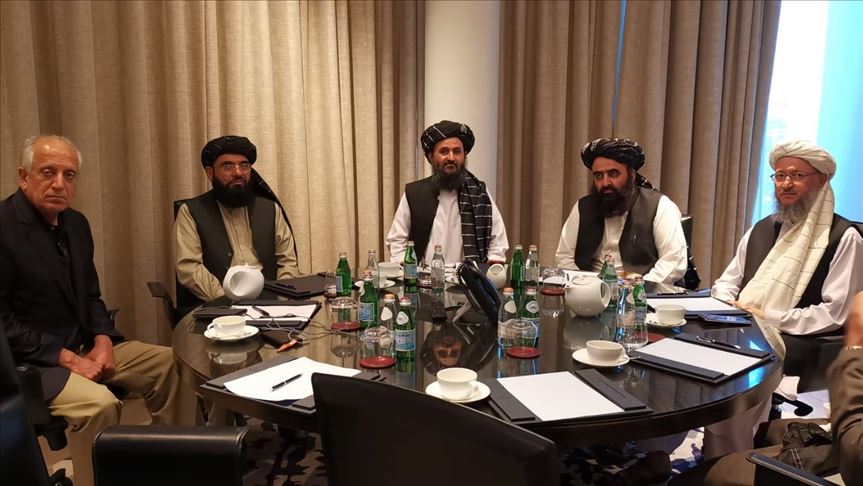
He said in addition to the morale-depleting effects of the Doha agreement, the troop reduction ordered by Biden in April was ”the other nail in the coffin” for the 20-year war effort because it blinded the US military to conditions inside the Afghan army, “because our advisers were no longer down there with those units”.
Defense Secretary Lloyd Austin, testifying alongside McKenzie, said he agreed with McKenzie’s analysis.
He added that the Doha agreement also committed the US to ending air attacks against the Taliban, “so the Taliban got stronger, they increased their offensive operations against the Afghan security forces, and the Afghans were losing a lot of people on a weekly basis”.
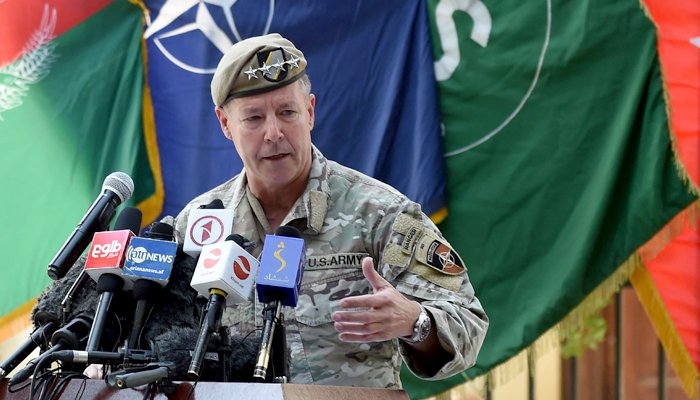
‘Strategic failure’
Wednesday’s House hearing is part of what is likely to be an extended congressional review of the US failures in Afghanistan, after years of limited congressional oversight of the war, which has cost billions of dollars of taxpayers’ money.
General Mark Milley, chairman of the Joint Chiefs of Staff, had said a day earlier in a similar hearing in the Senate that the war in Afghanistan was a “strategic failure,” and he repeated that at the House hearing.
Milley listed a number of factors responsible for the US defeat going back to a missed opportunity to capture or kill al-Qaeda leader Osama bin Laden at Tora Bora soon after the US invasion of Afghanistan in 2001.
He also cited the 2003 decision to invade Iraq, which shifted US troops away from Afghanistan, “not effectively dealing with Pakistan as a (Taliban) sanctuary,” and pulling advisers out of Afghanistan a few years ago.
Biden has faced the biggest crisis of his presidency over the war in Afghanistan, which he argued needed to be brought to a close after 20 years stalemated fighting that had cost American lives, drained resources and distracted from greater strategic priorities.
Republicans have accused Biden of lying about the military commanders’ recommendations to keep 2,500 troops in the country, playing down warnings of the risks of a Taliban victory, and exaggerating the US’s ability to prevent Afghanistan from again becoming a safe haven for armed groups like al-Qaeda.
“I fear the president may be delusional,” said Mike Rogers, the top Republican on the House of Representatives Armed Services Committee, calling the withdrawal an “unmitigated disaster”.
“It will go down in history as one of the greatest failures of American leadership,” Rogers said.
