

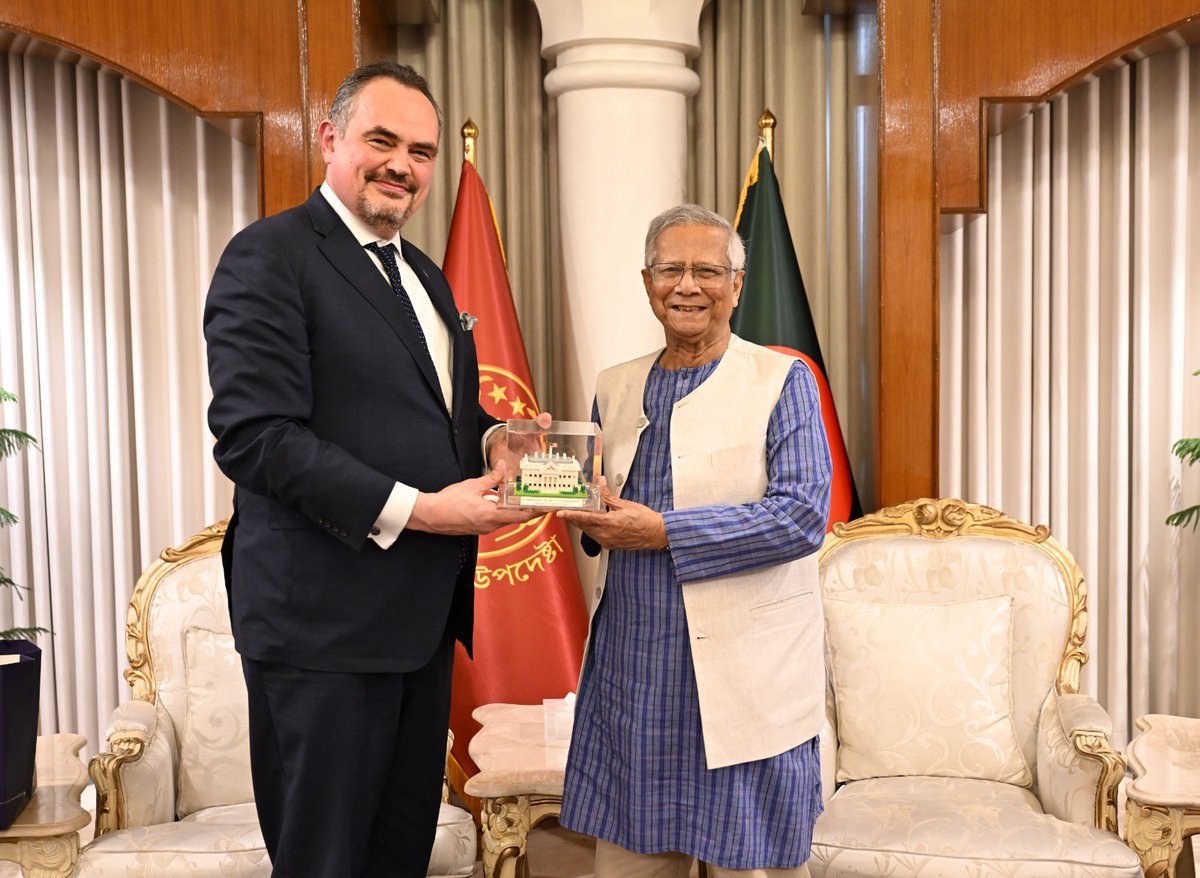

The United States is preparing to supply Bangladesh with advanced defence equipment as alternatives to Chinese military technology. This move aims to curb China’s growing influence in South Asia. The announcement comes just before Bangladesh’s crucial general election. The vote follows political upheaval that has shifted the region’s power balance.
US Ambassador to Bangladesh Brent T Christensen emphasized that Washington seeks closer security cooperation with Dhaka. He noted that the United States can provide defence systems directly or through allied partners. These systems are intended to strengthen Bangladesh’s military capabilities. The initiative also signals a strategic effort to counter China’s expanding defence footprint in the region.
Meanwhile, China has increased its engagement with Bangladesh. Recently, Beijing signed a defence agreement to build a drone manufacturing facility near the Indian border. This development alarmed foreign diplomats. Analysts view it as part of China’s broader regional security strategy.
China, however, defended its cooperation with Bangladesh. Officials described their partnership as mutually beneficial and insisted it targets no third country. They also warned against any external interference in their bilateral relations.
Political Shifts Reshape Regional Dynamics
Bangladesh’s political landscape has changed dramatically since a Gen Z-led uprising in August 2024 toppled former Prime Minister Sheikh Hasina. She later sought refuge in New Delhi, which caused India’s influence in Bangladesh to weaken. Consequently, China gained more strategic space in the country.
The upcoming election will decide Bangladesh’s next government. Two main coalitions are competing: one led by the Bangladesh Nationalist Party (BNP) and the other by Jamaat-e-Islami (JI). Opinion polls suggest that the BNP coalition may have an advantage.
The United States has stated it will work with whichever government is elected. However, Washington stressed the importance of stable Bangladesh-India relations. Tensions between Dhaka and New Delhi have increased since Hasina’s departure. Visa services have slowed, and even cricket ties between the two nations have weakened. Consequently, regional stability remains a major concern for policymakers.
Trade, Investment, and Humanitarian Support Are Key Priorities
Beyond defence cooperation, the United States is strengthening commercial diplomacy with Bangladesh. Washington wants the next government to demonstrate that the country is open to foreign investment. US businesses are watching closely for opportunities. However, high taxes and difficulties in repatriating profits have discouraged many investors.
Energy giant Chevron continues to operate in Bangladesh. In contrast, few major US firms have a visible presence in the country’s large market. The United States hopes that policy reforms will attract broader business engagement. Furthermore, economic cooperation remains a central element of bilateral relations.
Humanitarian support also plays a significant role in US-Bangladesh relations. Bangladesh currently hosts approximately 1.2 million Rohingya refugees. The United States remains the largest contributor to these relief efforts. Recently, Washington backed a global funding framework with the United Nations to improve aid efficiency.
However, ongoing funding shortfalls continue to challenge refugee assistance programs. Limited resources have led to cuts in food rations, and several schools serving refugees have closed. US officials urged other international donors to increase support. They stressed that humanitarian operations can only succeed through coordinated global action.
