

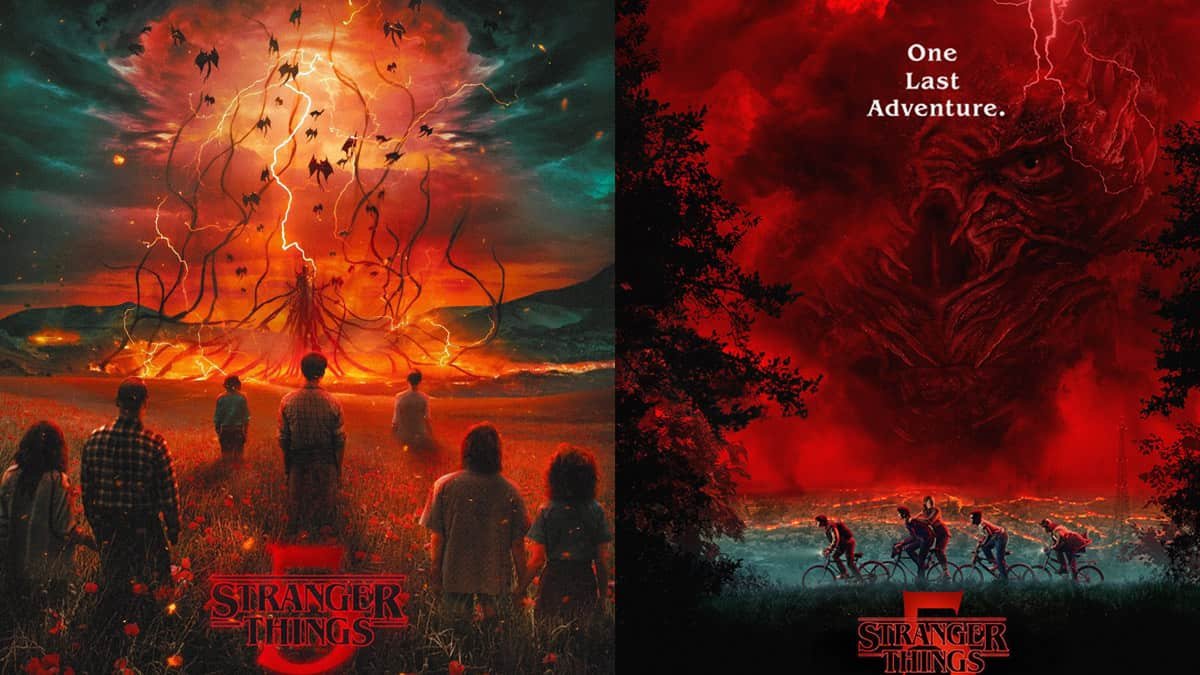

As Stranger Things Season 5 launches this week with a three-part release strategy, the finale represents more than just the conclusion of Netflix’s flagship series it symbolizes a fundamental transformation in how streaming platforms approach content creation and audience engagement.
The Golden Age of Netflix Tentpoles
When Stranger Things debuted in 2016, Netflix dominated the streaming landscape through ambitious tentpole productions designed to capture widespread attention. Alongside groundbreaking series like House of Cards, Orange Is the New Black, and Marvel’s live-action universe, the nostalgic sci-fi horror drama became a cultural juggernaut that transcended typical viewership patterns.
The show’s early seasons didn’t just attract subscribers they sparked global conversations, influenced entertainment trends, and inspired countless ’80s-themed productions across Hollywood. This phenomenon positioned Netflix as the epicenter of contemporary pop culture, making subscriptions feel essential rather than optional.
Netflix’s Evolution Beyond Event Programming
However, Netflix’s business model has undergone significant changes since Stranger Things’ initial success. The streaming giant no longer publicly discloses quarterly subscriber metrics, shifting focus toward alternative revenue streams. Price increases and advertising-supported subscription tiers now drive economic expansion, signaling a strategic pivot away from relying solely on blockbuster content.
While Netflix has produced numerous hits following Stranger Things’ breakthrough, the platform’s approach has evolved considerably. The emphasis on creating watercooler moments that dominate public discourse appears less central to the company’s long-term vision.
Read more… Bill Skarsgård’s Pennywise Return in ‘It: Welcome to Derry’ Explained
A New Streaming Reality
The staggered release schedule for Stranger Things Season 5—distributed across multiple months rather than dropped simultaneously—reflects this changing philosophy. Rather than engineering singular cultural events, Netflix now prioritizes sustained engagement through diverse content offerings and flexible monetization strategies.
As the Hawkins saga concludes, it marks the end of an era when tentpole programming defined streaming success, ushering in a more fragmented, economically diversified entertainment landscape.
