

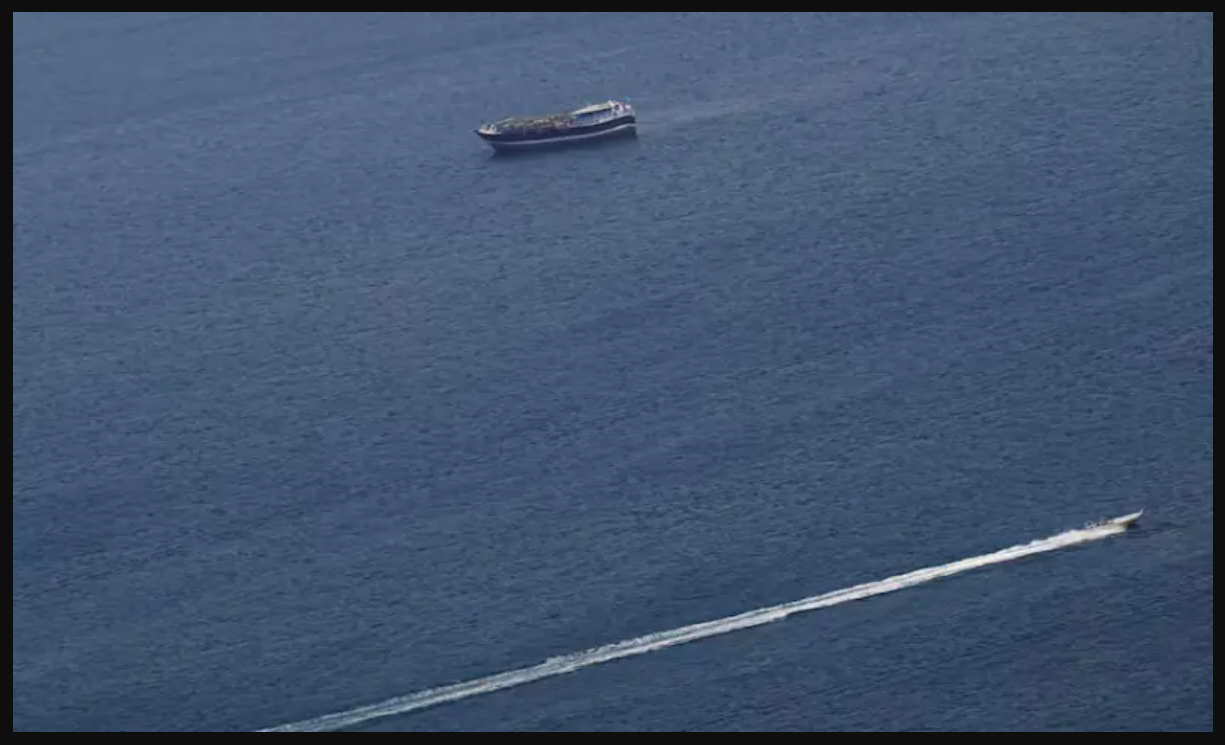

The United States military destroyed 16 Iranian mine-laying boats near the Strait of Hormuz amid escalating regional tensions.
Officials said the operation aimed to protect international shipping routes and prevent disruptions to global energy supplies.
Earlier, US authorities confirmed that 10 inactive mine-laying vessels had already been destroyed during related operations.
The developments followed concerns that mines could be placed in the strategic waterway. Consequently, fears about maritime security increased sharply.
The Strait of Hormuz remains one of the world’s most critical energy corridors. Nearly one-fifth of global oil and liquefied natural gas shipments normally pass through it.
Warning Issued Over Possible Naval Mines
US leadership warned that any mines deployed in the Strait must be removed immediately.
Officials stated that military consequences could follow if such actions continued. However, no operational details were disclosed publicly.
Authorities also said advanced monitoring technology was being used to detect vessels attempting to mine the waterway.
This technology previously targeted maritime drug trafficking operations in other regions. Now, it supports efforts to secure strategic sea lanes.
Pentagon Confirms Strikes on Maritime Assets
Defense officials confirmed strikes against mine-laying vessels and related storage facilities.
The actions came as tensions linked to the ongoing US-Israel conflict with Iran intensified across the region.
Shipping activity through the Strait has already slowed significantly. As a result, global markets remain concerned about energy supply stability.
Analysts warn that prolonged disruption could increase pressure on international fuel prices.
US Considers Escort Operations for Commercial Ships
Military leadership said planners were reviewing options to escort commercial vessels if required.
Officials explained that multiple operational scenarios were under consideration. Nevertheless, escort missions have not yet begun.
Shipping companies reportedly requested naval protection almost daily. However, the US Navy has not approved routine escort operations so far.
Earlier claims suggesting an escorted oil tanker later proved inaccurate. Authorities clarified that an online post describing such an escort contained incorrect information.
The statement was subsequently removed after verification.
Conflicting Claims Raise Regional Tensions
Iranian military representatives rejected claims that any oil tanker received US naval protection.
They also warned that movements by foreign fleets in the region would face military response if necessary.
These competing narratives highlight growing uncertainty surrounding maritime security in the Gulf region.
Meanwhile, global observers continue monitoring developments closely because the Strait plays a vital role in international trade.
Global Energy Security at Stake
The escalating situation underscores how geopolitical conflict can quickly threaten global energy flows.
Even limited disruptions in the Strait of Hormuz create ripple effects across oil markets worldwide.
Therefore, securing maritime routes has become a priority for major powers involved in the crisis.
As tensions persist, shipping companies and energy markets remain cautious. Future developments in the region will likely influence global fuel stability in the coming weeks.
