


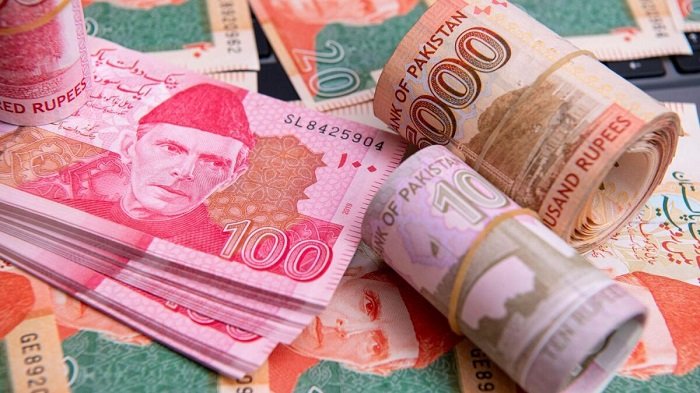
KARACHI: The State Bank of Pakistan (SBP) has decided to keep the policy rate unchanged at 11%, maintaining its cautious monetary stance as it balances moderate inflation, stabilization measures, and ongoing economic uncertainties.
Despite calls from the business community for a rate cut, the central bank is adopting a measured approach as economic data continues to evolve.
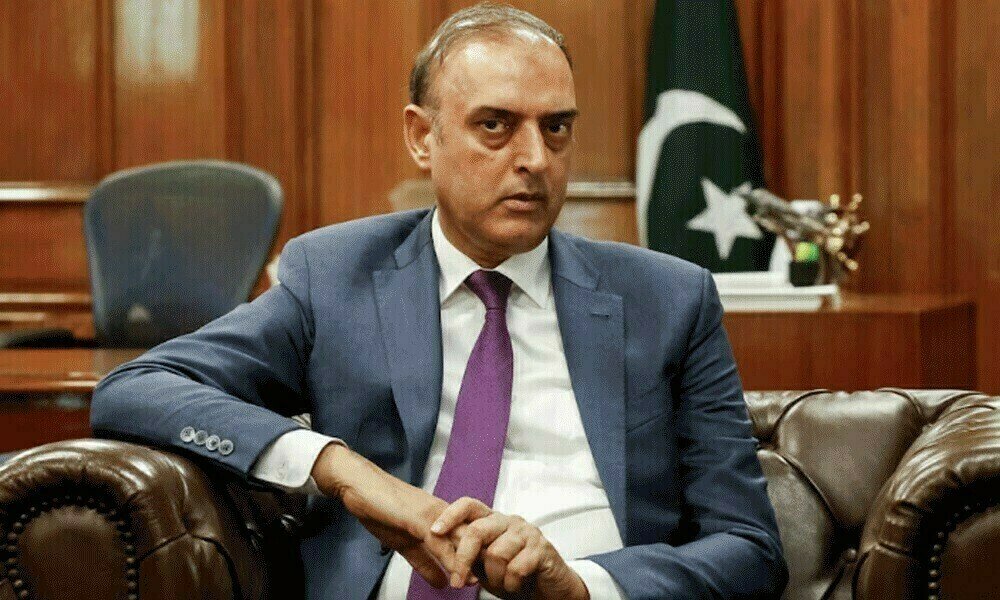
SBP Governor Jameel Ahmad explained that inflation has remained slightly below the target range of 5–7% in recent months but warned that upward pressures are beginning to re-emerge due to anticipated energy price hikes and external risks.
“The Monetary Policy Committee reviewed the external account situation in detail and, considering the potential impact of energy price adjustments, decided to keep the policy rate unchanged,” Ahmad said.
He added that holding the rate steady aims to anchor inflation expectations and preserve macroeconomic stability.
The decision reflects the SBP’s broader objective of containing inflation while supporting the country’s gradual economic recovery.
IMF lowers economic growth: SBP keeps policy rate unchanged
Meanwhile, The International Monetary Fund has lowered economic growth estimate for Pakistan during the current financial year, below the government’s projection.
The Fund has projected Pakistan’s economic growth rate at 3.6% for 2025-26, falling short of the government’s target of 4.2%, according to its latest World Economic Outlook Update, released today.
While the IMF expects Pakistan’s growth to outpace the anticipated global average of 3% in 2025 and 3.1% in 2026, the pace remains insufficient to meet the country’s domestic expectations and development goals.
The global lender attributed the slower growth forecast to a combination of internal and external challenges. It noted that despite easing global inflation and gradually improving financial conditions, geopolitical tensions, potential tariff hikes, and growing policy uncertainty continue to pose risks to global economic growth.
“These factors could negatively impact emerging markets such as Pakistan,” the report cautioned, emphasizing the need to restore investor confidence and create favorable financial and policy conditions.
The outlook comes as Pakistan implements economic reforms under the IMF-supported programme. Although indicators such as inflation and the current account deficit show signs of improvement, the Fund warned that growth remains fragile and susceptible to external shocks.
The report also highlighted that geopolitical risks—particularly conflicts in Europe and the Middle East—threaten global economic stability and supply chains.
“Despite global headwinds, Pakistan’s growth projection still outpaces that of the broader global economy,” the IMF observed, suggesting a relative improvement compared to previous years.
