

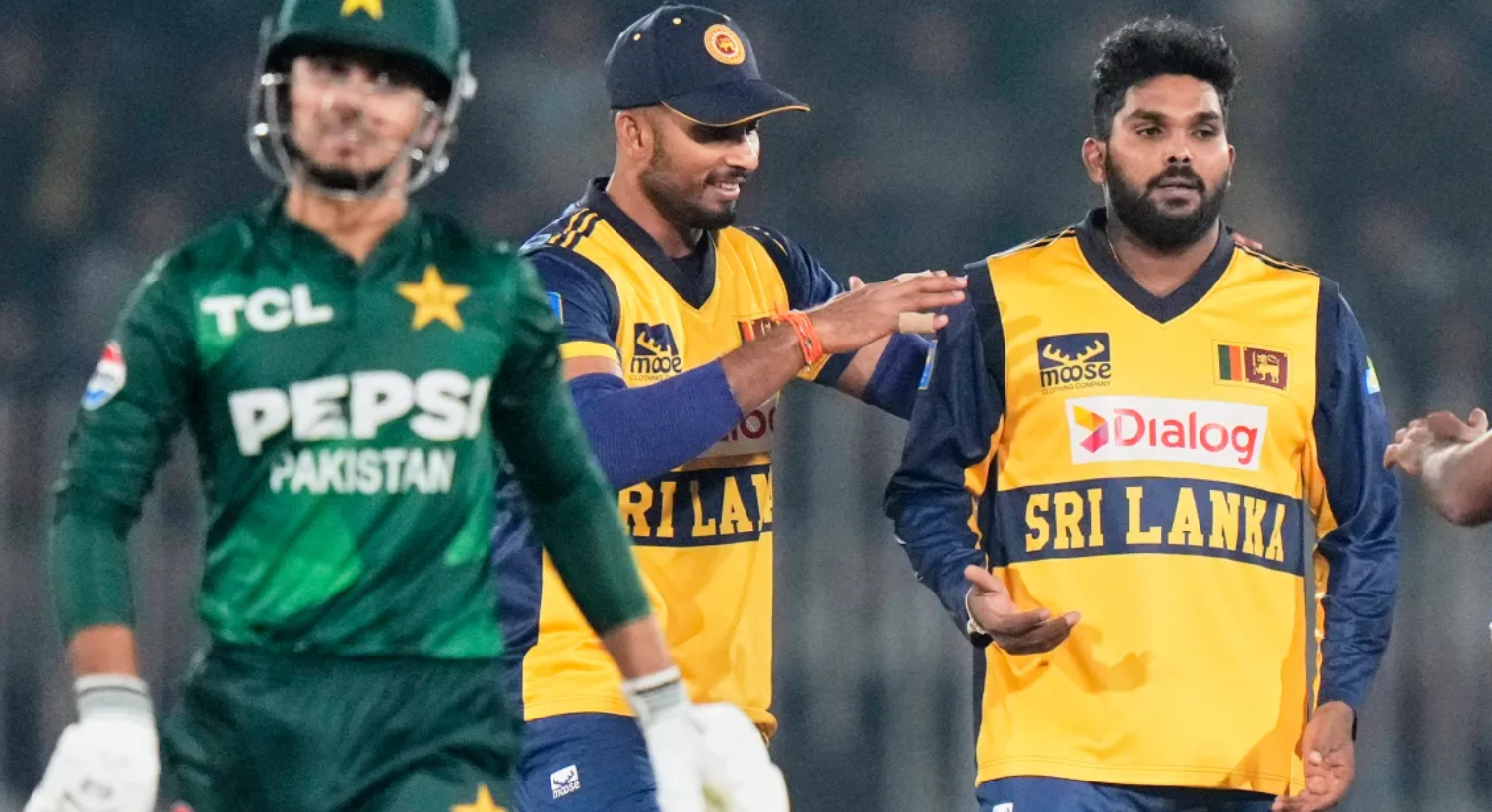

Sri Lanka Cricket has formally asked Pakistan to reconsider its decision to boycott the upcoming match against India. The appeal comes ahead of the T20 World Cup 2026, where the fixture holds major sporting and commercial importance.
According to informed sources, the Sri Lanka Cricket president sent a detailed letter to the Pakistan Cricket Board. The letter highlighted serious concerns over the potential consequences of skipping the high-profile encounter. Moreover, it urged both the PCB and the Pakistani government to review the decision carefully.
The communication warned that cancelling the Pakistan–India match could trigger significant financial losses. These losses would not affect one board alone. Instead, they could impact global cricket revenues and tournament planning.
Importantly, Sri Lanka Cricket stressed that the Pakistan–India clash remains one of cricket’s most watched fixtures worldwide. Therefore, its absence could reduce broadcasting value and sponsor confidence. As a result, tournament stakeholders may face unexpected revenue shortfalls.
Furthermore, the letter pointed out that the scheduled match on February 15 holds symbolic and commercial weight. The fixture traditionally attracts global audiences across multiple regions. Consequently, its cancellation may weaken the overall appeal of the T20 World Cup.
Sri Lanka Cricket also noted that major tournaments rely on marquee matches for financial stability. Without such games, organisers may struggle to meet projected earnings. In addition, smaller cricketing nations could feel indirect financial pressure.
Sources said the letter requested a fresh review of the matter at both administrative and governmental levels. Sri Lanka Cricket believes dialogue could help find a workable solution. Hence, it encouraged reconsideration rather than confrontation.
Meanwhile, officials remain cautious about escalating the issue publicly. However, the letter reflects growing concern within cricketing circles. Many fear that continued uncertainty could disrupt tournament preparations.
The Pakistan–India rivalry carries unmatched global interest. Therefore, decisions around the fixture affect more than bilateral relations. They shape the future commercial health of international cricket events.
At this stage, Pakistan has not issued an official response to the request. Still, discussions are expected to continue behind closed doors. Observers believe clarity is crucial before final tournament schedules are confirmed.
As the T20 World Cup approaches, cricket boards hope for stability and cooperation. Ultimately, stakeholders want the focus to remain on competition rather than controversy.
