

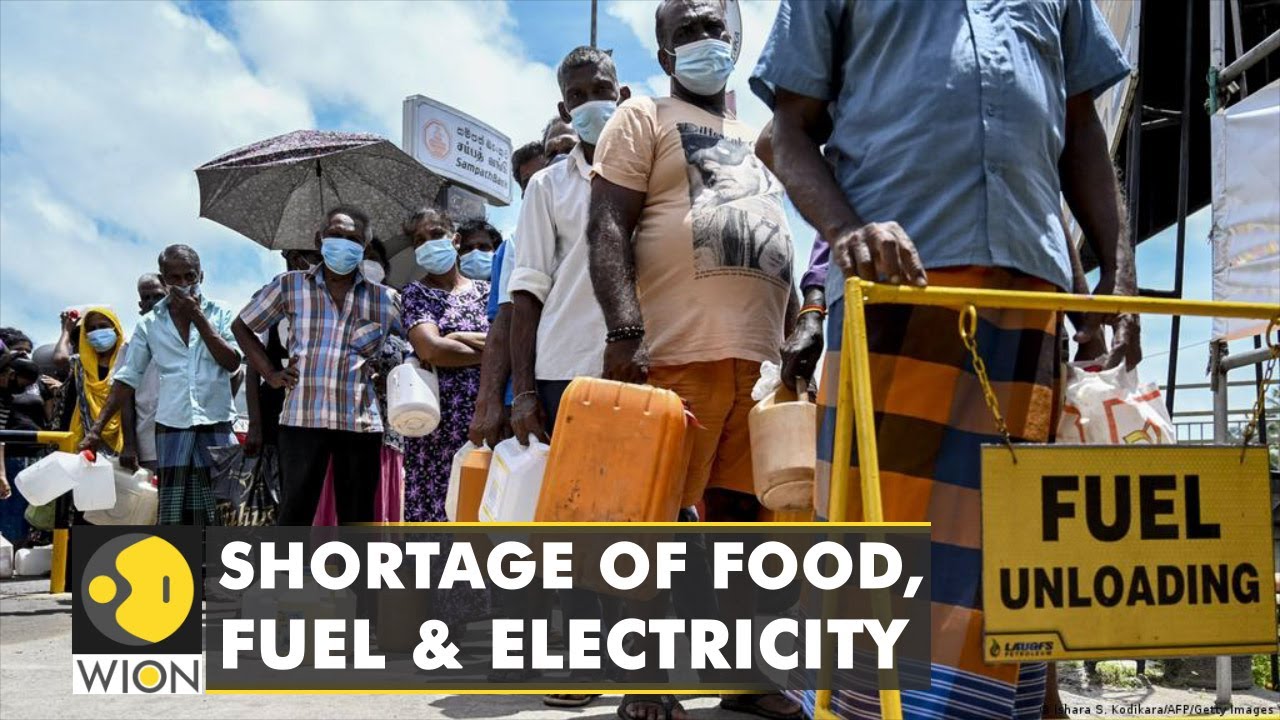

COLOMBO: Sri Lankan government today declared bankruptcy saying it was not in a position to pay foreign debts.
During the past few months, Sri Lanka has been facing financial crisis which eroded its foreign exchange reserves and led to a bankruptcy today (April 12).
Crisis-ridden Sri Lanka on Tuesday said it was defaulting on its external debt of around $51 billion _ pending a bailout from the International Monetary Fund. Sri Lanka’s finance ministry said creditors, including foreign governments, were free to capitalise interest payments due from Tuesday afternoon or opt for payback in Sri Lankan rupees.
For Zahara Zain, the current times in Sri Lanka are reminiscent of the early 1970s, when the country was fighting for its survival amid crippling food shortages.
“It almost feels like we are re-living the 1970s when everything was rationed,” said Zain, a small food business owner from the capital of Colombo. She said daily life has become a struggle for most Sri Lankans as the price of many basic food items have skyrocketed due to limited supply.
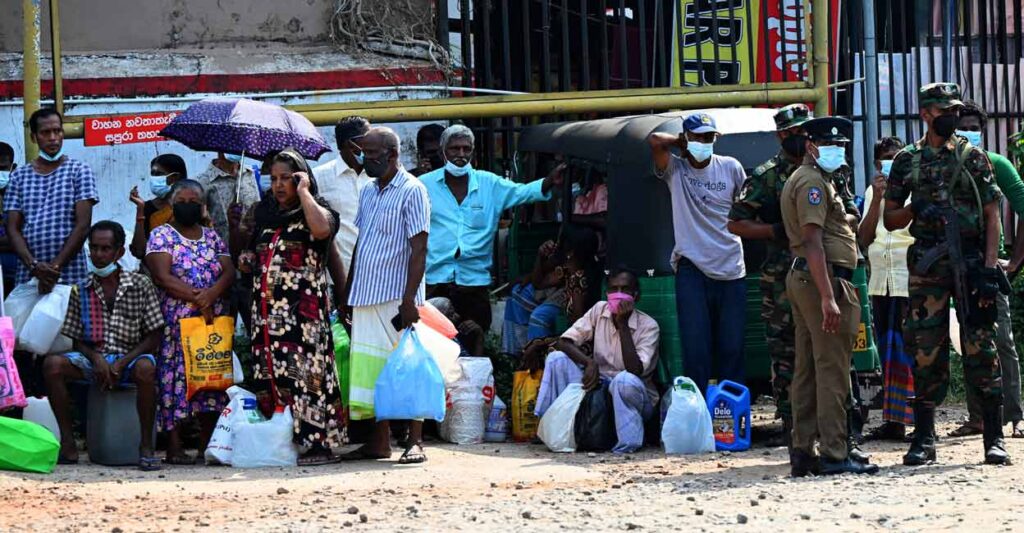
Sri Lanka is facing the double whammy of rising prices and high debt, and its people are bearing the brunt of it as the domestic situation turns increasingly grim.
“Milk has been rationed together with other food items, like rice and sugar,” said the mother of two young children. She used to be able to buy 1kg of milk power, but now, shops are only allowed to sell 400g.
“How can that be enough? I have children who need milk,” Zain told CNBC. Besides, the price of milk has shot up by almost a $1 for every kilogram, she said.
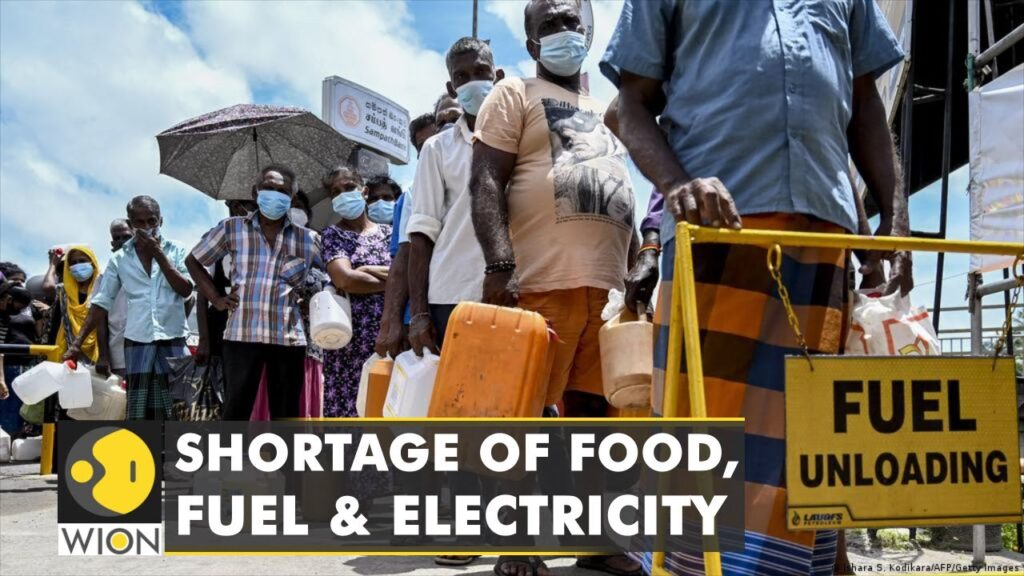
The shortage of U.S. dollars in the country has led to a ripple effect on the prices of most food items and raw materials that are essential for her food business, Zain said. “The situation is really bad and people are suffering.”
The economic pain has further complicated Sri Lanka’s increasingly difficult external debt crisis, analysts said.
Policymakers are struggling with “the dual challenge of managing overseas debt repayments while meeting domestic needs,” said Shahana Murkherjee, an economist at Moody’s Analytics.
Spiraling debt
Sri Lankan President Gotabaya Rajapaksa declared an economic emergency in September. It allowed the government to take control of the supply of basic food items, and set prices to control rising inflation, which spiked to 14.2% in January.
The South Asian country’s tourism dollars dried up due to the pandemic. But even before then, Sri Lanka’s debt spiral was already on an unsustainable path, economists said.
