
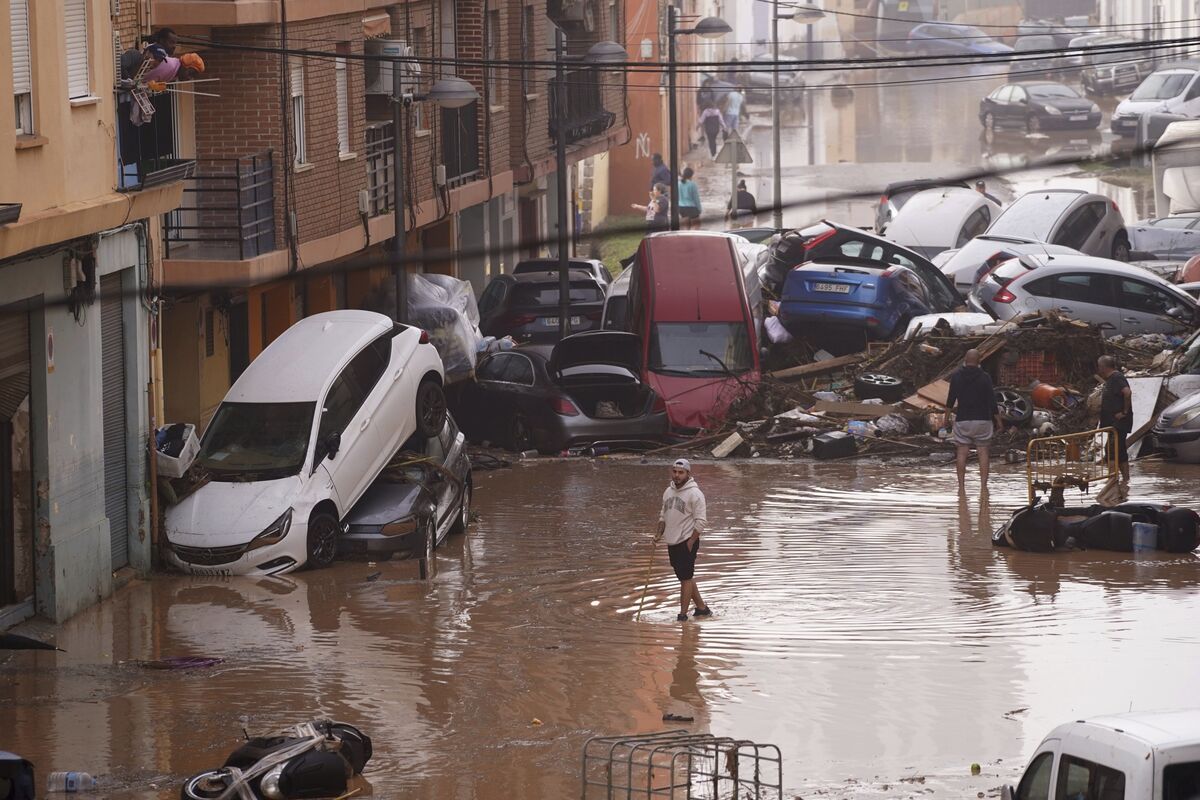

Spain has experienced its wettest start to the year in almost 50 years. Severe storms and heavy rainfall hit the country from late December through February. Officials say the extreme weather has caused flooding, evacuations, and deaths in several areas.
According to the national weather agency Agencia Estatal de Meteorología, January and February 2026 were the rainiest in 47 years. Meteorologists say the unusual rainfall highlights the growing impact of climate change across southern Europe.
Weather experts reported that a series of powerful storms swept across the country. The storms brought intense rain, strong winds, and dangerous flooding to many regions.
Eleven Powerful Storms Batter Spain
Spain was hit by eleven major storms between late December and mid-February. These storms delivered persistent rainfall across many parts of the country.
Meteorologist Ruben del Campo said the extreme weather was highly unusual. He described the rainfall levels during January and February as extraordinary.
One of the most damaging weather systems was Storm Leonardo. The storm caused severe flooding in several regions and triggered emergency evacuations.
The municipality of Grazalema in southern Spain was among the hardest hit. The town received more than a full year’s expected rainfall in just a few days.
The heavy rain created serious flood risks. Authorities feared landslides due to saturated ground and rising water levels. As a precaution, officials evacuated the entire town to ensure public safety.
Despite the emergency response, two people lost their lives during the storm. Rescue teams and local authorities worked to manage the dangerous conditions caused by flooding and strong winds.
Climate Change Linked to Extreme Rainfall
Experts believe the intensity of these storms reflects the growing impact of climate change. Scientists say warmer oceans and rising global temperatures are changing weather patterns.
According to meteorologists, warmer seas increase evaporation. This allows more moisture to enter the atmosphere. At the same time, warmer air can hold larger amounts of water vapor.
These conditions often result in heavier rainfall during storms. Weather experts say the extreme rain seen during Storm Leonardo shows clear signs of these climate changes.
The Iberian Peninsula is considered particularly vulnerable to climate change. The region already experiences long and intense heatwaves during summer months.
In recent years, scientists have also observed more frequent episodes of heavy rainfall and severe storms across Spain.
Warmer Winters and Future Weather Risks
Spain has also recorded a series of unusually warm winters. According to AEMET, the country has now experienced eight consecutive warm or very warm winters.
Meteorologists say this trend is unprecedented in their records. Average temperatures have remained consistently above normal levels during the winter season.
Experts warn that warmer winters may continue to affect rainfall patterns and extreme weather events.
Neighboring Portugal also reported unusually high rainfall. The Portuguese weather agency Instituto Português do Mar e da Atmosfera confirmed that February 2026 was the wettest in 47 years.
Looking ahead, forecasters expect warmer weather to continue. Meteorologists estimate there is a 50 percent to 70 percent chance that the coming spring will also be warmer than usual in Spain.
Scientists say these trends show how climate change is increasingly shaping weather patterns across Europe. Governments and communities may need stronger preparation strategies to deal with extreme weather events in the future.

