


Moving from Reaction to Preparedness
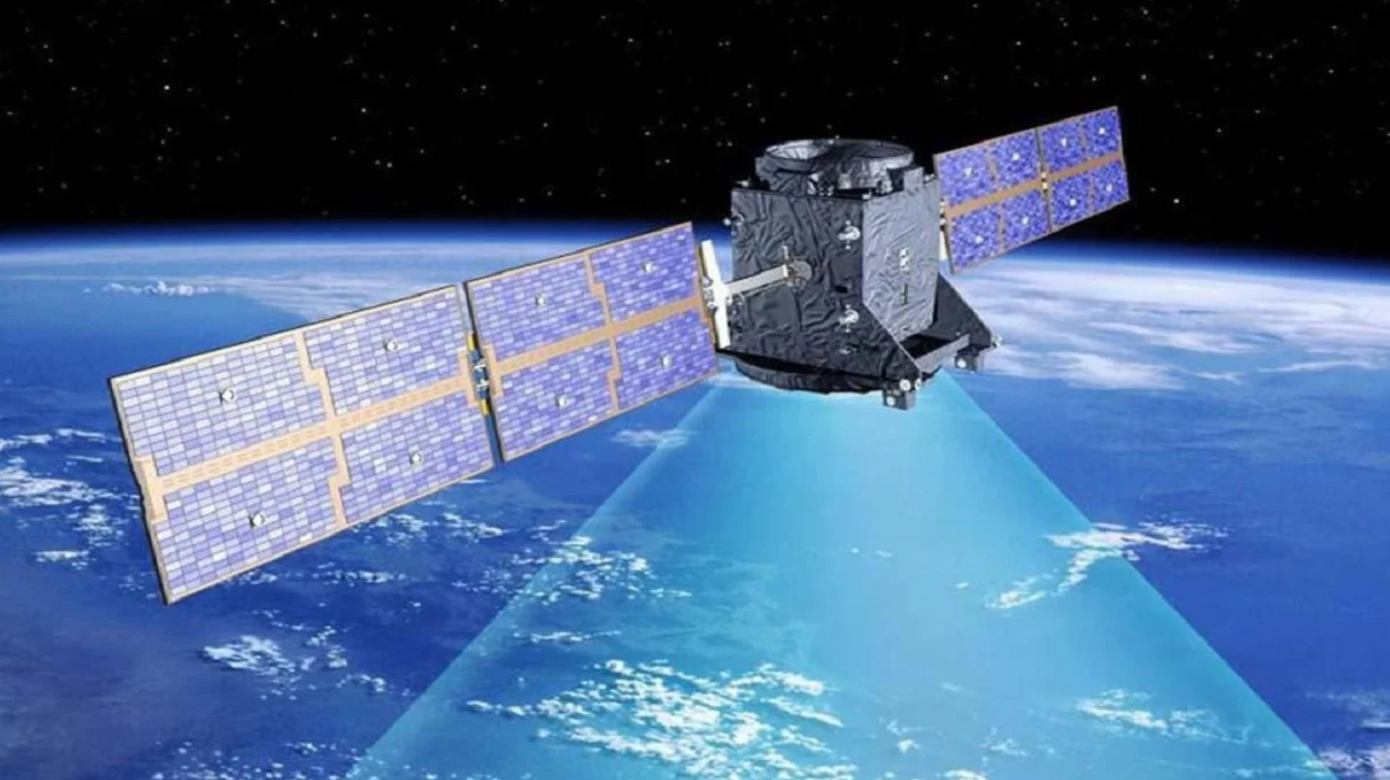
Pakistan is increasingly turning to space-based applications to strengthen its disaster management strategies. The initiative aims to shift the country’s approach from reactive measures to proactive preparedness, ensuring lives and resources are safeguarded before natural calamities strike.
Officials highlighted that using satellite data, remote sensing, and geospatial tools can significantly improve early warning systems. This marks an important step in building national resilience against disasters.
Importance of Proactive Planning
Experts emphasize that disaster management is not only about responding after an event. Instead, it requires strong systems that anticipate and mitigate risks. Proactive readiness allows authorities to minimize loss of life and damage to infrastructure.
By integrating space technology into disaster response frameworks, decision-makers will have timely and actionable information. This ensures scarce resources are deployed where they are most needed.
How Space-Based Tools Support Risk Reduction
Satellite imagery and geospatial mapping provide precise data to identify vulnerable areas. These technologies allow constant monitoring of climate patterns, river flows, and seismic activities. As a result, communities at risk can be alerted earlier.
Such tools also strengthen national disaster policies. They create a foundation where adaptation and mitigation strategies advance together. With accurate information, governments can develop targeted safety measures, build stronger infrastructure, and support vulnerable populations.
Enhancing Early Warning Systems
Early warning systems supported by space data enable timely alerts for floods, cyclones, and droughts. By monitoring risks in advance, authorities can plan evacuations and resource allocation more efficiently.
In the long term, this approach not only saves lives but also reduces economic losses. Stronger disaster preparedness boosts public confidence and enhances national stability.
Building National and Global Collaboration
International collaboration plays a critical role in making these efforts successful. By aligning with global best practices and sharing data, Pakistan can strengthen its own resilience while contributing to regional safety.
This cooperative model ensures that technological innovations are applied effectively. It also positions the country as an active participant in global disaster risk management initiatives.
Benefits Beyond Disaster Response
The integration of space-based applications has broader benefits. It supports sustainable development by protecting agriculture, infrastructure, and natural resources. Reliable data also helps in urban planning, climate adaptation, and environmental conservation.
By prioritizing science-driven policies, the country can protect communities, reduce losses, and create a more resilient future.
