


STC Rejects Saudi Withdrawal Request
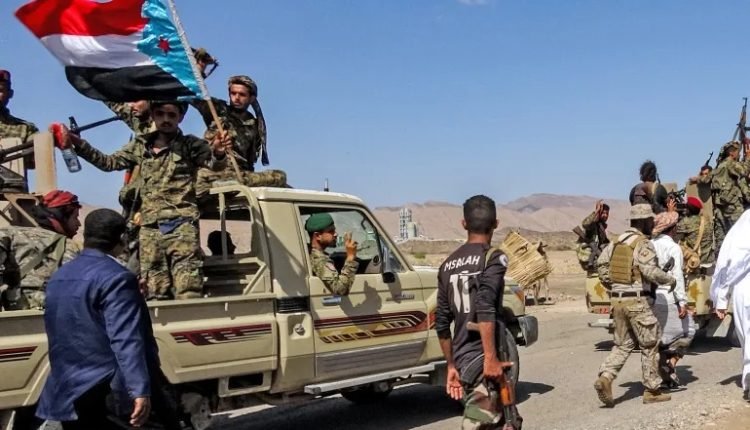
Yemen’s main southern separatist group, the Southern Transitional Council (STC), firmly rejected Saudi Arabia’s call on Friday. Saudi Arabia had urged the STC to pull its forces out of Hadramout and Mahra provinces. However, the STC stated that it would continue securing these eastern provinces. The group emphasized that its presence is essential to maintain order and stability in areas recently seized. This move marks a growing challenge to Saudi efforts to mediate between the southern separatists and Yemen’s internationally recognized government.
STC Claims Security Justification
The STC said its operations in Hadramout and Mahra are aimed at combating security threats. The group specifically mentioned cutting off supply routes to the Iran-aligned Houthi militants, who control northern Yemen. The STC argued that withdrawing now would create a security vacuum that could allow Houthi expansion. The statement highlighted that protecting civilians and maintaining control over key towns is a top priority. The group also posted on social media that its forces are operating to safeguard local communities and prevent militant attacks.
Saudi Arabia Calls for Calm
Saudi Arabia, a key regional actor, has repeatedly urged the STC to de-escalate tensions. On Thursday, Riyadh expressed hope that the Southern Transitional Council would withdraw its forces from the eastern provinces. The kingdom emphasized the importance of dialogue to restore peace in the south. Saudi officials stressed that ending the escalation is necessary to protect both the population and regional stability. The request came after the STC claimed broad control of southern Yemen and pushed the internationally recognized government out of its Aden headquarters.
UAE Supports Saudi Efforts
The United Arab Emirates (UAE) welcomed Saudi Arabia’s efforts to support security and stability in Yemen. The UAE is a key backer of the STC and maintains close ties with the group. However, Abu Dhabi also affirmed its commitment to peace initiatives and regional security. In a statement, the UAE Foreign Ministry said, “The UAE reaffirmed its steadfast commitment to supporting all endeavors aimed at strengthening stability and development in Yemen.” The statement reflects the UAE’s dual role as a supporter of the STC and a partner in broader diplomatic efforts.
Historical Context
Yemen has a long history of division and conflict. Until 1990, it was split into northern and southern states. A civil war has been ongoing since 2014, when the Houthis captured northern Yemen, including the capital, Sanaa. The Saudi-backed government was forced to flee south. The STC initially joined the Saudi-led Sunni alliance in 2015 to fight the Houthis. Later, the group sought self-rule in the south, turning against the government it once supported. This historical background explains the deep-rooted tensions between northern and southern factions in Yemen.
Strategic Importance
Hadramout and Mahra provinces are strategically important. They border Saudi Arabia and are located near a vital shipping route on the Red Sea. Controlling these areas allows groups to monitor trade routes and regional security. Both Saudi Arabia and the UAE view stability in these provinces as essential for regional peace. The STC’s continued presence gives it leverage in negotiations with Yemen’s government and regional powers. These provinces also have economic and logistical significance, making them key areas of interest for all parties.
The STC has shown no signs of withdrawing despite Saudi pressure. Riyadh continues diplomatic efforts to avoid further escalation. The UAE remains actively involved in supporting security and stability in southern Yemen. Analysts warn that the ongoing tension highlights the complexity of Yemen’s civil war. The conflict continues to involve multiple domestic and regional actors, each with strategic interests. With the STC determined to maintain control, the future of southern Yemen remains uncertain.
