

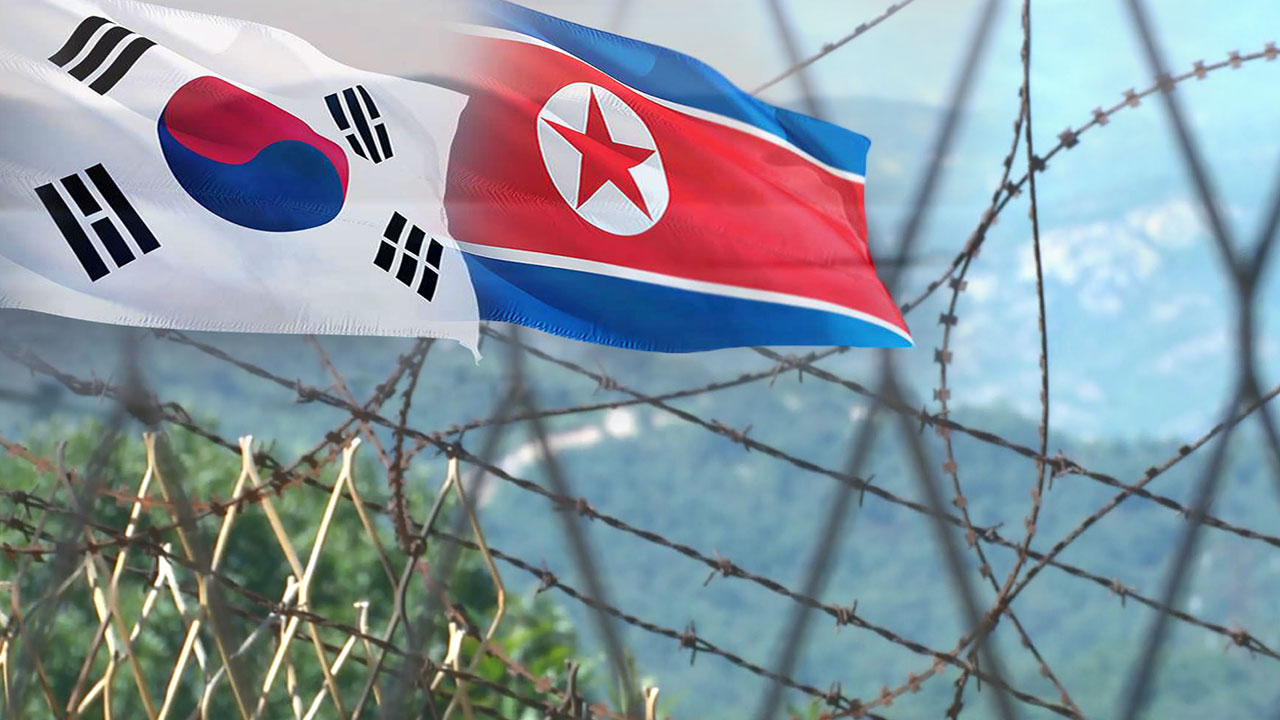

South Korea has declared its intention to partially suspend an inter-Korean agreement in response to North Korea’s claim of a successful launch of a military spy satellite into orbit. The State Council of South Korea approved this temporary measure, and officials in Seoul announced on Wednesday that front-line aerial surveillance of North Korea would be restarted.
South Korea’s Deputy Minister of National Defence Policy, Heo Tae-keun, characterized North Korea’s satellite launch as a clear violation of UN resolutions and a “grave provocation that threatens our national security.” He emphasized that, in collaboration with the solid military alliance with the US, South Korea would promptly and strongly respond if North Korea used the South Korean step as a pretext for another provocation.
The 2018 inter-Korean agreement established buffer and no-fly zones along the heavily fortified border and mandated the cessation of front-line aerial reconnaissance, live-firing exercises, and the removal of some guard posts and landmines at border areas.
South Korean and Japanese officials, the latter being the first to report the launch, expressed uncertainty about whether a satellite was successfully placed in orbit. North Korea previously informed Japan of its plan to launch a satellite between November 22 and December 1. The Pentagon stated that it was still assessing the success of the launch.
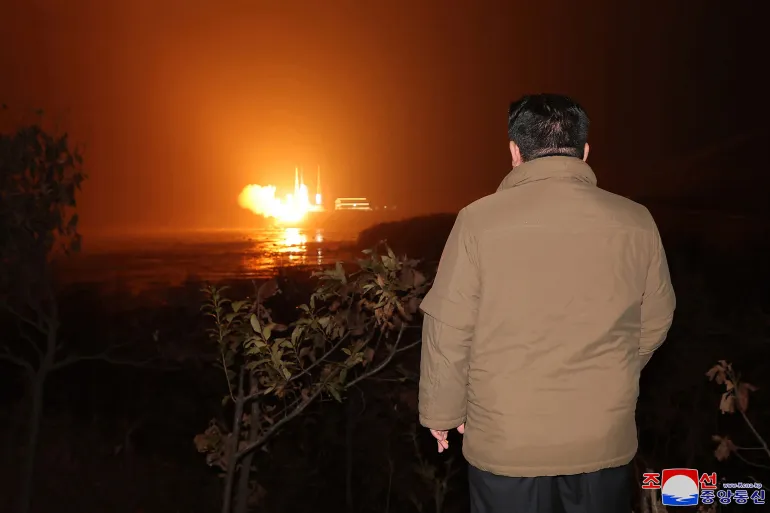
Following the satellite launch, North Korea released images of leader Kim Jong Un allegedly viewing photographs of key US military facilities taken by the satellite. Despite failed attempts earlier in the year, South Korean officials indicated that North Korea seemed prepared to try launching spy satellites again soon.
The South Korean reaction intensifies an already tense situation, as North Korea asserts its “sovereign right” to develop satellites for defense against the US and its allies. However, international observers view these satellite endeavors as covert attempts to advance nuclear-capable missile technology, subject to UN sanctions.
Japan, South Korea, and the United States conducted regular military drills to counter North Korea’s nuclear arsenal, and they strongly condemned the “brazen violation” of UN resolutions.
The US National Security Council expressed concern that the launch could raise tensions and destabilize the security situation in the region. China urged all parties to remain calm and restrained, emphasizing the need for a political settlement to ease tensions.
