

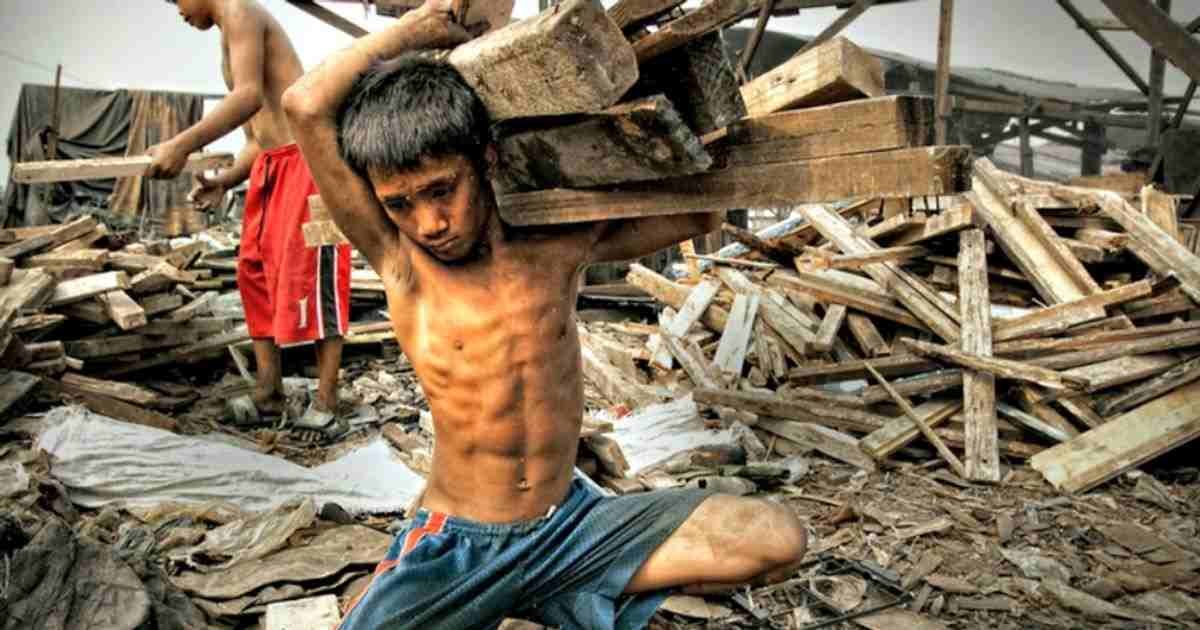

Child labour remains a serious socio-economic challenge in Pakistan, affecting children’s education, health, and future opportunities. Many children are forced into labour because of poverty, lack of access to schooling, unemployment, and social inequality. To secure a better future for the next generation, it is important to implement long-term and practical steps.
The solution of child labour in Pakistan requires joint efforts from the government, communities, employers, schools, and families.
Promoting Free and Quality Education
One of the strongest solutions is to provide free and high-quality education to every child. While basic education is already declared free, many families cannot afford uniforms, books, and transport. Increasing the number of government schools, offering school buses, and providing free textbooks and meals can motivate families to send their children to school instead of workplaces. Better educational facilities reduce the reasons behind child labour and create future employment options.
Raising Employment and Income Opportunities for Parents
Child labour is directly connected to poverty. Many parents send their children to work because their income is not enough to support the household. The government and private sector should focus on creating low-skilled job opportunities, skill training programs, and microfinance support for families. When parents are financially stable, they will not have to depend on their children’s income.
Strict Implementation of Labour Laws
Pakistan already has laws that restrict the employment of children under a certain age. However, the real issue is weak enforcement. There should be regular inspections of factories, workshops, brick kilns, and shops. Employers found violating laws must face heavy fines and penalties. Public awareness campaigns should also highlight that hiring children is a crime and has legal consequences.
Awareness and Community Support
Changing public attitudes plays an important role in the solution of child labour in Pakistan. Many families believe child work is normal or acceptable. Community-based awareness programs, social workers, religious scholars, and teachers should guide parents about the harmful impacts of child labour such as mental stress, physical injuries, and long-term poverty. Society should support children in education, rather than encouraging them to work at a young age.
Support Programs for Street Children
Special shelters, vocational training centers, and rehabilitation programs must be established for street children who have no families or stable homes. These children need protection, counseling, and an environment where they can learn skills and build confidence.
Conclusion
The solution of child labour in Pakistan is not limited to one step. It needs combined action: accessible education, financial stability for families, strong law enforcement, and widespread awareness. When the nation invests in its children, it secures a brighter, stronger, and more prosperous future.
FAQs
Q1: Why does child labour exist in Pakistan?
Child labour exists mainly because of poverty, lack of education, unemployment, and weak enforcement of labour laws.
Q2: How can education reduce child labour?
Education provides children with skills and opportunities for better jobs in the future, reducing the need for them to work at a young age.
Q3: What role can the government play?
The government can strictly enforce laws, increase school facilities, launch awareness campaigns, and support families financially.
Q4: How can society contribute?
Society can discourage child hiring, support schooling, and spread awareness about the harmful effects of child labour.
